Last updated: June 2026 — logistics and prices verified June 2026.
Jebel Akhdar means “Green Mountain” in Arabic. It earns the name — but only at certain times of year, and only if you know where to look.
Most of Oman sits at or near sea level, baking in temperatures that hit 45C in July. The Saiq Plateau — the main destination on Jebel Akhdar — averages around 25C year-round. On a July afternoon in Muscat, that 20-degree difference is not a selling point. It is the entire reason to go.
This guide covers how to get there, what the checkpoint situation actually involves, the trails, the rose terraces, where to sleep, and — importantly — what the mountain looks like in December versus April. Because the difference is significant, and most guides do not bother to explain it.
What Jebel Akhdar Actually Is (Because the Photos Can Mislead You)
Jebel Akhdar is not a wadi. There is no swimming, no gorge walk, no cave with a waterfall inside it. If you are coming from Wadi Shab expecting the same format, recalibrate.
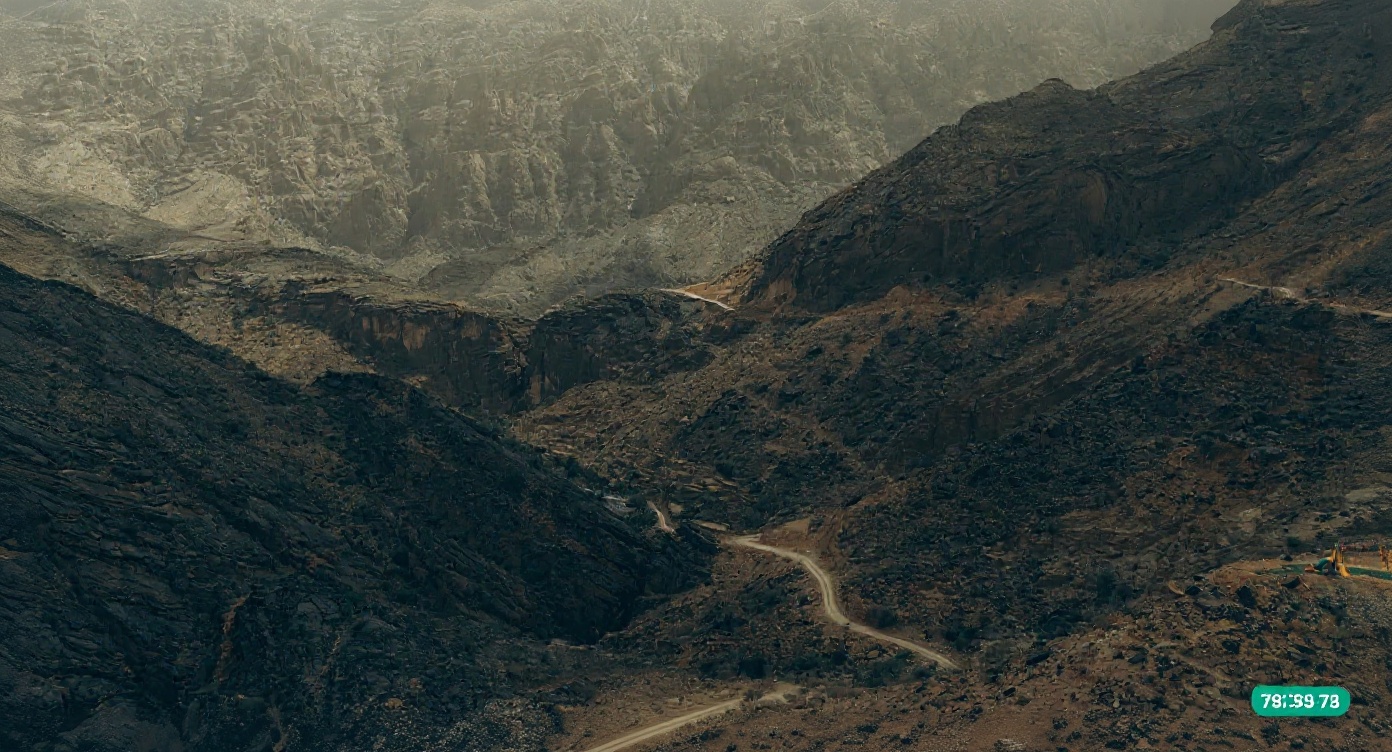
What it is: a high-altitude mountain plateau with terraced gardens, abandoned mudbrick villages, spectacular canyon views, hiking trails (poorly marked — more on this), and — for a specific six-week window in spring — one of the more extraordinary agricultural landscapes you will see anywhere in the Middle East.
The Al Hajar Mountains run across northern Oman, and Jebel Akhdar sits at the western end. The Saiq Plateau is the main habitable area — a series of ancient villages and terraced farms perched above canyons that drop several hundred metres on both sides.
The Damask roses grown here are the same variety used to produce rose oil and rosewater. Oman has been growing them at altitude for centuries. During harvest season, the air on the plateau smells faintly of the distillation process — warm, slightly medicinal, persistent. It is not subtle.
Jebel Akhdar is a high-altitude mountain plateau (2,000m) in Oman’s Al Hajar Mountains, known for cool temperatures, rose terraces, canyon views, and hiking. A 4WD is required — enforced at a police checkpoint. Best visited April to mid-May for the rose harvest, or February to March for green scenery.
Getting to Jebel Akhdar: The Checkpoint Everyone Asks About
The checkpoint is real, it is staffed, and it will turn you around if you arrive in the wrong vehicle. This is not a suggestion. Bring a 4WD.
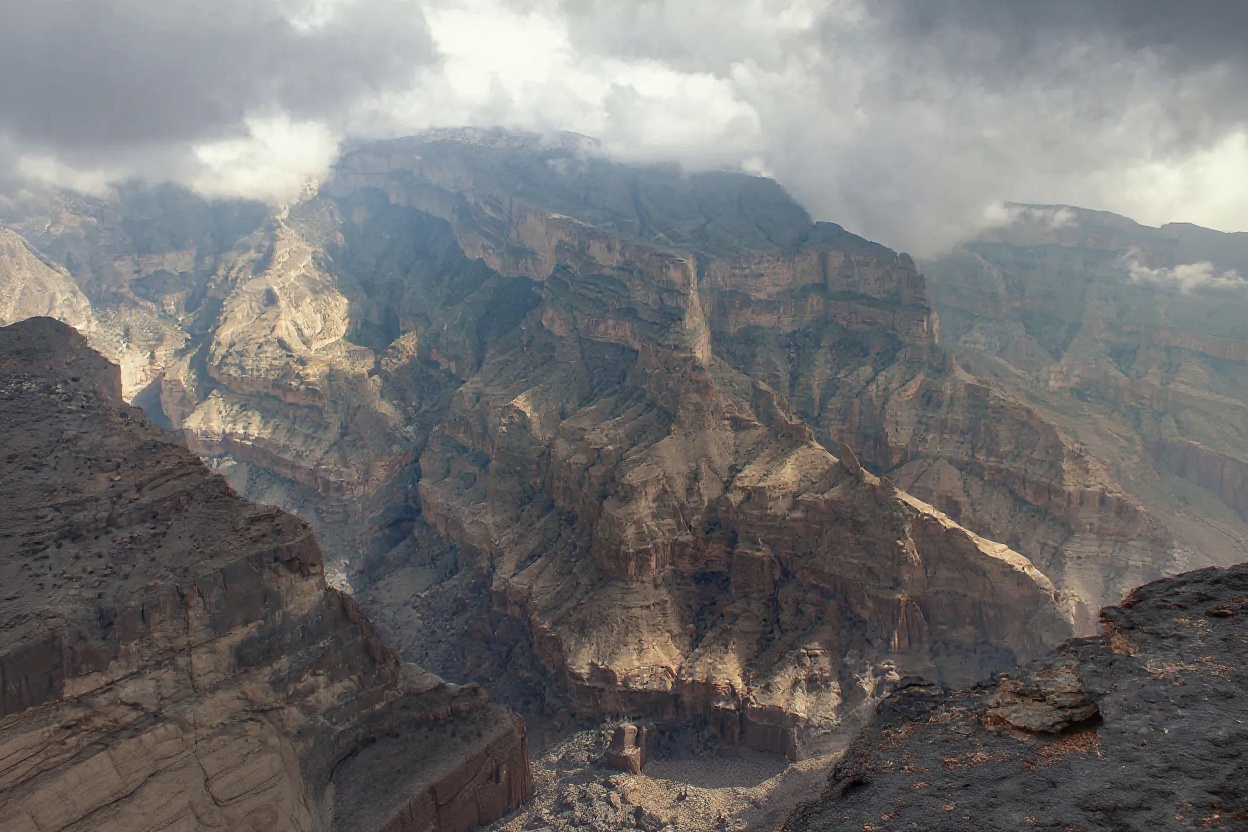
From Muscat, the route is straightforward: take Route 15 south towards Nizwa, then follow signs for Jebel Akhdar. The total distance is approximately 155km. Allow 2 hours 15 minutes from central Muscat to the checkpoint — more if you stop in Nizwa, which is worth 2-3 hours if you have not been.
The checkpoint sits at around 1,200 metres. Officers check your passport, verify the vehicle is a 4WD, and wave you through. Have your passport and hire car documents on the seat. The process takes about two minutes when you are organised.
Hire car note: When renting a 4WD specifically for Jebel Akhdar, confirm it is a genuine 4WD — not a crossover that is actually 2WD. Some rental companies at the cheaper end will rent you a Honda CR-V or Nissan X-Trail and describe it as an SUV. The checkpoint officer will check. A colleague I drove up with once had a CR-V (2WD configuration) booked as a “4WD”. We waited 45 minutes at the base while he sorted a replacement vehicle by phone. Book from a reputable company and confirm 4WD before driving out of the lot.
The road from the checkpoint to the Saiq Plateau is fully paved. Steep and winding — serious gradients and switchbacks — but no off-road driving. The 4WD requirement is about engine power and braking, not terrain.
Petrol in Oman is 0.170 OMR per litre (about 35p / 44 cents). The return trip from Muscat to Jebel Akhdar in a 4WD costs around 4-6 OMR in fuel. The road trip economics in Oman are genuinely good.
If you do not have a car or do not want to drive, tours run from both Muscat and Nizwa. A full-day tour from Muscat costs roughly 35-50 OMR per person (~GBP72-102). From Nizwa, local drivers offer 4-hour trips for around 35-40 OMR for the vehicle.
When to Go: Rose Season, Pomegranates, and the December Disappointment
Jebel Akhdar has a season problem that most guides underplay: if you go at the wrong time of year, you will find a dry, rocky plateau with unremarkable views, a pleasant temperature, and not much to specifically justify the detour.
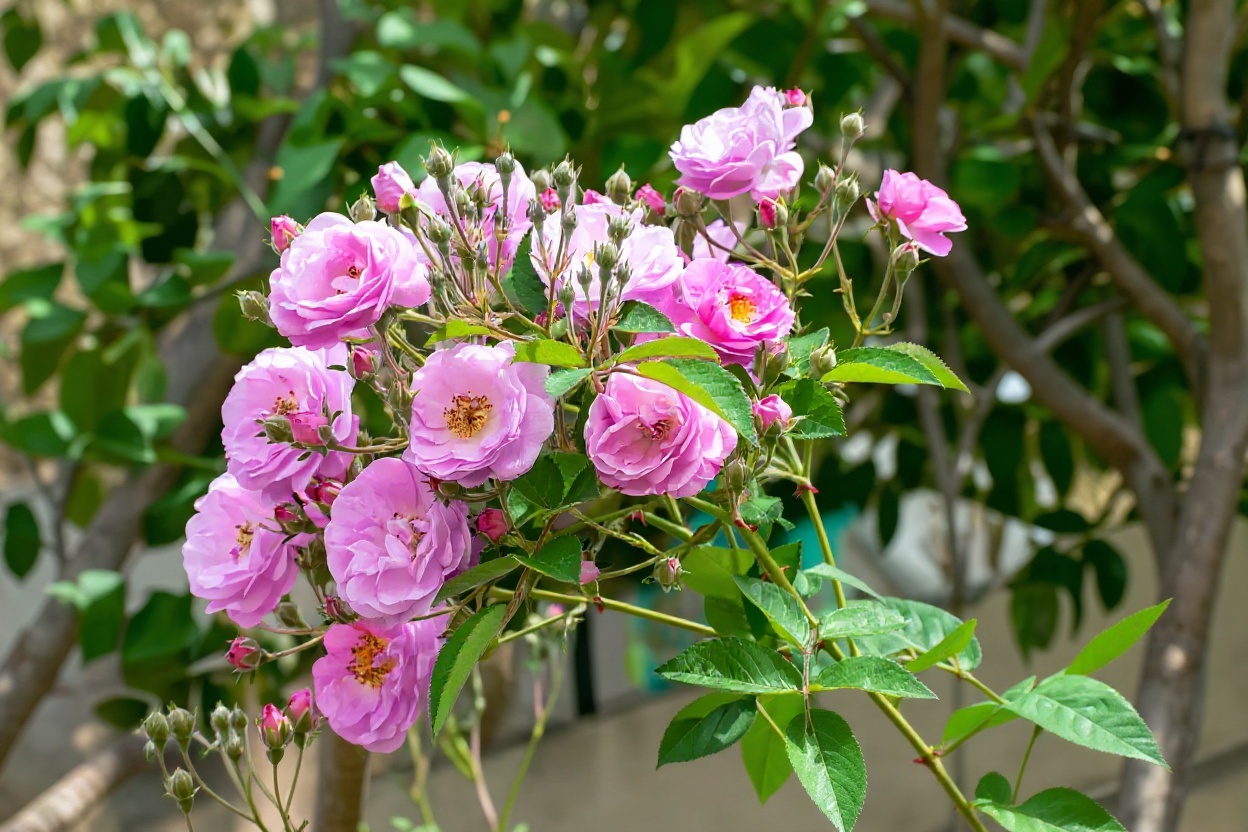
April to mid-May — rose harvest. The Damask roses bloom across the terraced fields. The harvest typically runs from early April to around the 15th of May. During this window, local families pick roses in the early morning — if you are on the plateau by 7am, you will see the picking in progress. The rosewater distillery at Al Ayn village runs demonstrations. This is the reason to specifically plan a trip to Jebel Akhdar.
February to March — green terraces, mild weather. The plateau is at its greenest in late winter and early spring. The pomegranate trees are leafed out, the terraces are tended, and the daytime temperature sits around 18-22C. No rose harvest, but the landscape looks like the photographs.
August to October — pomegranate harvest. Mid-August through October brings the pomegranate crop. Still around 25-28C on the plateau versus 45C in Muscat. Fewer tourists than rose season.
November to January — cool, dry, and often underwhelming. A December visit produces a dry, rocky plateau with good canyon views and dormant terraces. The temperature drops to around 10-15C at night in January. Go in winter for the hiking and stargazing, not the landscape.
The “Green Mountain” photographs that sent you here were almost certainly taken in April or May. In November, the same terraces are mostly brown. Neither version is dishonest — it is a seasonally working agricultural landscape. Go at the right time.
What to Do in Jebel Akhdar
There are four things worth doing on the plateau. One requires booking ahead; one requires an app downloaded before you leave Muscat.
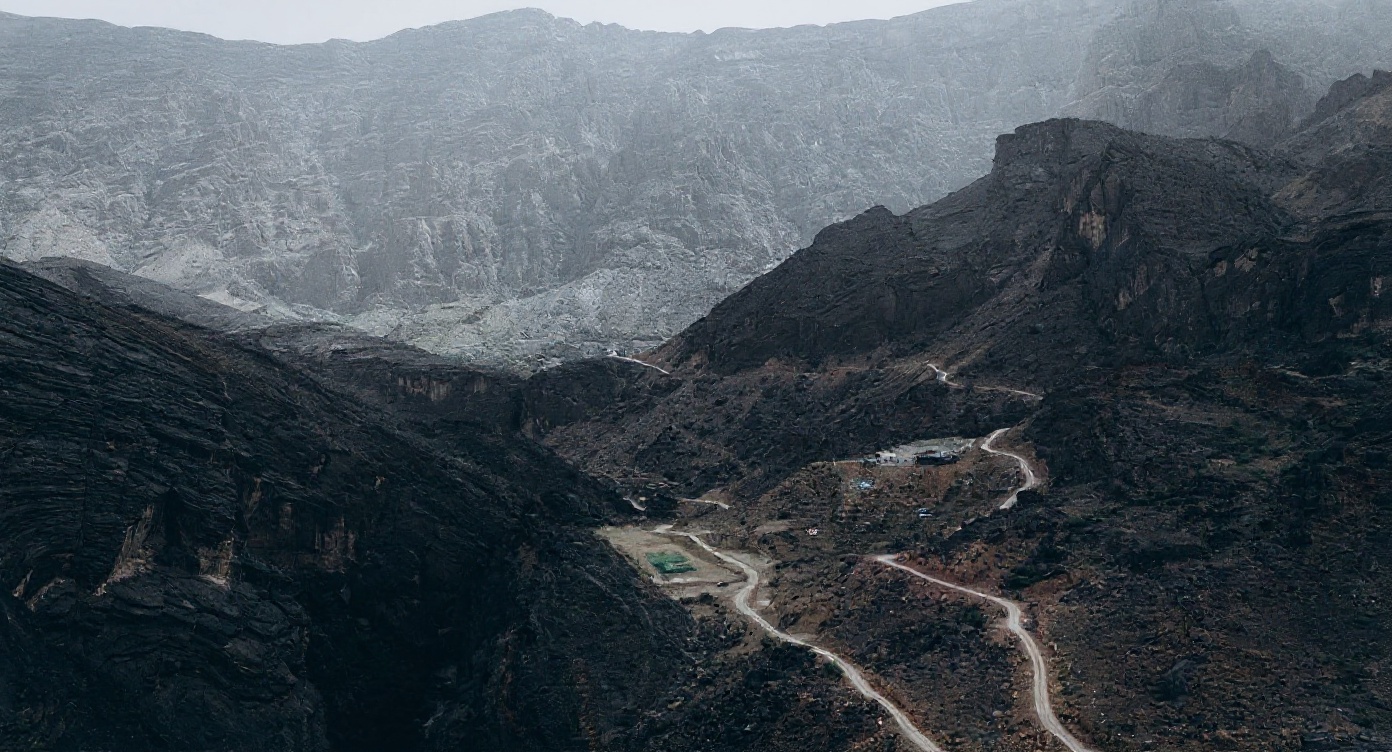
Diana Point (Al Manfa Viewpoint)
Diana Point — named after Princess Diana’s 1986 visit to Oman — sits at the plateau edge above a canyon that drops roughly 1,000 metres to the valley floor. Coordinates: 22.8561 N, 57.6443 E. From the car park, it is a short walk to the edge. Morning is better than afternoon — the canyon fills with haze by midday.
The Three Village Walk
The walk connects three ancient villages — Ash Shirayjah, Al Ayn, and Al Aqr — on a path that cuts across the terraces and through the rose fields. Around 6km return, 2-3 hours at a relaxed pace.
Critical detail: the trail is not properly signed. Download the Jebel Akhdar trails on Wikiloc before you leave Muscat — not at the top, where mobile data is unreliable. Without it, you will spend time retracing steps over loose limestone that is not the trail. Wadi hiking here means scrambling, not walking — proper shoes, not sandals.
Via Ferrata
An assisted climbing route runs along the canyon face near the Alila hotel. A proper via ferrata — fixed anchors, steel cables, exposed sections. The route takes roughly 3 hours and costs around 25 OMR per person (~GBP51 / $65). Book in advance through the Alila or via GetYourGuide.
Rosewater Distillery
During rose season, the Al Ayn distillery runs open sessions. Rose petals, water, heat, condensation. The smell inside the distillery is intense — concentrated in a way that stays with you for the drive down. Small bottles of rosewater sell for 2-4 OMR (~GBP4-8).
Stargazing
At 2,000 metres with minimal light pollution, the Saiq Plateau has exceptional night skies. Several camps and lodges offer organised sessions. In January, overnight temperatures drop to 10C; in April it is comfortable camping weather.
Where to Stay in Jebel Akhdar
The accommodation range runs from a world-class canyon-edge resort to a 500-year-old village guesthouse. Both have their logic.
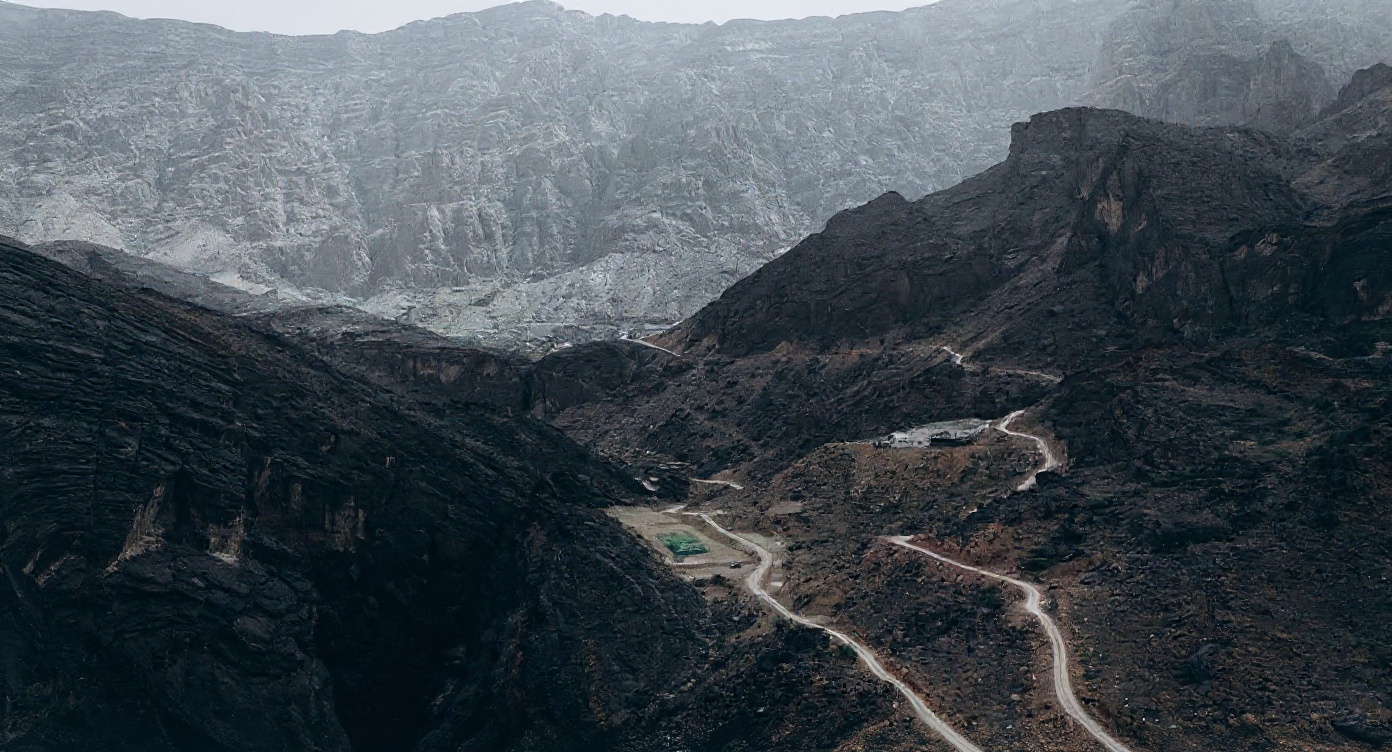
Alila Jabal Akhdar — the splurge
The Alila sits at the canyon edge. Rooms start around 150 OMR per night (~GBP308 / $390) and go considerably higher. The location is exceptional. Worth being clear about: the same canyon view is free from Diana Point. If luxury hotels are not your thing, the Alila is not the reason to come.
If you can stretch to one night at the Alila during rose season — specifically a canyon-view room booked 6 weeks ahead — do it. Waking up above the valley while rose harvest happens on the terraces below is one of the better Oman experiences available. Not cheap. Worth it once.
Hotel Indigo Jabal Akhdar — mid-range
Opened late 2024. Roughly 80-130 OMR per night (~GBP164-267). Design-led, canyon views, smaller pool. A reasonable alternative when the Alila is full or out of budget.
The Suwgra — the character option
A 500-year-old village on the plateau, now operating as a small guesthouse. Rooms are simple but you are sleeping in a building constructed four centuries before there was a road up the mountain. Rates around 25-40 OMR per night (~GBP51-82). Book directly.
Camping
A designated camping area on the plateau offers canyon-edge pitches. Several spots marked on Google Maps near 22.8608 N, 57.6572 E. Free or near-free. Bring everything — no shop above the checkpoint. Overnight temperatures drop to 10C in January; April is comfortable camping weather.
What It Actually Costs: Jebel Akhdar Budget
The main expense is the 4WD rental. A day trip from Muscat for two people sharing a hire car sits comfortably under 70 OMR (~GBP144 / $182) including fuel.
The resort restaurants on the plateau are priced for people paying 150 OMR a night. Pack a lunch and a flask if you are doing a day trip. There is no shop above the checkpoint.
What I Got Wrong the First Time
I drove to Jebel Akhdar with a colleague visiting from Edinburgh in early December. He had seen the photographs — the rose terraces, the canyon, the green plateau — and it was top of his Oman list. I had not been in December before.
The terraces in December are dormant. The pomegranates are finished. The roses will not bloom until April. What we found was a brown, rocky plateau with good canyon views, a fine temperature, and two slightly deflated people eating sandwiches at Diana Point.
The next time I went was late April. The rose harvest was three days from peak. The distillery at Al Ayn was running full tilt. The air on the plateau smelled of rose steam from 500 metres away. The difference was dramatic enough that I would almost describe them as different places.
Go in April. Or February. Not December unless the hiking is specifically what you are after.
The rose harvest timing shifts by around two weeks year to year depending on winter rainfall. Check with a Nizwa guesthouse or the Alila in late March — local contacts track the bloom. Arriving one week late means the fields are stripped and the distillery is closed for the season.
Jebel Akhdar vs Jebel Shams: The Honest Comparison
Go to Jebel Akhdar for the rose season, the village walks, the via ferrata, or a luxury hotel stay. The landscape is intimate — terraced villages, working farms, cultivated in a way that feels lived-in.
Go to Jebel Shams for dramatic scale. Oman’s highest peak at 3,009m, with a canyon known locally as the Grand Canyon of Arabia. Wider, deeper, more savage. Facilities are more basic; there is no Alila.
On a trip of a week or more, do both — a combined Nizwa / Jebel Akhdar / Jebel Shams road trip takes 2-3 nights and covers the best of inland Oman. For the full Muscat-based context, the Muscat travel guide covers car hire, neighbourhoods, and practical logistics.
Practical Notes Before You Drive Up
Checkpoint documents: passport and hire car agreement on the seat, not buried in a bag. The process is quick when you are organised.
Mobile signal: unreliable above the checkpoint. Download Wikiloc trail maps and the Google Maps offline area before leaving Muscat.
Nizwa combination: Nizwa Fort and souq are 35km and 40 minutes from the Jebel Akhdar turnoff. Do Nizwa in the morning — the fort and souq take 2-3 hours — then drive up to Jebel Akhdar for the afternoon and overnight. This is the efficient routing.
On safety: Oman is consistently rated one of the safest countries in the world for visitors by the UK Foreign Office. The mountain road demands a capable vehicle but the destination itself is not hazardous. Solo travellers, including solo women, report no issues on the plateau. The checkpoint officers are professional and courteous; the whole process is straightforward as long as you have the right vehicle and your documents organised.
For overall Oman trip costs and car hire practicalities, the Oman budget per day guide covers what self-drive travel actually costs in 2026.
FAQ: Jebel Akhdar, Oman
- Do you need a 4WD for Jebel Akhdar?
- Yes, and it is enforced at a police checkpoint on the road to the Saiq Plateau. Regular cars and 2WD vehicles are turned away. The road is paved throughout, but the gradient demands 4WD for both ascent and descent. Rent a genuine 4WD — not a crossover marketed as an SUV — and confirm the 4WD configuration before driving out of the rental lot.
- How far is Jebel Akhdar from Muscat?
- Approximately 155km, via Route 15 south towards Nizwa. Allow 2 hours 15 minutes from central Muscat to the checkpoint, and a further 30-40 minutes to the Saiq Plateau. Total drive time around 3 hours. The road is well maintained throughout.
- When is the best time to visit Jebel Akhdar?
- April to mid-May for the Damask rose harvest — the specific reason to visit Jebel Akhdar over any other Oman destination. February and March for green terraces and comfortable hiking. August to October for the pomegranate harvest. December and January are fine for hiking but the landscape is dry and dormant — the photographs that brought you here were not taken in December.
- What is there to do in Jebel Akhdar?
- The Three Village Walk (6km, 2-3 hours, requires Wikiloc downloaded offline), Diana Point viewpoint, the via ferrata (3 hours, ~25 OMR/person), the rosewater distillery at Al Ayn in rose season, and stargazing. In rose season, watching the morning harvest is itself worth the drive. A day trip covers the main viewpoints; two nights is comfortable if you want to hike properly.
- Is Jebel Akhdar worth visiting?
- Yes, in April or February. The canyon views, the terraced village landscape, and the rose season make it one of the more distinctive experiences in Oman. In December or November, it is pleasant but not compelling enough to build your trip around. The 4WD requirement and drive time mean timing matters considerably.
- Where to stay in Jebel Akhdar on a budget?
- The Suwgra — a 500-year-old converted village guesthouse — runs around 25-40 OMR per night (~GBP51-82). Camping in the designated plateau area is free or near-free but bring everything including food, water, and cold-weather gear. The Alila starts around 150 OMR/night; the Hotel Indigo is slightly more accessible at 80-130 OMR.
- Can you do Jebel Akhdar as a day trip from Muscat?
- Yes. The return drive is around 5-6 hours total, leaving 4-5 hours on the plateau — enough for Diana Point, one of the village walks, and the distillery in rose season. Leave Muscat by 7am. Combine with Nizwa (35km from the Jebel Akhdar turnoff) for a solid full day.
The Bottom Line
Jebel Akhdar is worth the 4WD rental and the three-hour drive from Muscat. The caveat is the same one that applies to any agricultural landscape: timing matters enormously.
In April, with the rose harvest running and the terraces in bloom, the plateau is one of the better experiences in Oman — distinctive, calm, and specific to this country in a way that the wadis, for all their drama, are not. The smell of the distillery, the early morning light on the canyon, the peculiar satisfaction of being cold in Oman. It is worth timing your trip around.
Fill the tank before Nizwa. The petrol maths in Oman are, as always, very good.
One last practical note: if you’re combining Jebel Akhdar with the rest of the Oman interior circuit — Nizwa, Bahla Fort, Jabrin Castle — the logical route is to visit the forts first (they’re earlier in the morning before the heat builds) and drive up the mountain in the afternoon. The late afternoon light on the Jebel Akhdar canyon is better than the midday light, and the temperature on the plateau at 4pm is significantly cooler than at noon. Arrive late afternoon, stay overnight if you’re sleeping on the mountain, watch the sunrise, and descend before the heat builds below the checkpoint. That’s the version of Jebel Akhdar that earns the drive.