Last updated: June 2026 — prices and logistics verified June 2026.
Most Oman guides are written by people who spent two days in Muscat on their way to Wahiba Sands. You can tell — they cover the Grand Mosque, mention the Corniche, and move on. I’ve been living here three years. Here’s what the two-day pass-through misses.
How Many Days Do You Need in Muscat?
Two full days is the realistic minimum. Three if you’re adding a day trip. One day is a highlight reel — you’ll see the Grand Mosque and the Corniche and leave having seen the surface of Muscat without understanding it.
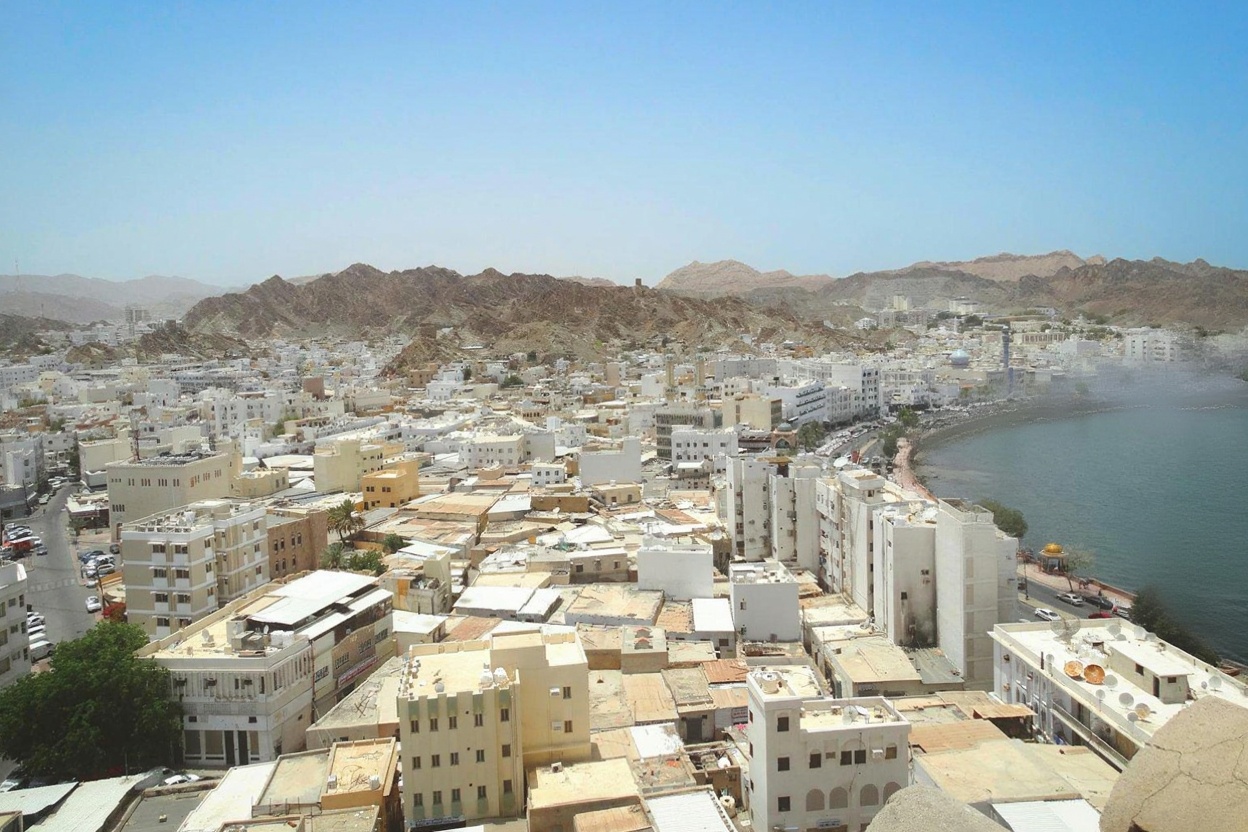
The thing to understand about Muscat’s geography: the city is not compact in the way Marrakech or Tbilisi is compact. The major attractions — Grand Mosque in the northwest, Muttrah Corniche and Souq in the centre, the old forts above the bay, Qurum Beach further east — are 10–25km apart. In summer heat (May–September, often 38–42°C by 10am), walking is not a realistic option. You need a car.
Day 1: Grand Mosque (morning) → Bait Al Zubair Museum → Muttrah Corniche and Souq (late afternoon into evening when it cools).
Day 2: Al Jalali and Al Mirani forts → Mutrah fish market in the morning → Royal Opera House if there’s a performance → Qurum Beach for the evening.
Day 3 (optional): Full day to Wadi Bani Khalid (200km round trip, good road, regular car fine) or Daymaniyat Islands snorkelling.
Getting Around Muscat: Rent a Car, Full Stop
Right. This is the most important practical section of this guide.
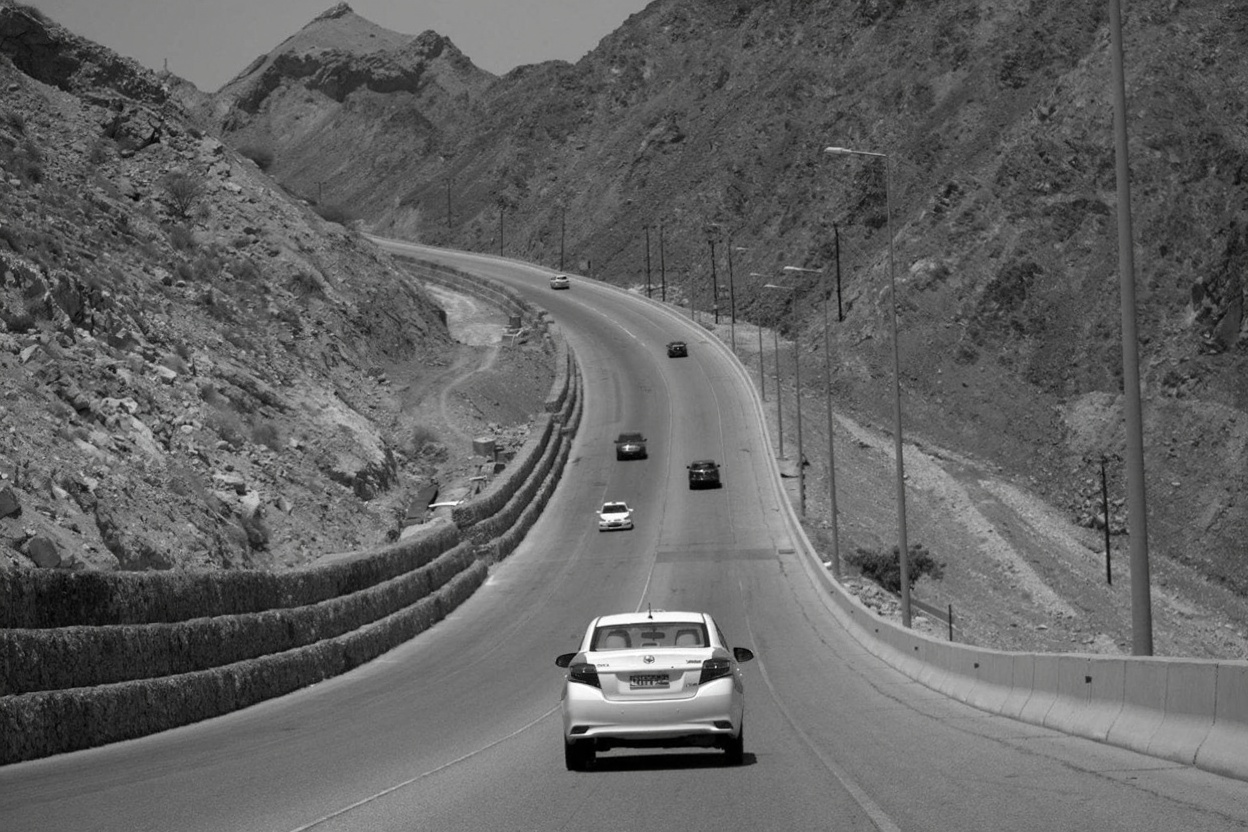
Public transport in Muscat exists in the sense that buses exist. It does not exist in the sense that tourists can use it to get between attractions without spending most of the day working out logistics. There is no metro. Taxis are available but expensive relative to local costs and not always metered honestly.
Rent a car. The road network in Muscat is genuinely excellent — wide, well-signposted in English, and empty by Gulf city standards. A small SUV or saloon rental costs around 10–15 OMR/day (~£21–31 / ~$26–39) from the airport or central Muscat. Petrol in Oman costs 0.170 OMR/litre (~£0.35/litre) — the road trip economics are exceptional.
International driving licence is technically required but rarely checked. Most European and British licences are accepted in practice. Book rental from home for the best rates; airport walk-ups are 20–30% more expensive.
ℹKnow Before You Go
Muscat Airport (MCT) is about 35km west of the city centre. The airport bus to Ruwi (the main commercial district) costs 500 baisas (~£1 / ~$1.30) but runs infrequently and doesn’t connect to the tourist areas easily. If you’ve rented a car, pick it up at the airport. If you haven’t, budget OMR 8–12 (~£16–25) for a taxi to your hotel.
Sultan Qaboos Grand Mosque: The Best Thing in Muscat
Free entry. Genuinely extraordinary building. Visit in the morning before 10am when it’s cooler and the light inside the main prayer hall is at its best.
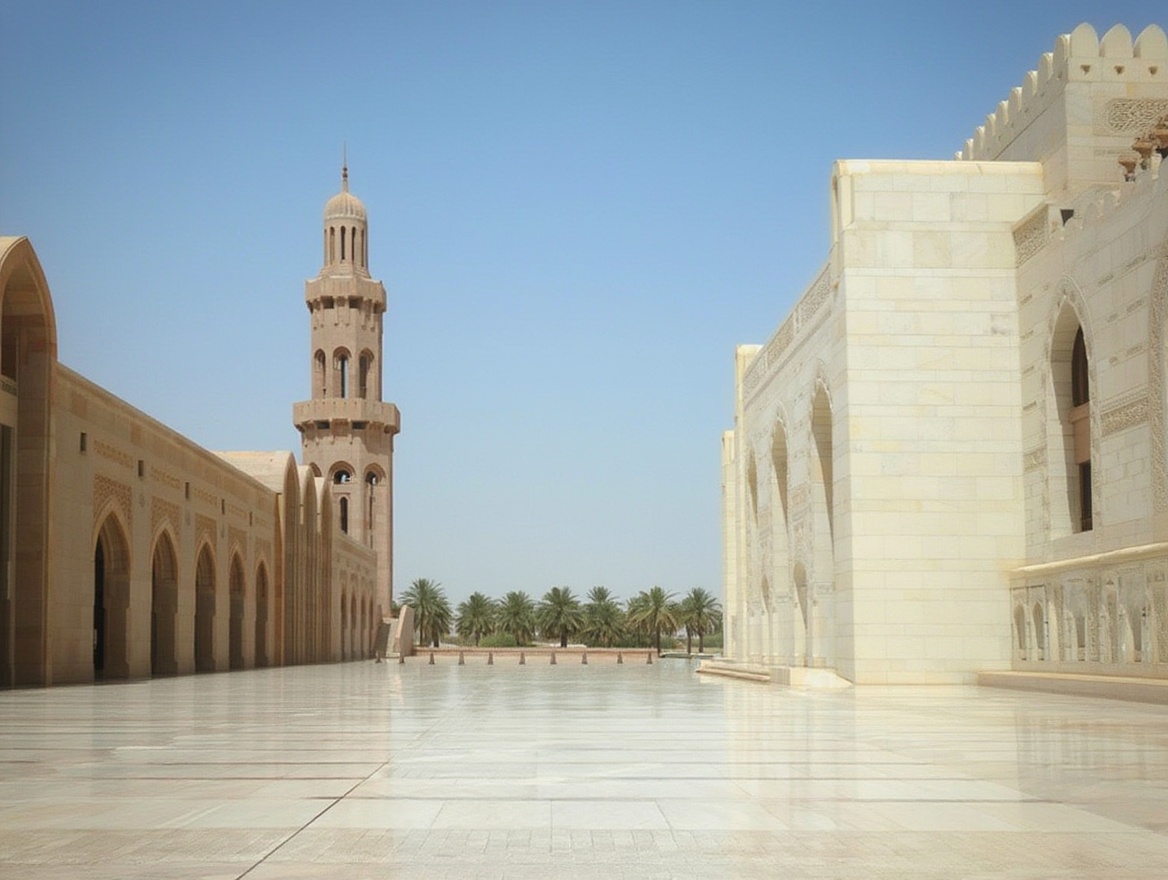
The mosque opened in 2001 and took six years to build. The main prayer hall has a chandelier that weighs 8 tonnes and an Iranian hand-loomed carpet — 4,343 square metres, one of the largest in the world — that took four years and 600 weavers to complete. You’ll want to see both up close.
Dress code is strict: shoulders and knees covered for everyone, women require a headscarf inside the main hall. Abayas are available to borrow at the entrance if you haven’t brought one — there’s no charge. Shoes come off at the carpet.
Location: Al Ghubra, about 20km west of Muttrah. Open Saturday to Thursday, 8am–11am for non-Muslim visitors. Closed to non-Muslims on Fridays. Free entry. GPS: 23.5879° N, 58.4049° E.
Allow 45 minutes to an hour. The organised tours (usually groups arriving by the busload from 10am onwards) make it significantly less peaceful, so go early.
•DANIEL’S PICK
Arrive at 8am when the gates open. The main prayer hall at 8:15am, before the first tour groups arrive, is the closest to genuine quiet you’ll find in a major Muscat attraction. The marble courtyard in the early light is worth setting an alarm for.
Muttrah Corniche and Souq
The Muttrah Corniche is a 1.5km waterfront promenade along the old port — wooden dhows moored against the quay, the Hajar Mountains rising behind the city, fish restaurants along the front. It’s the most photogenic part of Muscat and the most naturally cooling in the evening when the sea breeze comes in off the Gulf of Oman.
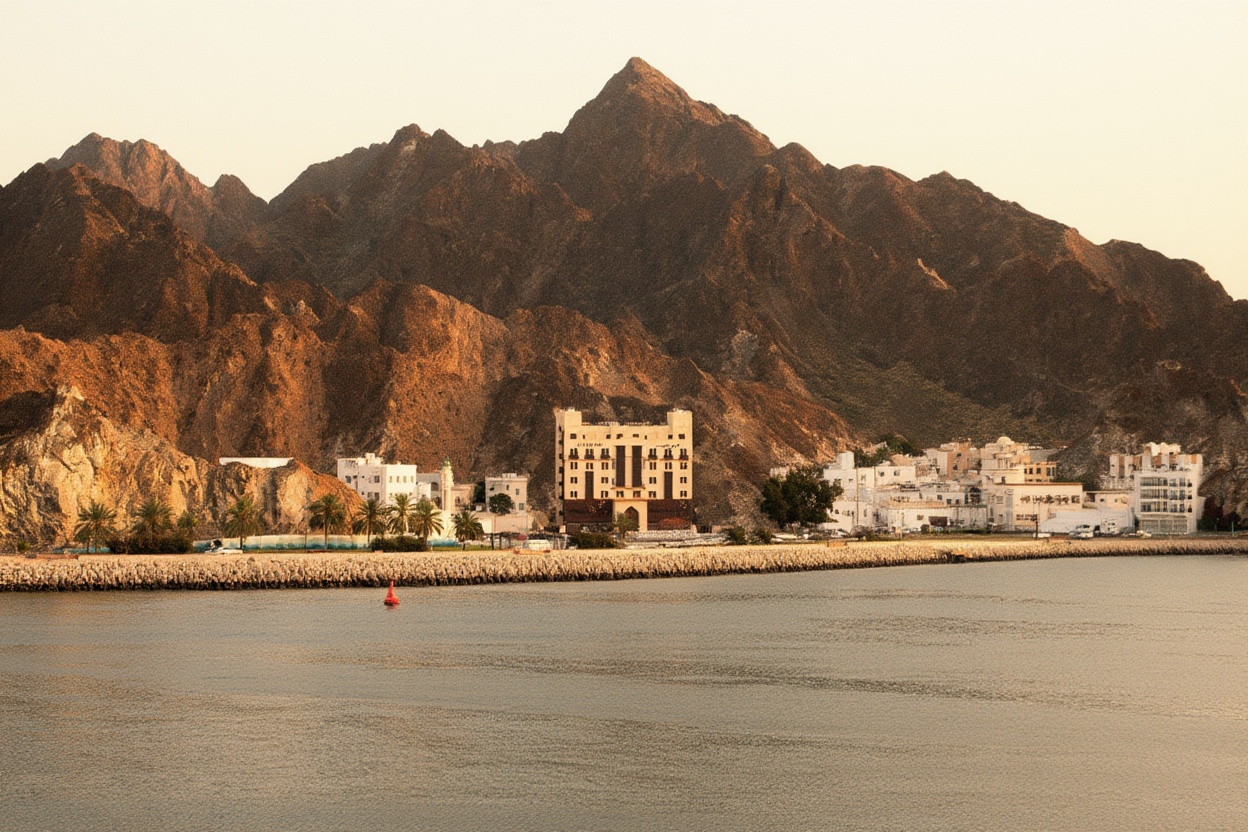
Go in the late afternoon, around 4–5pm, when the temperature has dropped from its midday peak and the light on the mountains is good. The Corniche takes about 30–40 minutes to walk end to end. The fish restaurants along the front are honest and not tourist-priced — a grilled hammour (local grouper) with rice and salad costs around 2–3 OMR (~£4–6 / ~$5–8) at the working-man’s places set back from the waterfront.
The Muttrah Souq (say: SOOK) opens from the Corniche — a covered market selling frankincense, silver jewellery, Omani daggers (khanjar), spices, and textiles. The frankincense smell alone — resinous, warm, faintly medicinal — hits you before you’re through the gate. The souq is worth an hour of wandering even if you’re not buying anything. Prices are negotiable, but not aggressively so — a polite counter-offer is fine; haggling for the sake of it over a few hundred baisas is unnecessary.
GPS for Muttrah Corniche: 23.6191° N, 58.5897° E.
Mutrah Fort and the Old Forts
Muscat has three visible forts from the bay — Mutrah Fort (above the Corniche, walkable from the souq), Al Jalali, and Al Mirani (the twin Portuguese forts guarding the harbour entrance). Al Jalali and Al Mirani are visible from the harbour but not currently open to the public. Mutrah Fort is open.
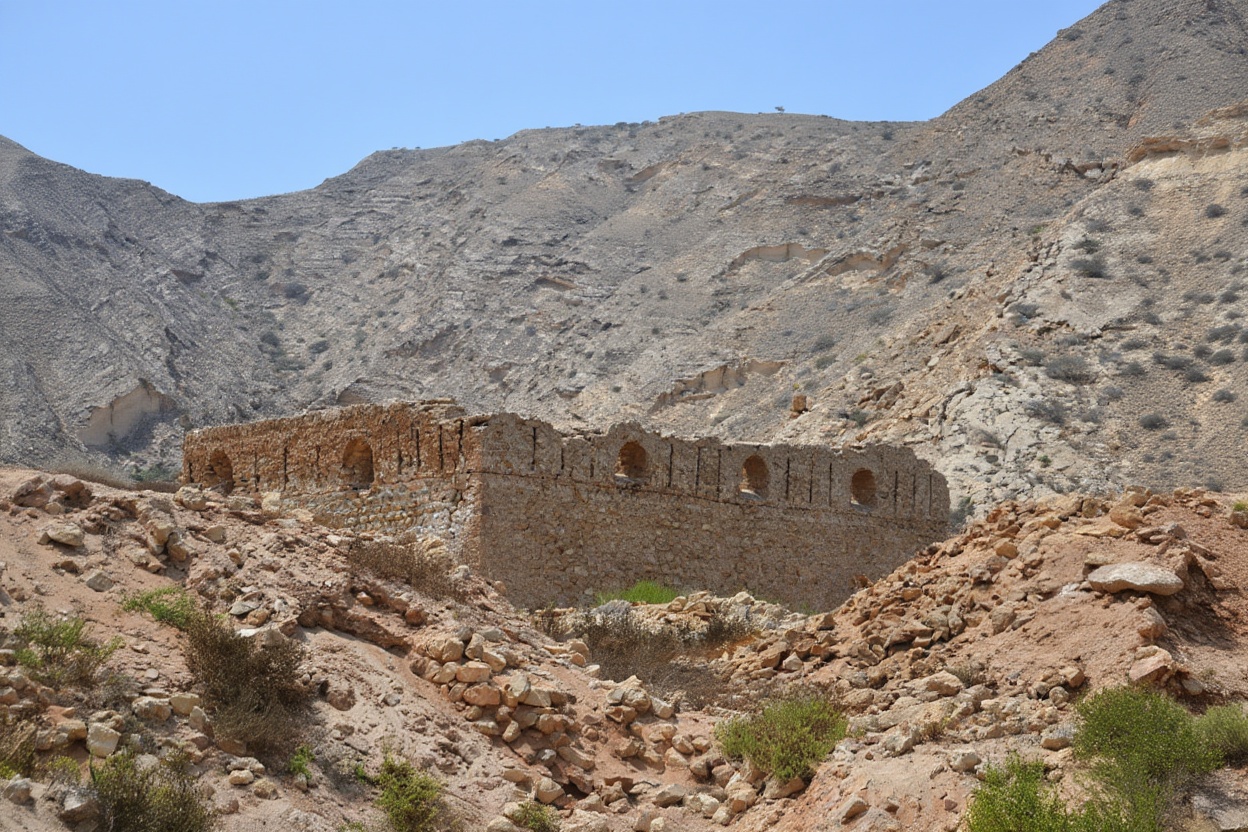
Mutrah Fort: entry is 0.500 OMR (~£1 / ~$1.30). Worth the climb for the views over the bay and the Corniche below. The interior is modest — it’s the location and the views that earn the entry fee, not the exhibits. Takes about 30 minutes. Open Saturday–Thursday, 9am–4pm.
Bait Al Zubair Museum
The best museum in Muscat. A private collection of Omani heritage — weapons, jewellery, textiles, household items, and documentation of traditional Omani life before oil money changed everything. The building itself is a restored traditional house in the old diplomatic quarter.
Entry: 2 OMR (~£4.10 / ~$5.20). Open Saturday–Thursday, 9:30am–6pm. Budget 1–1.5 hours. More personal and more interesting than the larger National Museum, which covers similar territory with less character.
Location: Al Saidiya Street, near the old diplomatic quarter. About 5 minutes drive from Muttrah.
Royal Opera House Muscat
Worth knowing about, not necessarily worth planning around. The Royal Opera House Muscat hosts international opera, ballet, and classical music — it’s a genuinely world-class venue that happens to be in Muscat. If your trip overlaps with a performance, book tickets. If it doesn’t, the exterior architecture is worth a look from the road (you can’t go inside without a ticket or a guided tour).
Check the Royal Opera House Muscat schedule before your trip — performances cluster between October and May (the season avoids summer heat). Tickets: 8–25 OMR (~£16–51 / ~$21–65) depending on the performance and seat tier.
Beaches and Swimming in Muscat
Muscat has good beaches — cleaner than most of the Gulf, with the Hajar Mountains as a backdrop. The water is warm enough to swim year-round, though summer (May–September) makes beach time a morning-or-evening-only activity.
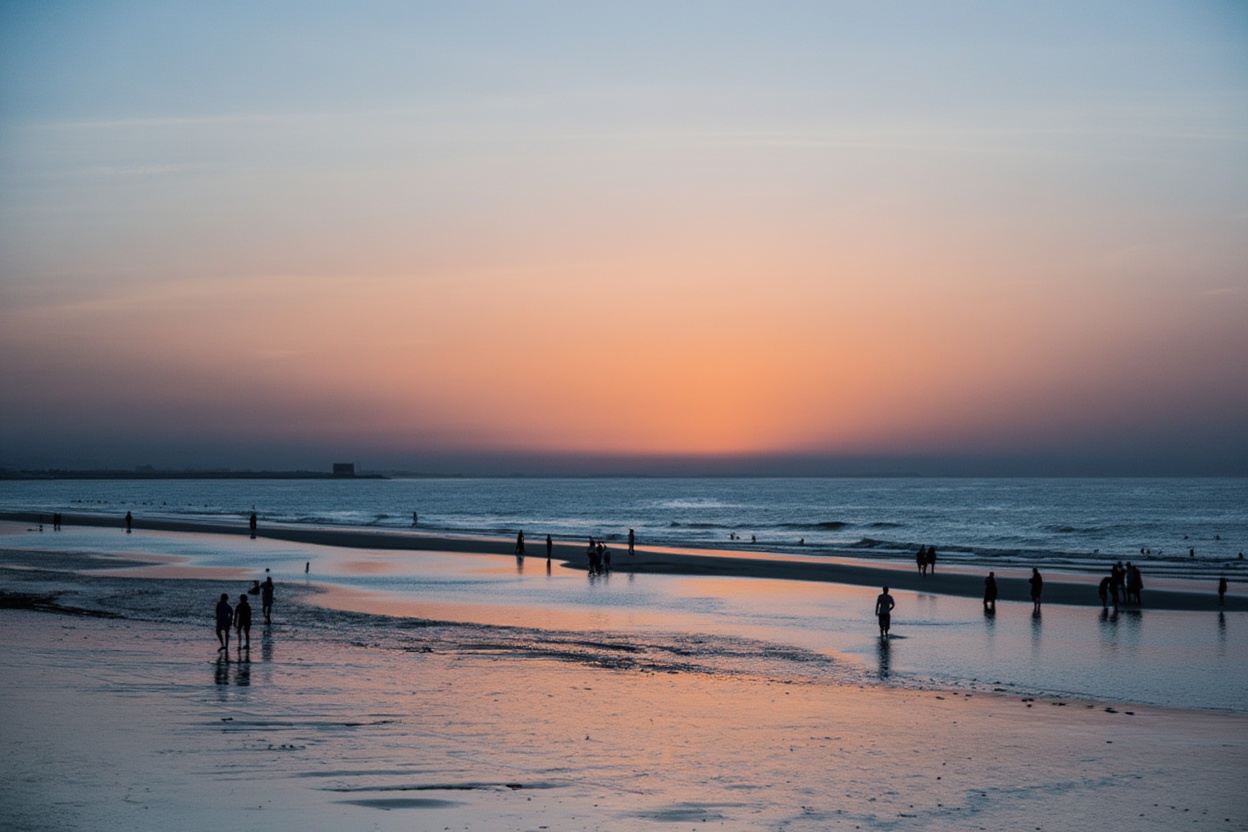
Qurum Beach: The main public beach, about 8km east of Muttrah. Free, clean, lifeguards present. Gets busy on Friday afternoons with Omani families. Go on a weekday or early morning.
Daymaniyat Islands: A marine nature reserve about 18km offshore, reachable by boat tour from As Sawadi Beach (60km west of Muscat). Snorkelling with reef sharks, rays, turtles, and coral that’s in genuinely good shape. Boat tours run around 15–20 OMR per person (~£31–41 / ~$39–52). Oman’s waters are safe for swimming — the marine wildlife is non-aggressive. Book in advance in peak season (October–May); boats fill up.
Day Trips from Muscat: What’s Worth the Drive
Muscat’s position on the map is genuinely useful — within 2–3 hours you can reach some of the best scenery in Oman. All of these are doable as day trips in a regular car unless otherwise noted.

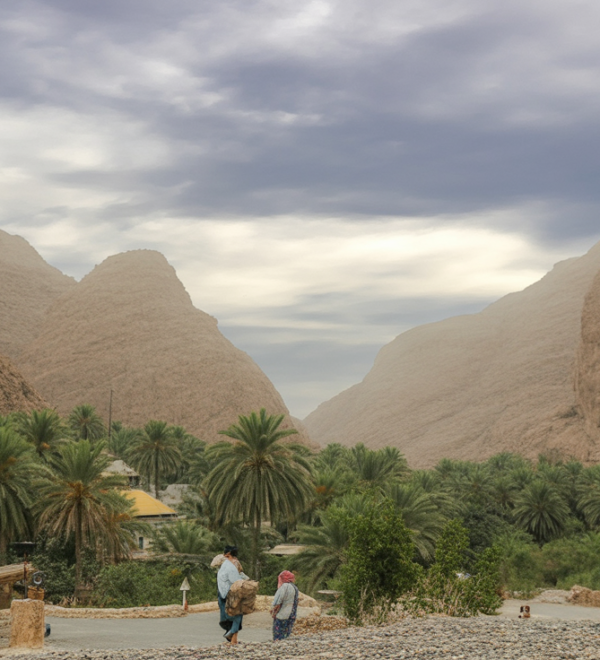
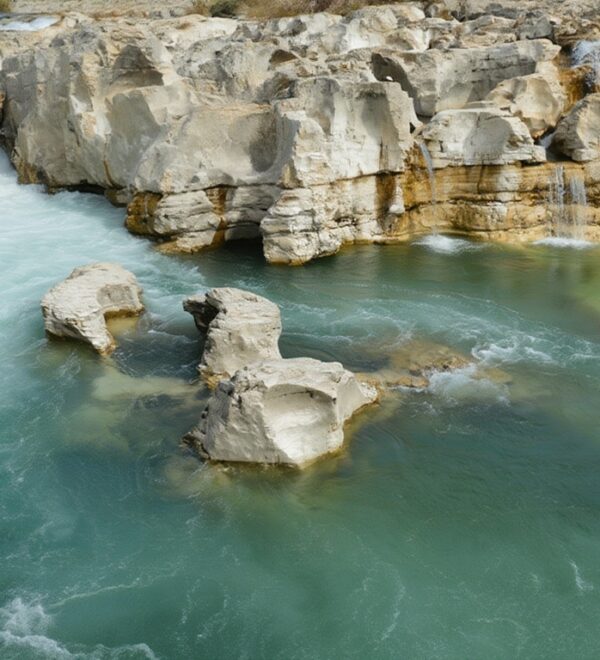
Wadi Bani Khalid (200km, ~2.5 hours): Natural rock pools fed by a perennial stream — the water stays cold even in peak summer, which is notable in a country where most outdoor activities become impossible by 10am in July. The pools are turquoise, the limestone gorge is good for scrambling, and the site is well managed. Take the SH23 east from Muscat. Regular car is fine on the main road; there’s a small swimming area at the end of the paved section that doesn’t require 4WD. Entry: free. Bring water, snacks, and water shoes. Go early — by Friday afternoon it fills with Omani families and the atmosphere changes completely.
Wadi Shab (140km, ~2 hours via Route 17): The wadi you’ve seen photos of — a gorge walk that ends in a cave swim to a waterfall. It’s not a difficult hike but it requires a boat crossing (1 OMR / ~£2 each way — bring exact change) and about 4km of rocky trail each way. The cave section involves swimming through a narrow passage. Not suitable for non-swimmers or anyone with significant mobility restrictions. Water shoes are not optional. Do it in the morning — the walk gets hot after 10am and the turquoise light in the gorge is best early. Full guide at Wadi Shab: Everything You Need to Know.
Nizwa (165km, ~1.5 hours inland on SH15): Oman’s old capital — a 17th-century fort, a souq that sells silver Omani daggers (khanjar) and handcraft, and a Friday morning goat market that’s one of the most genuinely local things you can watch in Oman. The drive through the Hajar Mountains on SH15 is excellent. Regular car handles it fine. Budget a full day: the fort alone takes 1.5 hours, and the Friday souq is a separate trip from the weekday version. Entry to Nizwa Fort: 3 OMR (~£6 / ~$7.80).
Wahiba Sands: About 3 hours from Muscat — the desert dunes that define the Oman photography archive. You need a 4WD for the dunes themselves, though the road to the edge is passable in a regular car. If you’re doing Wahiba, I’d suggest an overnight rather than a day trip — the dunes at dawn before the wind erases the footprints are worth the extra night, and the absolute silence of the desert at 5am is the kind of thing you come back to Oman for.
The Confession: What I Learned About Muscat the Hard Way
My first week in Muscat, I tried to walk from the Grand Mosque to Muttrah. It’s 20km. I knew it was 20km. I thought it wouldn’t be that bad.
It was 41°C at 11am. The pavements — where they existed — ran out after about 1.5km and deposited me on the hard shoulder of a dual carriageway. I lasted about 25 minutes before I called a taxi and spent the rest of the afternoon wondering what I’d been thinking.
Muscat is not a walking city. It was never designed to be. The distances between attractions are real distances, the heat is real heat, and the road infrastructure prioritises cars so thoroughly that pedestrian routes often simply don’t exist. Rent the car. This isn’t a suggestion.
Where to Eat in Muscat
Muscat has a better food scene than most Oman guides acknowledge — particularly for Indian and Pakistani food (driven by Oman’s large South Asian expat community), for fresh seafood, and for traditional Omani dishes that don’t appear on the tourist-facing menus.
Seafood: The fish market at Muttrah operates from early morning — fresh hammour, kingfish, and lobster direct off the boats. Restaurants adjacent to the market cook it to order. Budget 2–4 OMR (~£4–8 / ~$5–10) for a full fresh-fish meal.
Omani food: Shuwa (say: SHOO-wah — slow-cooked lamb marinated in spices, wrapped in leaves, cooked in an underground pit for 24–48 hours) is the national dish. You won’t find it in most tourist restaurants — ask your hotel or guesthouse where the nearest family restaurant is that serves it. Budget 2–3 OMR (~£4–6) for a plate.
Kahwa: Omani coffee (say: KAH-wah — light, cardamom-spiced, served in small cups with dates) is the default welcome drink in any traditional setting. Order it anywhere that serves Omani food. The combination of bitter coffee and sweet date is the thing you’ll remember most from the food side of Muscat.
For the full Oman budget picture including food costs: Oman Budget Per Day.
Where to Stay in Muscat
Budget accommodation in Muscat is limited — “budget hotels are practically non-existent” is a phrase you’ll encounter in Oman travel guides, and it’s accurate. This is not backpacker territory.
For 2+ people travelling together, apartment hotels are the practical choice — they cost similar per room to a mid-range hotel but give you a kitchen and more space. Check Booking.com and filter by “apartment hotel” in Muscat — the Muttrah and Al Khuwair areas have the best options.
Hotel prices in Muscat peak December–February and are cheapest March–May. The summer months (June–September) are technically low season price-wise but very hot — if you visit in summer, you’ll spend significantly more on air-conditioned transport and indoor attractions.
FAQ: Muscat Travel Guide
- How many days do you need in Muscat?
- Two full days minimum — one for the Grand Mosque and Muttrah area, one for the forts, museums, and beach. Three days if you’re adding a day trip to Wadi Bani Khalid or the Daymaniyat Islands. One day is enough to see the Grand Mosque and the Corniche, but not enough to understand the city.
- Do you need a car in Muscat?
- Yes. Public transport in Muscat is not usable for tourists in any practical sense — no metro, infrequent buses, and attractions spread across 30km of coastline. Car rental costs 10–15 OMR/day (~£21–31), the roads are excellent, and petrol is 0.170 OMR/litre. Renting is cheaper and faster than taking taxis between attractions.
- Is Muscat worth visiting?
- Yes — it’s the best base in Oman and a genuinely interesting city in its own right. The Grand Mosque alone is worth the stop. Muscat is also the practical hub for day trips to the wadis, the Daymaniyat Islands, and the Hajar Mountains. Even if Oman’s landscape is the main draw, two days in Muscat is time well spent.
- What is the best time to visit Muscat?
- October to March. Temperatures are 20–28°C, the sea is perfect for swimming, and all outdoor activities are comfortable. April and early May are still manageable. From June to September, midday heat regularly hits 38–42°C — sightseeing becomes an early-morning and evening activity only. See Oman best time to visit for the full seasonal breakdown.
- Is Muscat expensive?
- More expensive than most Middle Eastern cities for accommodation — budget hotels are rare, and mid-range starts at 30 OMR/night (~£62). Food and activities are reasonable: a restaurant meal runs 2–5 OMR (~£4–10), and most major attractions charge 0.5–2 OMR. The Grand Mosque and Corniche are free. A realistic daily budget excluding accommodation is 12–20 OMR (~£25–41).
- Is Muscat safe for tourists?
- Very. Oman consistently ranks among the safest countries in the Middle East for tourists — low crime, stable government, and a strong tradition of hospitality. The main safety considerations are road safety (drive carefully on mountain roads) and sun/heat in summer. For the full picture: Is Oman Safe?
Before You Leave Muscat
Muscat is the obvious base for exploring Oman, and it’s also a more interesting city than most Oman itineraries give it credit for. Two days in Muscat, then use it as a hub for the wadis and the desert — that’s the structure that works.
The Grand Mosque, the Corniche, and a grilled hammour at the Muttrah fish market. That’s the Muscat I’d tell someone to prioritise. Everything else is additive.
For what to do beyond Muscat: Things to Do in Muscat covers the full list of day trips and excursions, and the Wadi Shab guide is the starting point for the wadi that most people visit first.
Muscat in Summer: What Changes When the Heat Hits
Most Oman guides tell you to avoid Muscat in summer and move on. The reality is more nuanced. Muscat in summer is not the same as Muscat in January, but it’s not impossible either — it just requires operating on a different schedule.
The heat from May through September (peaking at 40–45°C in July and August) compresses outdoor activity into the early morning and evening. By 9am the Corniche is emptying. By 11am only the most determined tourists are walking anywhere exposed. By 2pm, the city is mostly indoors. This is simply how residents live — and visitors who adopt the same rhythm find Muscat surprisingly accessible even in summer.
What works in summer: the Grand Mosque visit at 8am (before the heat builds and before the tour groups arrive). Mutrah Souq at 9am (the morning session before the 1pm close). Air-conditioned museums (Bait Al Zubair, Natural History Museum) in the middle of the day. The Corniche walk after 6pm when the sea breeze makes it actually pleasant. Dinner in the Al Mouj Marina area after 7pm, when the restaurants are full and the temperature has dropped to something manageable.
What doesn’t work in summer without very early starts: wadi day trips. Wadi Shab (140km, 2 hours) in summer requires leaving Muscat at 5:30am to be swimming by 8am and out before 10am. This is achievable but requires a very different mindset than the winter version of the same trip.
Hotel prices in summer are 25–40% lower than the December–February peak. The Grand Mosque has fewer visitors before 10am than in any winter month. The city functions perfectly well — its residents don’t leave. If your only window to visit Oman is in the summer months, come with the right expectations and a willingness to do your outdoor activities in the dark and the early morning light.
What Muscat Residents Know That Visitors Miss
A few things that three years of living here have surfaced:
The Corniche drive at dusk (free, 30 minutes): Drive the Corniche road from Muttrah to Old Muscat and back at around 6pm when the mountains turn orange and the port lights reflect off the water. This costs nothing and requires no planning. It’s the version of Muscat that residents use to decompress. No guide recommends it because there’s nothing to sell in the experience.
Wadi Al Khoud on a Tuesday morning (45 minutes from the city, free): The nearest wadi to Muscat that’s actually worth visiting. A short gorge walk with natural pools, manageable in the morning before work — which means most expats who use it are there before 8am and gone by noon. Not Wadi Shab in scale, but a real wadi 45 minutes from the city centre. The right answer when you have a morning free rather than a full day.
The Muscat sunset from the headland above Old Muscat: The road around the headland between Old Muscat and Mutrah has a point where it rounds a corner and the harbour opens in both directions simultaneously. Arrive at this point 20 minutes before sunset and park on the verge. The light on the forts and the palace, with the mountains behind, is the photograph of Muscat that takes effort to replicate. Most visitors don’t find it because they don’t drive the headland road.