Last updated: June 2026 — logistics and prices verified June 2026.
Wadi Shab is a gorge walk that ends in a waterfall inside a cave that you can only reach by swimming through a narrow, dark tunnel. That is a factual description of what happens there. It is also why Wadi Shab is, for most people who make it to Oman, the single best thing they do. Here is how to do it properly.
I’ve done this walk ten times — five as the person discovering it, five as the person guiding friends who flew out specifically to see it. I know where people go wrong (starting too late, not bringing enough water, not knowing about the cave swim before they get there), and I know what makes the difference between a rushed version and the full experience. This guide covers all of it.
What Wadi Shab Actually Is
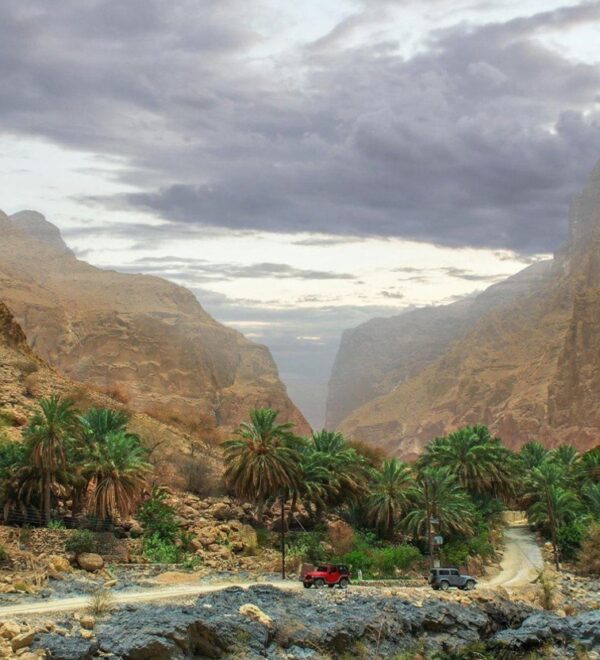
A wadi is a dry riverbed that fills with water during rain. Wadi Shab is different — it holds water year-round, fed by springs higher in the Al Hajar mountains. The result is a series of natural pools and gorges carved through limestone, turquoise water even in the height of summer, and at the far end of the gorge, a cave where a waterfall drops from 20 metres above.
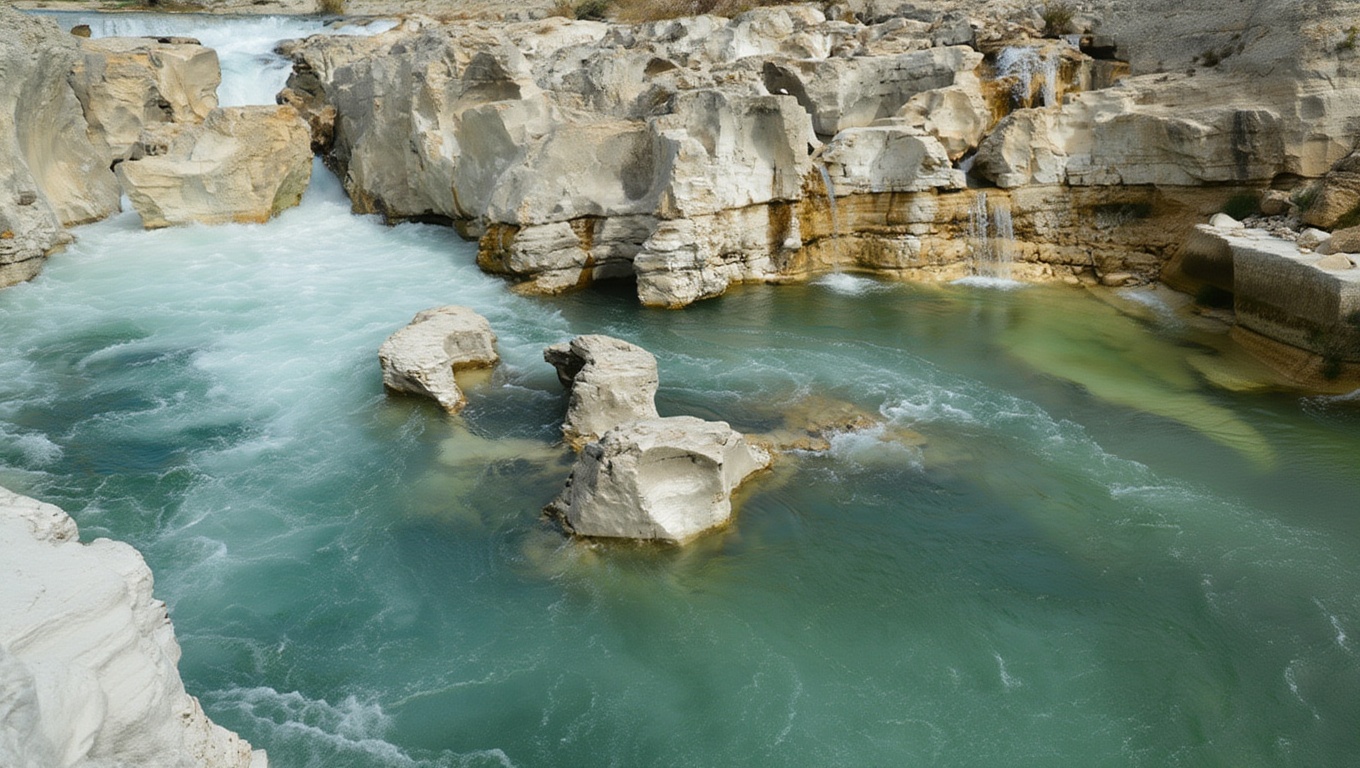
The walk from the boat landing to the cave waterfall is approximately 2.5 kilometres each way. The total distance including the boat crossing is around 6 kilometres. Allow 4–5 hours for the full return trip if you want to swim at the cave — more if you stop at the pools along the way, which you should.
The final access to the waterfall requires swimming. Not paddling — proper swimming, 50–60 metres through a narrow cave tunnel. It is dark, the walls are close, and the water is cold. For most people it is the best part of the day. For people with claustrophobia or who are not confident swimmers, it is important to know this before you start the hike and find yourself at the entrance to the tunnel with no good options.
Getting There: The Practical Answer
By car from Muscat: The most practical option. Wadi Shab is approximately 150km from Muscat, on the coastal road (Route 17) southeast toward Sur. Drive time: 1.5 to 2 hours depending on traffic.
The turn-off is signposted at the town of Tiwi. After the turn, follow signs toward Al Hamr — the car park is at the edge of the village, on the left side of the wadi. GPS coordinates: 22.8361° N, 59.0444° E. Parking is free and informal.
No 4WD required. The road is fully paved to the car park. Any standard rental car gets you there without drama.
From Sur: Wadi Shab is 45–50 minutes west of Sur. If you’re road-tripping down the coast, combining Wadi Shab with Sur and Ras Al Jinz turtle reserve makes a logical route.
No public transport. There is no bus to Wadi Shab. None. If you don’t have a car, your options are: hire a car in Muscat (see the Oman Budget Per Day guide for rates), join an organised tour, or take a taxi from Muscat — which will cost 50–80 OMR (£103–164) return and requires negotiating the wait time with the driver.
Organised tours from Muscat: Available from several operators. Day tour prices: 12–15 OMR/person (£25–31) from local operators, or $30/person from international booking platforms. Worth it if you don’t have a car and don’t want the taxi negotiation. The downside: you leave when the tour leaves, not when you’re ready.
•Daniel’s Honest Take
The tour option is fine, but the timing is rushed. Most tours arrive at Wadi Shab around 9–10am and leave again at 2–3pm. That’s enough for the full hike, but you’ll be doing it in the heat of the day with a group of people who may not all be hiking at the same pace. The self-drive option gives you full control — arrive early, leave when you’re satisfied. That’s the version I’d recommend.
The Boat Crossing
From the car park, you walk along the edge of the wadi for about 5 minutes to the boat landing. Here a local boatman ferries visitors across the narrow channel — the water is too deep to cross on foot, and the crossing is genuinely pleasant, a flat-bottomed boat gliding across still green water with the gorge walls rising on both sides.
Cost: 1 OMR (~£2.05 / $2.60) each way. 2 OMR return per person. Cash only — bring small notes. The boatman does not have change for a 5 OMR note at 8am.
Hours: Boats run 8am to 5pm. The last boat back leaves at 5pm. This is not a guideline — they stop at 5pm. If you miss the last boat, you’re swimming back in the dark or camping involuntarily.
Timing note: Be on the first boat if possible. The boat queue at 9am on a weekend is longer than you want. At 7:45am (the boatman is usually there slightly before 8), you might be the only person crossing.
The Hike: Section by Section
The trail from the boat landing to the cave waterfall has three distinct sections.
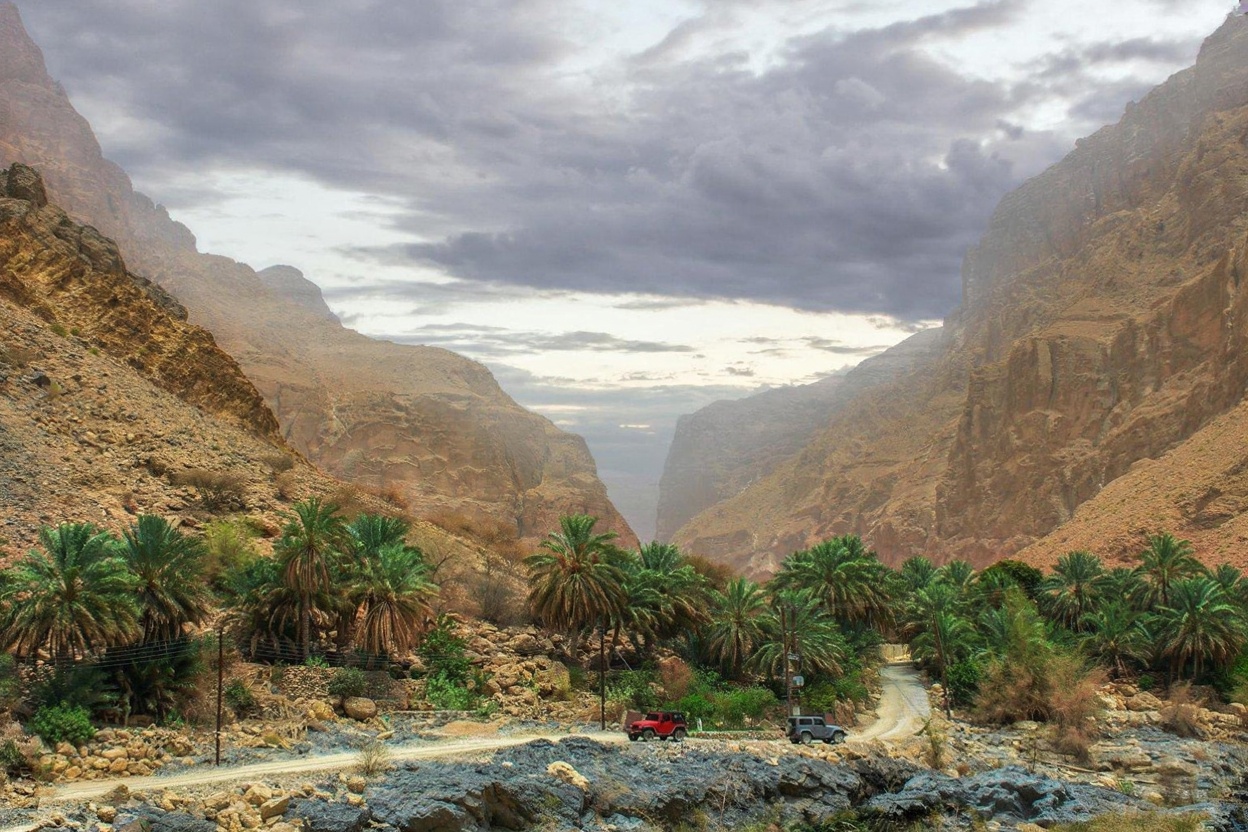
Section 1 (0–1km): The flat approach. After the boat landing, the path is clear and relatively easy — a well-worn trail along the wadi edge. Some rocky sections but nothing technical. The gorge walls start low here and build. You’ll pass the first pools within 10 minutes — calm, turquoise, often empty early in the morning. These are good swimming spots if you want to split the swim across the day rather than save everything for the cave.
Section 2 (1–2km): The climbing section. The trail rises above the wadi floor and involves some boulder scrambling. Sturdy shoes are important here — sandals are a bad idea for this section specifically. The views open up as you gain height. The path is marked by cairns (stacked rocks) and is well-worn enough that losing it requires effort.
Section 3 (2–2.5km): The final approach and cave entrance. The trail descends back to water level and the gorge narrows significantly. Here you reach the point where the trail ends and the swimming begins. The cave entrance is visible — a gap in the rock face with water flowing through it.
At the cave entrance: Leave your bag and dry clothes on the rock shelf. Everything you’re taking through the tunnel needs to be waterproof or acceptable to get wet. Phones in a dry bag or left behind. The swim is 50–60 metres through the cave — the ceiling is low in places, but there is always clearance above the water. A headtorch helps. After the tunnel, the cave opens into a cathedral-sized chamber where the waterfall drops from a hole in the roof above. It is genuinely extraordinary.
Return: Same route back. Allow the same time as the ascent — descending the rocky section requires just as much attention as ascending. People who rush the descent are the ones who roll ankles.
What to Bring — The Non-Negotiable List
Water: A minimum of 2 litres per person. There is nothing to buy once you’re past the car park. The hike is strenuous in heat and the return journey feels longer than the approach. Running out of water 1.5km from the boat crossing is an unpleasant situation. In summer (April–October), 3 litres is more appropriate.
Footwear: Sturdy walking shoes or trail runners. The rocky scrambling section requires grip. Flip-flops are unsuitable. If you want to swim in the pools along the trail, water shoes that you can also hike in are ideal.
Dry bag or waterproof pouch: For phone, wallet, car keys. You will be swimming. Plan for it.
Swimwear: Worn under or over hiking clothes depending on preference. Most people change at the cave entrance.
Cash: 2 OMR per person for the boat (1 OMR each way), in small denomination notes. Bring more if you’re buying snacks from the stall near the car park.
Sun protection: Hat, sunscreen. The trail has some shade but not enough. The reflection off the water amplifies the sun significantly.
Snacks: The hike takes 4–5 hours. Bring food. The car park area has a small drinks stand but nothing beyond that.
•DANIEL’S PICK
Start at 7:30–8am. Cross on the first boat. Walk fast to the cave, swim, eat lunch at the cave with the waterfall above you, then walk back slowly and swim in the pools on the return. That’s the full Wadi Shab experience in one morning. You’ll be back at the car by 1pm before the heat peaks.
Safety: The Things That Actually Matter
Flash floods: DO NOT visit Wadi Shab after heavy rain, either recent local rain or rain in the mountains to the west. Wadis can flash flood with no warning — the water arrives as a wall, moving fast, with no time to react. The warning sign is rapid change in water colour (turning brown/murky) and a roaring sound from upstream. If you hear or see this, get to high ground immediately. Do not wait to see what’s happening.
Check the weather forecast before you go. The risk is highest from October to April (the Omani winter). Clear skies in Muscat don’t guarantee clear skies in the mountains that feed the wadi.
The cave swim: Know your swimming ability before you enter. The tunnel is 50–60 metres. The water is cold. There is no turning back once you’re committed — the tunnel is too narrow to turn around. If you are not a confident swimmer, or if you are affected by confined spaces, the responsible decision is to stop at the cave entrance and watch others go through. The waterfall at the end is extraordinary. The experience of panicking in a cave tunnel is not.
Shoes on rocks: The rocks in and around the pools are smooth and slippery. People fall. Wearing water shoes while navigating pool edges is worthwhile.
The last boat: Plan your turnaround time to be back at the boat crossing by 4:30pm at the latest. The 5pm cutoff is absolute.
Wadi Shab vs Wadi Tiwi: Which One?
Wadi Tiwi begins just a few kilometres north of Wadi Shab, off the same coastal road. The comparison comes up because both are on the same day-trip route from Muscat.
Wadi Shab: longer hike, more dramatic gorge, cave waterfall as the destination. The experience requires more effort. The payoff is commensurately higher.
Wadi Tiwi: shorter, easier, and more accessible by car further into the gorge (you can drive partway in, which Wadi Shab doesn’t allow). The landscape is greener — date palms, terraced agriculture, ancient falaj (irrigation) systems. Villages that have been there for centuries. Less dramatic water features than Wadi Shab but more cultural context.
The honest answer: if you have one day, choose Wadi Shab. The cave waterfall is the reason people drive three hours round trip from Muscat. If you have two days on the coast, do both — they’re very different experiences that complement rather than repeat each other.
Both can be done in the same day if you start early. Wadi Tiwi in the morning (it’s slightly north, so pass it on the way), Wadi Shab in the afternoon — but this involves doing Wadi Shab in the hotter part of the day, which isn’t ideal. Better: Wadi Shab first at dawn, Wadi Tiwi on the return.
Best Time to Visit
November to March: The ideal window. Temperatures at the wadi are 20–28°C. The water is refreshing rather than shocking. The light is better for photography. The crowds, such as they are, are manageable.
April and October: Transitional months. Still good. April can get warm (30–35°C) but mornings are bearable. October is comfortable.
May to September: Possible but challenging. Temperatures at the wadi can hit 38–40°C. The cave water is a relief rather than a pleasure. The hike in direct sun between 10am and 4pm is genuinely difficult. If you must go in summer — and there are good reasons not to — start before 7am and be out by noon.
Weekday vs weekend: Friday and Saturday (the Omani weekend) are busier. Wednesday and Thursday are quieter. If you’re visiting in peak tourist season (December–February) and want the wadi to yourself, arrive at opening on a weekday.
Combining Wadi Shab with a Coastal Road Trip
Wadi Shab sits on one of Oman’s best self-drive routes — the coastal road from Muscat southeast toward Sur. The full route makes a natural 2–3 day circuit:
Day 1: Muscat → Wadi Shab (morning) → Fins Beach (afternoon, 30 minutes past Wadi Shab — the clearest swimming water on the Omani coast) → Sur (evening, 45 minutes from Fins)
Day 2: Sur → Ras Al Jinz turtle reserve (the green turtle nesting site — book in advance, night tours start at 9pm) → overnight at Ras Al Jinz or Sur
Day 3: Drive inland to Wahiba Sands (the desert), overnight camping, then back to Muscat via Nizwa — or directly via the inland highway
This circuit covers three of Oman’s most distinctive environments in 2–3 days: the wadi gorge, the marine turtle reserve, the desert. It is, in my opinion, the best 3-day trip available from Muscat. Wadi Shab is the highlight.
Practical Summary
Getting there: Drive or tour. No public transport. 1.5 hours from Muscat via Route 17.
Parking: Free, at Al Hamr village beside the wadi.
Boat crossing: 1 OMR each way, cash only. 8am–5pm. Last boat 5pm.
Entrance fee: None. The boat is the only cost.
Hike length: 2.5km each way to the cave. Allow 4–5 hours total including swimming.
Difficulty: Moderate. Rocky terrain in the middle section. Good shoes required. Confident swimming required for the cave.
What to bring: 2–3 litres water per person, sturdy shoes, dry bag, swimwear, snacks, cash.
Best time: November to March. Arrive before 8am.
Flash flood warning: Do not go after recent rainfall in the area or the mountains. Check the weather forecast the evening before your visit — mountain weather over the Al Hajar range changes faster than coastal weather and isn’t always captured by standard apps.
- How long is the Wadi Shab hike?
- The hike from the boat landing to the cave waterfall is approximately 2.5 kilometres each way, making a total of about 6 kilometres including the boat crossing. Allow 4–5 hours for the full return trip if you want to swim at the cave waterfall, with time for stops at the pools along the trail. The boat crossing itself takes 1–5 minutes. The difficulty is moderate — the middle section involves rocky scrambling that requires sturdy footwear.
- How much does Wadi Shab cost?
- The only mandatory cost is the boat crossing: 1 OMR each way (~£2.05 / $2.60), so 2 OMR return per person. Cash only — bring small notes. There is no entrance fee for the wadi itself. If you’re joining an organised tour from Muscat, expect to pay 12–15 OMR (local operators) or around $30 (international booking platforms). If you’re self-driving, the parking is free.
- Is Wadi Shab dangerous?
- Two genuine risks: flash floods and the cave swim. Flash floods can occur with no warning after heavy rain in the mountains that feed the wadi — do not visit after rainfall and check the mountain weather forecast, not just the coastal forecast. The cave swim requires confident swimming — it’s 50–60 metres through a narrow, dark tunnel with no option to turn around once committed. People who are not strong swimmers or are claustrophobic should stop at the cave entrance. The hike itself is moderate and safe with sturdy shoes.
- Can I get to Wadi Shab without a car?
- Not easily. There is no public transport to Wadi Shab — no bus service from Muscat or Sur. Your options without a car: join an organised day tour from Muscat (12–15 OMR local, $30 international platforms), hire a taxi for the day from Muscat (negotiate 50–80 OMR return with wait time), or hire a car. The self-drive option gives the most flexibility and is the most common choice for independent travellers.
- What is the cave at Wadi Shab?
- At the end of the Wadi Shab gorge, a cave entrance leads through a narrow tunnel to a large underground chamber where a waterfall drops from an opening in the roof above. Reaching the waterfall requires swimming 50–60 metres through the tunnel — the ceiling is low but there is clearance above the water throughout. Inside the chamber, the light from the roof opening illuminates the waterfall and the pool below. It is the reason people drive from Muscat to Wadi Shab.
- What is the best time to visit Wadi Shab?
- November to March is optimal — temperatures of 20–28°C make the hike comfortable and the water refreshing. Within any day, arrive before 8am to be on the first boat and reach the cave before the midday heat and tour group crowds. Weekdays are quieter than Friday and Saturday. Avoid the summer months (May–September) if possible — temperatures at the wadi can reach 38–40°C and the hike between 10am and 4pm becomes genuinely difficult. If you must go in summer, start before 7am.
- Should I do Wadi Shab or Wadi Tiwi?
- If you have one day, do Wadi Shab — the cave waterfall is the defining experience and cannot be replicated elsewhere on the coast. Wadi Tiwi, 5km north, is a completely different character: shorter, easier, accessible by car partway in, with ancient villages and date palm terraces rather than dramatic swimming gorge. Both are worth doing and they complement each other well. If you have two days on the coast southeast of Muscat, do Wadi Shab in the morning and Wadi Tiwi on the return.
Wadi Shab earns the drive every time I’ve made it. The combination of the gorge, the turquoise pools, and the cave at the end is specific to this place in a way that photographs partially convey and experience fully delivers. Go early, bring water, know your swimming ability before you enter the tunnel. The rest takes care of itself.