Last updated: June 2026 — weather data and seasonal notes verified June 2026.
Oman is a country where the season you visit determines what you can actually do, not just whether you’ll be comfortable. In November, you can hike from the Wahiba Sands at dawn, drive to Wadi Shab for a swim, and be at Nizwa Fort before the afternoon heat builds. In July, you can do exactly the same activities, but you’ll be doing them in 42°C heat. The answer to “when is the best time to visit Oman” is therefore: November to February, with caveats. This guide explains the caveats.
I’ve been in Muscat for three years. I’ve done every season. Summer in Muscat is exactly what it sounds like — genuinely extreme heat that limits outdoor activity to the hours before 8am and after sunset. Winter is one of the better climates in the world. Here’s the breakdown.
The Quick Answer: Month by Month
October: Temperatures drop from summer highs, settling into 30–35°C. Still warm but manageable. Crowds thin compared to December–February. Good for wadis and coast; hiking at higher elevations (Jebel Shams, Jebel Akhdar) is comfortable. Accommodation prices are mid-season.
November: The best month of the year. Temperatures 24–30°C. Blue sky. The wadis are at their best — the water level from the September rain is still holding. Tourists are present but not overwhelming. Prices are pre-peak. The coast is warm enough for swimming; the mountains are cool enough for proper hiking.
December–January: Peak season. Temperatures 18–26°C, occasionally colder at altitude. Everything is open, everything is busy, and accommodation prices are at their highest. The quality of the experience is still excellent — the weather is genuinely good and the country is at its most visitor-ready. Book ahead.
February: Peak season continuing, with temperatures starting to rise by the end of the month. The Jebel Akhdar rose harvest begins in late February — the specific reason to come to the mountains at this time of year. Still excellent for wadis and desert.
March: Transitional. Temperatures climbing toward 35°C by month end. Still comfortable for morning hiking and wadi visits; midday becomes difficult. The rose season continues into March. A good month if you can tolerate the afternoon heat with appropriate planning.
April: Getting hot. 35–40°C in Muscat by mid-month. Doable for early starts, but the window for comfortable outdoor activity narrows to 6–10am. Accommodation prices drop as tourists leave. Good value month for people who can manage the heat.
May–September: The hot season. Muscat temperatures reach 40–45°C. Humidity rises in summer, particularly in Muscat and the coast. Outdoor activities between 10am and 5pm are genuinely uncomfortable and potentially dangerous for extended exposure. The exception is Salalah — see below. May and September are the transition months and slightly more manageable than June–August.
The Khareef: Why Salalah in Summer Makes Sense
Salalah, the capital of Dhofar in southern Oman, is approximately 1,000 kilometres southwest of Muscat. Between July and September, it receives the Indian Ocean monsoon — the Khareef season. The result is a phenomenon that sounds impossible for Oman: green hills, mist, waterfalls, and temperatures of 25–30°C while the rest of the country bakes at 40+°C.
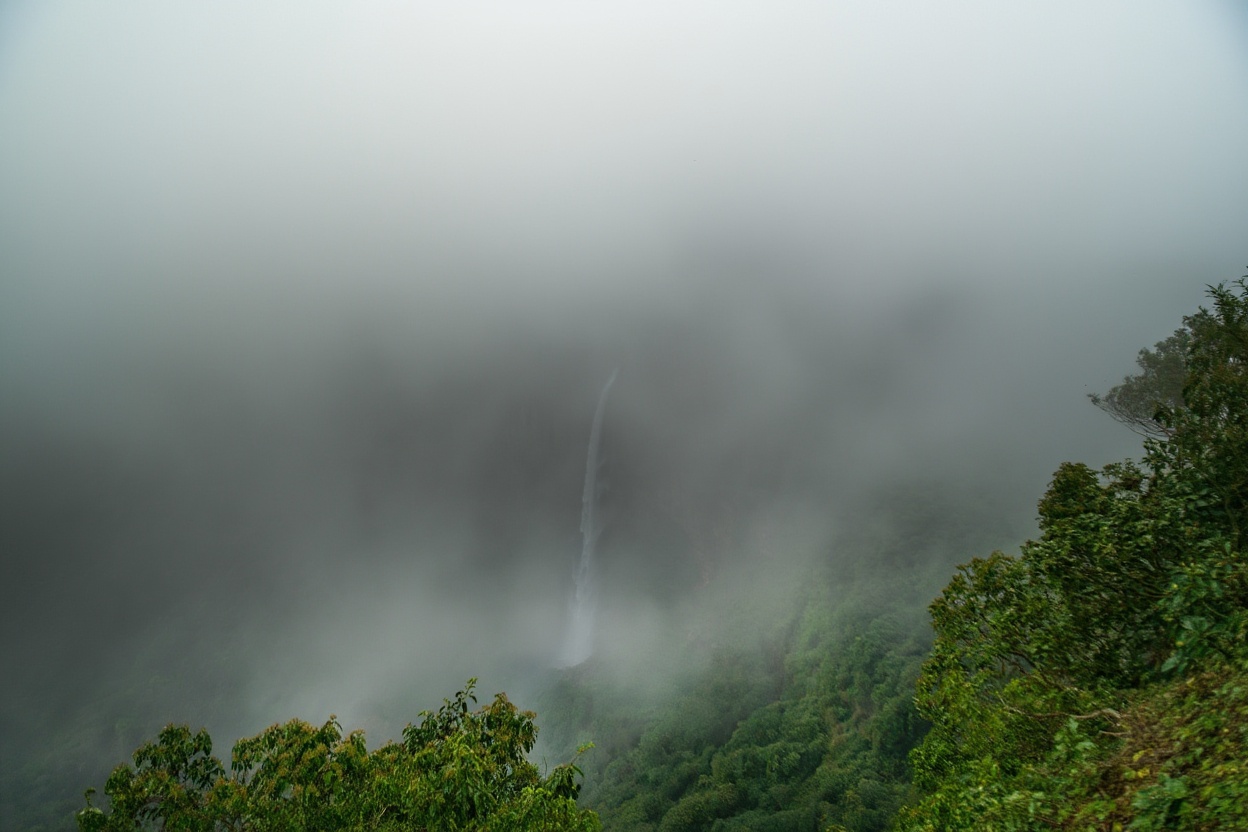
Omanis from Muscat travel to Salalah in July and August specifically for this reason. The beaches around Salalah — Mughsail, Al Fazayah — have dramatic blowhole formations and white sand. The Wadi Darbat fills with waterfalls. The hills above the city turn a colour that looks more like Scotland than Arabia.
What to know:
– Khareef runs roughly July through September, with peak intensity in August
– Oman Air operates direct flights from Muscat to Salalah — worth taking rather than the 10-hour drive
– Accommodation in Salalah fills up in July and August — book ahead
– The beaches are swimmable but the ocean can be rough during the monsoon — check conditions
– Frankincense trees in the Dhofar region are at their most productive in the autumn after the rains; the frankincense souqs in Salalah are worth visiting year-round but particularly post-Khareef
This is the single most important seasonal exception in Oman. If your trip dates fall in July or August, don’t abandon Oman — adjust to Salalah.
November to February: The Peak Season in Detail
Why November is the best month:
Temperatures in Muscat in November: average high 29°C, average low 19°C. The humidity drops significantly from summer levels. The wadis — Wadi Shab, Wadi Bani Khalid, Wadi Al Khoud — are at their most accessible: the access tracks are dry, the water levels are good, and the gorges are navigable without the summer heat making the hike a survival exercise.
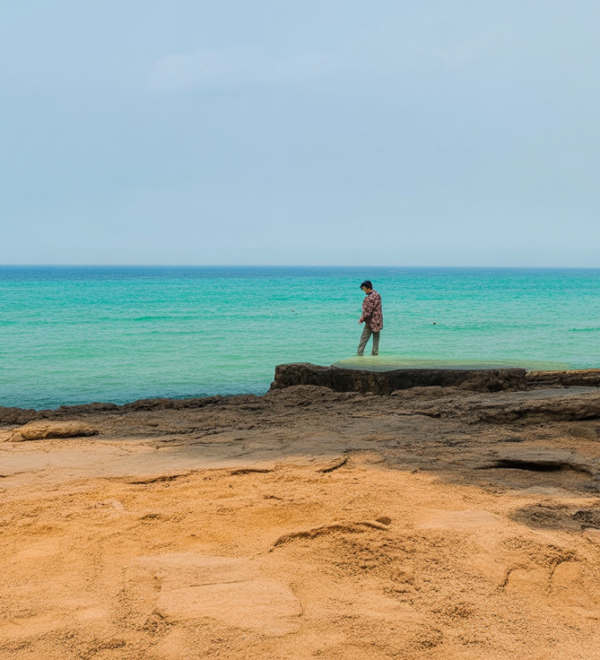
The coast: sea temperature around 26°C, warm enough for comfortable swimming. The Daymaniyat Islands dive season is in full flow. The turtle nesting at Ras Al Jinz continues through November — the females are still coming ashore, though the peak nesting has passed.
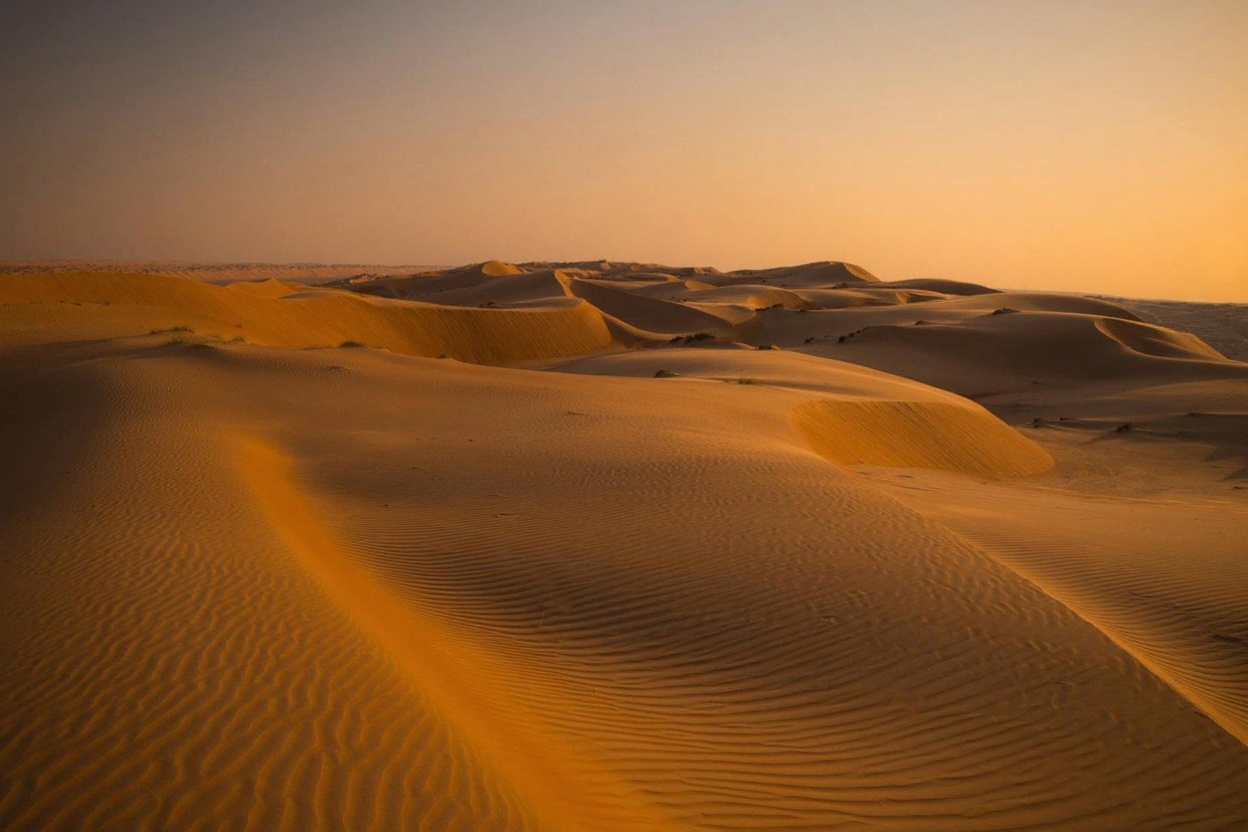
Wahiba Sands in November: the sand temperature at dawn is genuinely cold — 15–18°C before sunrise. This is the time for the classic experience: camping overnight, waking in the dark, watching the dunes light from the east as the sun comes up. The heat of midday doesn’t overwhelm everything — by 2pm it’s 32°C rather than 45°C.
December and January: peak visitors, peak prices, still excellent
The winter school holidays bring a significant uptick in visitors. Accommodation prices in Muscat, Nizwa, Sur, and the popular coastal areas are at their highest — sometimes double the off-season rate. Book accommodation 4–8 weeks ahead for December–January travel.
Despite the crowds and prices, the weather is the best of the year for outdoor activity. The Jebel Shams hike (the “Grand Canyon of Oman”) is at its most comfortable. The coastal drive to Sur — via Bimmah Sinkhole, Wadi Shab, Fins Beach — is fully accessible and spectacularly clear-skied. The dhow-building yards in Sur are active. Ras Al Jinz has turtle hatching from September through February, with hatchlings emerging in the early morning.
Temperature reference for Muscat:
– December: high 27°C, low 17°C
– January: high 25°C, low 16°C
– February: high 27°C, low 17°C
– November: high 29°C, low 19°C
The Jebel Akhdar Rose Season
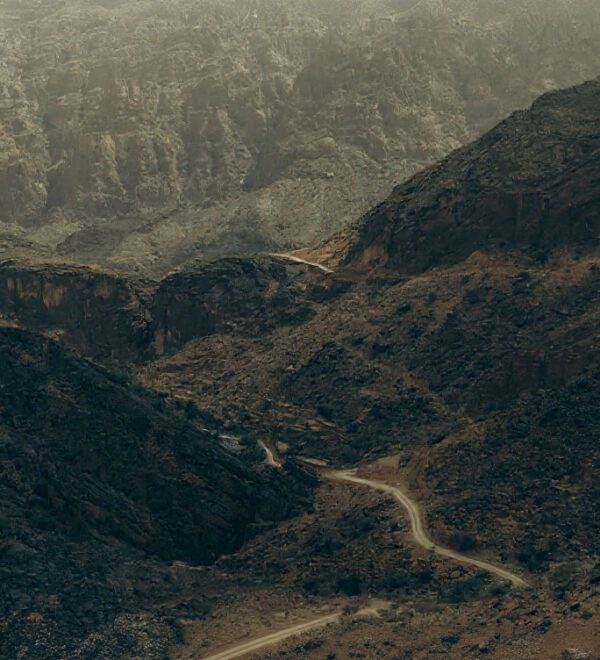
Jebel Akhdar — the Green Mountain — sits at 2,000 metres in the Al Hajar range, about 2.5 hours from Muscat. The plateau above has been cultivating Damask roses for centuries. In late February through early April, the roses bloom, and the villages of Al Ayn and Ash Shirayjah are surrounded by rose gardens in full flower.
The rose harvest produces Omani rose water — used in Omani halwa (the traditional sweet), in coffee, and in perfumes — and rose oil that is among the most expensive in the world. The season is short: typically 3–4 weeks in late February and March.
This is the reason to go to Jebel Akhdar specifically in late February or March rather than any other time. The mountain is worth visiting year-round — the cool air at altitude, the ancient terraced farms, the plateau villages, the views into the canyon below — but the rose season adds a specific sensory layer that’s hard to replicate. The smell of rose water being produced in village workshops in the morning is exactly as good as it sounds.
Practical note: Jebel Akhdar requires a 4WD for the access road (not negotiable — checkpoints enforce this). The village guesthouses on the plateau fill up during rose season. Book accommodation 2–3 weeks ahead for late February and March visits.
Sea Turtle Watching at Ras Al Jinz
Green sea turtles nest at Ras Al Jinz on the Musandam Peninsula year-round, but the season matters for what you see.
Nesting season: May through October. Females come ashore at night to lay eggs. Peak nesting is July through September — this overlaps with the hottest part of the summer, but the turtle watches take place at night when temperatures are more manageable (still 30–35°C, but not 42°C).
Hatching season: August through February. Hatchlings emerge from nests 45–60 days after laying. The sight of 100 hatchlings making their way to the sea in the beam of a guide’s red torch is one of the more extraordinary wildlife experiences in the region.
Night tours: the Ras Al Jinz Turtle Reserve operates guided night tours from 9pm. Entry is 7 OMR (~£14.35). Booking is required — the number of visitors per night is controlled to minimize disturbance to nesting females. Book online at least a week ahead in peak season.
The practical implication for timing: if seeing turtles is a priority, July through September (Salalah for the heat) with a stop at Ras Al Jinz for the night tours works well. If hatching is the priority, November through February (peak comfort season overall) covers the hatching window.
Activity-by-Activity Season Guide
Wadi swimming and hiking: November to March. The combination of cool air and accessible water is best in this window. The approach tracks to Wadi Shab are navigable in any season; the hike itself in June is survivable but unpleasant. In November, it’s one of the best days you can have in Oman.
Wahiba Sands camping: October to April. Summer camping in the desert is dangerous rather than uncomfortable. The October to April window allows for the proper experience — cooler nights, dramatically clear skies, the silence of the desert without the survival stress of 45°C days.
Jebel Shams hike: November to March. The Al Nakhr Gorge hike (the “Grand Canyon” rim walk) is 9km in exposed terrain. In summer, this should not be attempted. In December and January, it requires a daypack with sun protection and adequate water; the terrain is walkable in good weather.
Diving and snorkelling at Daymaniyat Islands: October to May. The water visibility is best in winter. The islands are a marine reserve and the coral and fish life is at its most accessible in this period. Note: the islands are closed to visitors in June and July for the turtle nesting season.
Muscat city exploration: year-round, but adjust timing in summer. The Grand Mosque, Muttrah Souq, and Old Muscat are fully accessible in July — just plan them for the evening or early morning. The 8am mosque visit in December is comfortable; the 8am mosque visit in July still works before the heat builds.
Dolphin watching from Muscat: year-round. The spinner and humpback dolphin pods in the Muscat bay are resident and the boat trips run throughout the year. Summer heat doesn’t affect the dolphins; it affects how comfortable you are on the boat. Morning trips are the answer.
What to Avoid and When
Avoid the Jebel Akhdar drive in summer: the mountain plateau is cool relative to Muscat (temperatures 15–25°C at 2,000m), but the drive up is the issue. The road has no shade, the black tarmac radiates heat, and a vehicle breakdown at midday in summer is not a comfortable situation.
Avoid Wadi Shab and similar gorge walks in June to September: not impossible, but the combination of the 3-hour return walk and 40°C temperatures is genuinely dangerous. The boat operators still run; the trail is still passable; the judgement call is yours. I’ve seen people do it in July and regret the middle section.
Avoid Wahiba Sands camping June to September: temperatures in the Wahiba at night in July can still reach 35°C. This is not camping weather. The dunes are accessible for short daytime visits from a vehicle with air conditioning; overnight camping in summer is for people who have prepared specifically for it.
Avoid booking peak December-January without accommodation secured: the Oman tourism infrastructure has improved significantly but it is not infinite. Remote guesthouses (Wahiba Sands operators, Wadi Shab-adjacent accommodation, mountain guesthouses on Jebel Akhdar) can book out weeks ahead in the December-February peak.
Budget and Pricing by Season
Oman’s tourism pricing follows a predictable pattern: highest in December through February, dropping through March–April, lowest in May–September, rising again from October.
Peak season (December–February): accommodation in Muscat’s nicer hotels: 60–120 OMR/night. Budget guesthouses: 20–35 OMR/night. Car hire: 20–30 OMR/day.
Shoulder (October–November, March–April): accommodation 10–20% cheaper than peak. Better value than peak season with marginally less optimal weather.
Off-season (May–September): accommodation 30–50% cheaper than December prices. The heat is real; the savings are real. For Salalah specifically, July–August are quasi-peak because of the Khareef — book ahead for Salalah summer accommodation.
A real traveller-reported 12-day trip cost from 2024 (shoulder season timing): €1,727 per person total — approximately €144/day — covering car hire, accommodation, food, and activities. This is a reliable mid-range benchmark.
Suggested Trip Lengths by Season
November to February (peak/shoulder): 7–14 days makes the most sense. Long enough to cover the Muscat–coast–desert–mountains circuit without rushing, short enough that you don’t exhaust the country’s highlights. A 10-day trip in November covers Muscat, Wadi Shab, the Sur coast, Wahiba Sands, and Nizwa comfortably with a hired car. Add Jebel Shams if you want a serious hike.
March–April: 7–10 days works well. Add Jebel Akhdar to any itinerary in late February or March to catch the rose season. The warming temperatures mean you’ll want to front-load the outdoor activities in the first half of each day.
Summer (May–September) outside Salalah: 5–7 days is the realistic limit for a Muscat-based trip. Focus on the souqs, museums, the Grand Mosque, and coastal dining. The wadis and desert can be done with very early starts. Salalah adds a separate 3–5 day extension that requires different planning.
For the Khareef specifically: 4–5 days in Salalah, ideally in August at the monsoon’s peak. Include the Dhofar hills, Mughsail beach and blowholes, Wadi Darbat, and the frankincense souqs. The Salalah airport has regular direct flights from Muscat (45 minutes) and from other Gulf hubs.
Practical timing note: Oman uses a Friday–Saturday weekend (different from the Western Saturday–Sunday). Government sites, some museums, and traditional souqs may have different hours on Fridays. Plan itinerary visits to forts and museums for Saturday through Thursday; use Fridays for outdoor activities and driving.
Ramadan timing: Oman is a Muslim country and Ramadan affects the travel experience noticeably. Restaurants are closed during daylight hours (non-Muslim tourists are not required to fast, but eating publicly is considerate to avoid). Some attractions have reduced hours. Evening Iftar (the breaking of the fast at sunset) is one of the warmer hospitality experiences in the country — many guesthouses and hotels set up communal Iftar tables. Ramadan falls on different Gregorian dates each year; check the dates before booking a trip to Oman and factor it into your planning. The experience is not negative for travellers — it’s different, and worth understanding.
- When is the best time to visit Oman?
- October to April for most of the country, with November to February as the optimal window. Temperatures are 20–30°C, all outdoor activities are accessible, and the country is at its most comfortable. The exception is Salalah in July and August — the Khareef monsoon brings cool temperatures and green landscape to the south while the rest of Oman is at peak heat. If your dates fall in summer, consider routing through Salalah rather than avoiding Oman altogether.
- Is Oman too hot in summer?
- For outdoor activities during the day, yes — 40–45°C in Muscat between May and September is genuinely limiting. The wadis, desert camping, and mountain hiking that make Oman extraordinary are best experienced in cooler temperatures. That said, Oman in summer is entirely doable with adjusted expectations: plan outdoor activities before 8am and after 6pm, use the midday hours for air-conditioned museums and souqs, and consider Salalah (where summer temperatures are 25–30°C due to the monsoon).
- What is the Khareef season in Salalah?
- The Khareef is the Indian Ocean monsoon that arrives in Salalah (Dhofar region) between July and September, transforming the area from dry desert to green hills with mist, waterfalls, and temperatures of 25–30°C. This is the opposite of what you’d expect from southern Arabia in summer. Omanis travel from Muscat specifically for the Khareef experience. Accommodation fills up — book ahead for July and August. The Khareef festival is held in Salalah during this period. It’s one of the more unusual and worthwhile seasonal experiences in the region.
- When is the best time to see turtles in Oman?
- Ras Al Jinz turtle reserve operates year-round, but the season matters. Nesting females come ashore May through October (peak July–September). Hatchlings emerge August through February. For seeing both nesting females and hatchlings, September and October offer the best overlap — still warm enough that females are active, and early hatchlings are appearing. The night tours cost 7 OMR and require advance booking. The experience of watching green sea turtle hatchlings reach the ocean at dawn is genuinely extraordinary.
- When is the rose season in Jebel Akhdar?
- Late February through early April. The Damask roses cultivated on the Jebel Akhdar plateau bloom for 3–4 weeks in this window, and the villages of Al Ayn and Ash Shirayjah are surrounded by rose gardens. The harvest produces rose water and rose oil used in traditional Omani products. The plateau is worth visiting at any time of year for the altitude-cooled air and canyon views, but the rose season adds a specific sensory layer — the smell of rose water production in village workshops is hard to describe accurately, so go and find out. A 4WD is required for the access road; book guesthouse accommodation 2–3 weeks ahead for rose season.
- Is December or November better for Oman?
- Both are excellent. November has a slight edge for independent travellers: temperatures are marginally warmer (29°C vs 25°C average high in Muscat), crowds are lower than December, and prices are 10–15% below peak. December has the benefit of being fully peak season — everything is open, transport is reliable, and the weather is at its most stable. If you can only visit once and want the optimal combination of weather, value, and accessibility, November is the month. If you’re a cold-weather traveller who prefers 20°C to 28°C, December and January are the better choice.
The Honest Summary: What Each Season Actually Delivers
The calendar-based answer is correct but incomplete. Here’s what each major window actually gives you in practice, not just in weather numbers:
November: This is the month I’d recommend to someone visiting Oman for the first time with no fixed dates. Twenty-nine degrees in Muscat, the wadis are full from any September rain, Wahiba Sands is campable without a survival mindset, and you’re not sharing the Wadi Shab gorge with the January school holiday crowds. The hotel prices haven’t climbed to peak yet. The turtle hatching at Ras al Jinz is still running. November is the convergence point of good conditions across all of Oman’s major experiences simultaneously.
January: The objectively best weather — cool enough to hike comfortably through the afternoon, warm enough to swim in the wadis without it being a shock. The tradeoff is price and crowds. Wahiba Sands camps are fully booked weeks ahead. Muscat hotels at peak rates. The Grand Mosque has tour groups from 10am. None of these are deal-breakers — Oman handles peak season better than many destinations — but the November version of the same trip is smoother and cheaper.
July in Salalah: Completely different to the rest of the country. The green hills of Dhofar in the monsoon look like nothing else in Arabia. If you’ve already done the Muscat-wadis-desert circuit and want to see the other side of Oman, July in Salalah is worth the 90-minute Oman Air flight. Book mid-July for the highest chance of the khareef being properly established.
April: The last viable month for comfortable outdoor activity before the heat takes over. Early April is still good — 30–34°C in Muscat, the wadis still have water, the Jebel Akhdar rose harvest is running. Late April you’re managing around the heat already. A solid choice if the January peak and the November shoulder don’t suit your schedule.