Last updated: June 2026 — prices and opening times verified June 2026.
Muscat is not a city you wander. It’s 150 kilometres of coastline, six or seven distinct districts stitched together by dual carriageway, and no meaningful public transport. The visitors who get the most from it are the ones who pick their spots, hire a car for at least a day, and understand that Muttrah and modern Muscat are not the same place. The visitors who struggle are the ones who try to walk between things. Don’t walk between things.
I’ve lived here for three years. The consulting contract that brought me from Edinburgh ended eighteen months ago. I’m still here. The wadis and the fact that a decent flat costs 300 OMR/month (£615) had something to do with that. I know which mosque visits are worth the early alarm call, which souq stalls are actually good, and which tourist activity listings you can safely ignore.
Here’s what to do with your time in Muscat.
Sultan Qaboos Grand Mosque — Do This First
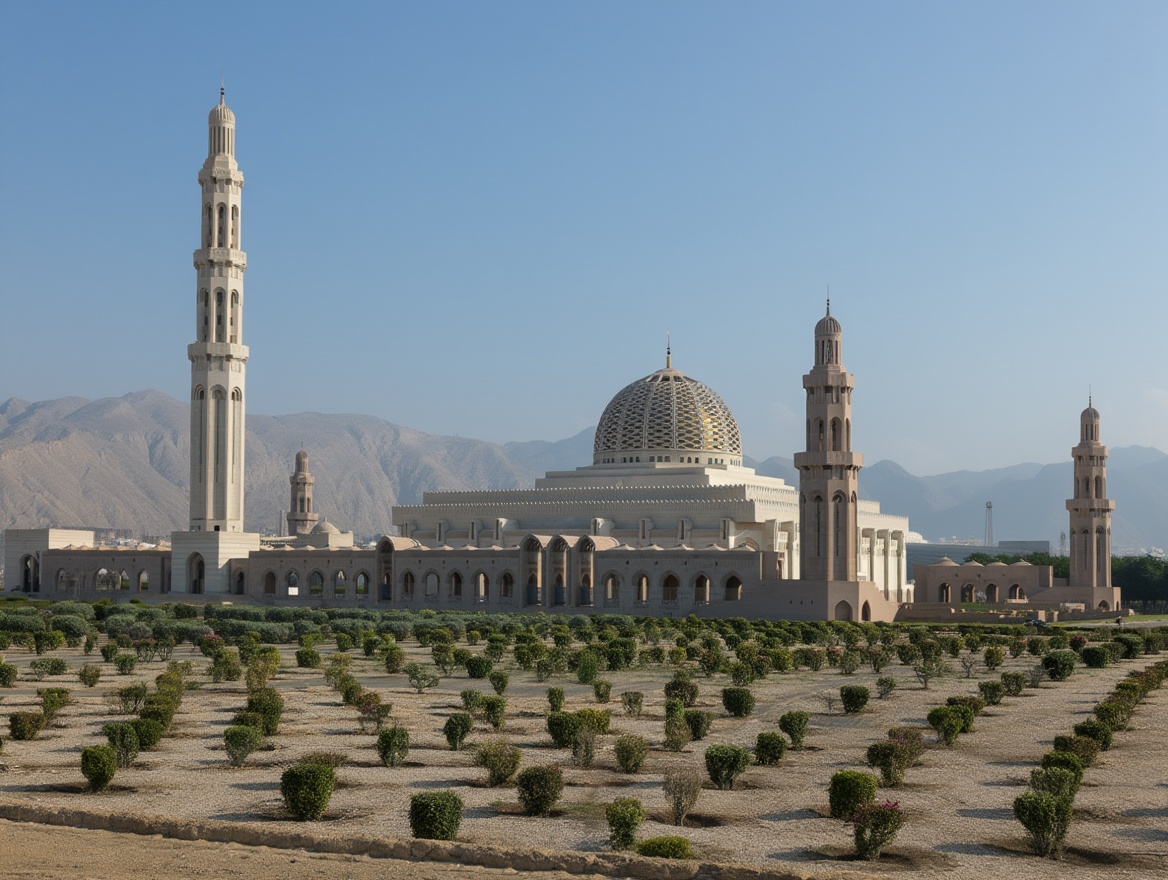
The mosque is the obvious one, and it deserves the reputation. This is one of the largest mosques in the world — the main prayer hall holds 20,000 people, the carpet inside is a single hand-woven piece, and the chandelier is the kind of thing that makes you stand still and stare upwards for longer than you intended.
Practical details:
– Open to non-Muslims: Saturday to Thursday, 8am–11am. Closed Friday and during prayer times.
– Entrance: free.
– Dress code is strict and non-negotiable: women need abaya (full robe) + headscarf, covering ankles and wrists. Men need long trousers and sleeves. The mosque lends abayas at the entrance, but they’re warm and not always the right size — bring your own if you have one.
– Go before 9am. By 10am the tour groups arrive. Before 9am the marble courtyard is quiet, the light is good, and you can sit in the gardens without navigating a crowd.
– Location: Al Ghubrah, roughly 20 minutes from Muttrah. You need a car or a taxi (7–10 OMR each way / £14–21).
•Daniel’s Honest Take
I’ve been a dozen times. I still look at the main prayer hall ceiling and find something new. The scale is genuinely impressive rather than just large. This is not box-ticking — it’s the one Muscat attraction that earns the visit. The early alarm call is worth it.
Muttrah Souq and the Corniche
Muttrah is the part of Muscat that feels like a place rather than a development. The old port district — Muttrah Fort on the hill, the Corniche waterfront, the souq behind it — has the kind of density and character that the rest of spread-out Muscat doesn’t.
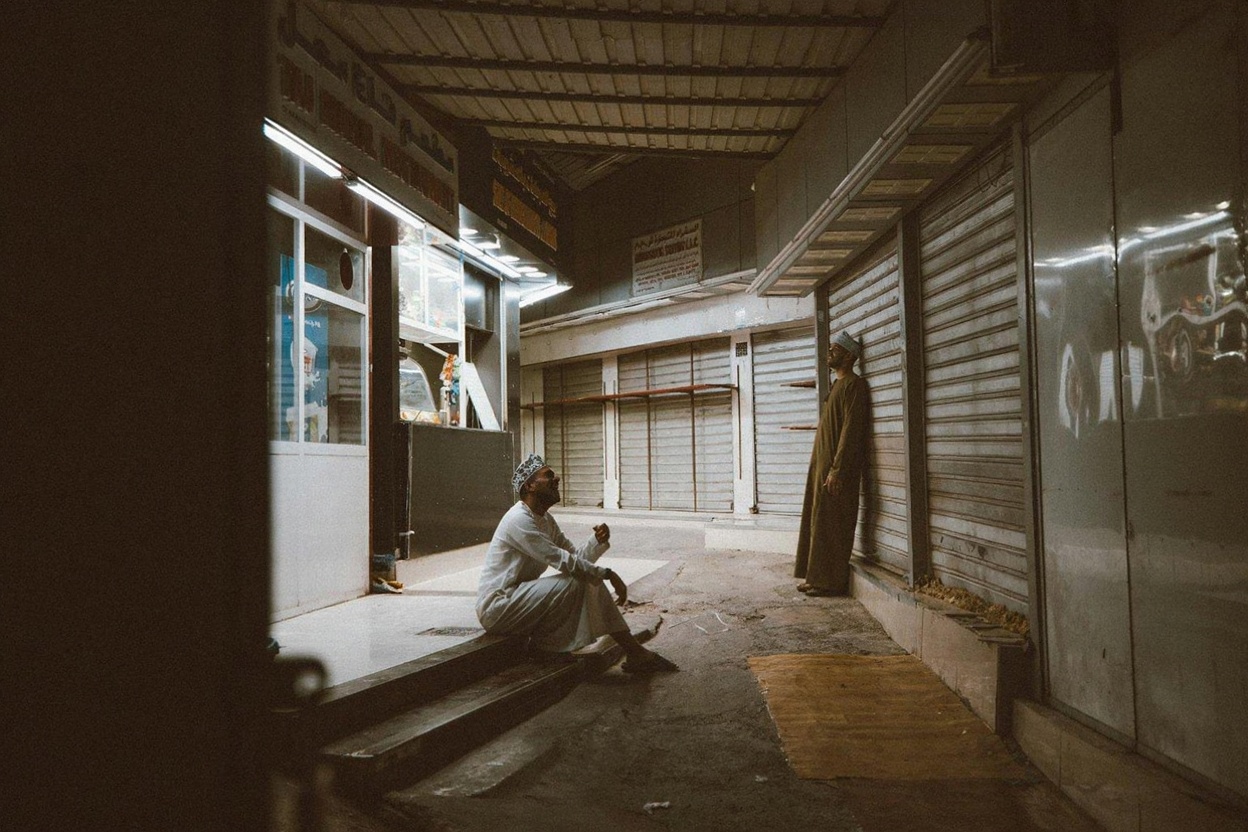
The Muttrah Souq (also spelled Mutrah) is the oldest souq in Oman. The covered alleys sell frankincense, silver jewellery, khanjar daggers, spices, textiles, and a lot of tourist-oriented brass. The tourist section is the front of the souq near the main entrance. Walk further in and the shops become less polished and more real — household goods, local spice stalls, the kind of thing the souq was actually built for.
What to buy:
– Frankincense (luban): Oman produces some of the best in the world. The Dhofari frankincense from the south is the quality product — ask for it specifically. 1 OMR (~£2.05) for a small bag of good quality resin. Don’t pay more than 3 OMR for anything you’re going to burn.
– Silver: Omani silver jewellery is the traditional craft. The khanjar (curved dagger) is the national symbol — a decent decorative one runs 15–40 OMR. Verify it’s actually silver before paying silver prices.
– Dates: not a souvenir exactly, but the date shops near Muttrah sell an absurd variety. The Khalas dates from Al Ghafl are the ones worth bringing home.
The Muttrah Corniche runs 3km along the waterfront. It’s a good early morning or evening walk — cool, with views of dhows in the harbour and the mountains behind. Avoid midday from May to September (the summer heat is genuinely uncomfortable outside).
Worth a stop: the Mutrah Fish Market sits at the northern end of the Corniche near the port. The hammour (grouper) and kingfish go fast — be there by 6am for the proper selection. If you miss the early market, the fish stalls along the Corniche road still sell decent produce through the morning.
Old Muscat — Al Alam Palace and the Forts
Old Muscat (Muscat Proper) is the historic district east of Muttrah, tucked into a bay between two forts. The Al Alam Palace sits at the centre — it’s the ceremonial palace of the Sultan, flanked by Jalali and Mirani forts from the Portuguese colonial period.
You can’t enter the palace or the forts (Jalali is a prison; Mirani is military). What you can do is walk the seafront promenade, look at the architecture from outside, and appreciate that this is the original settlement from which the whole sprawl of modern Muscat grew.
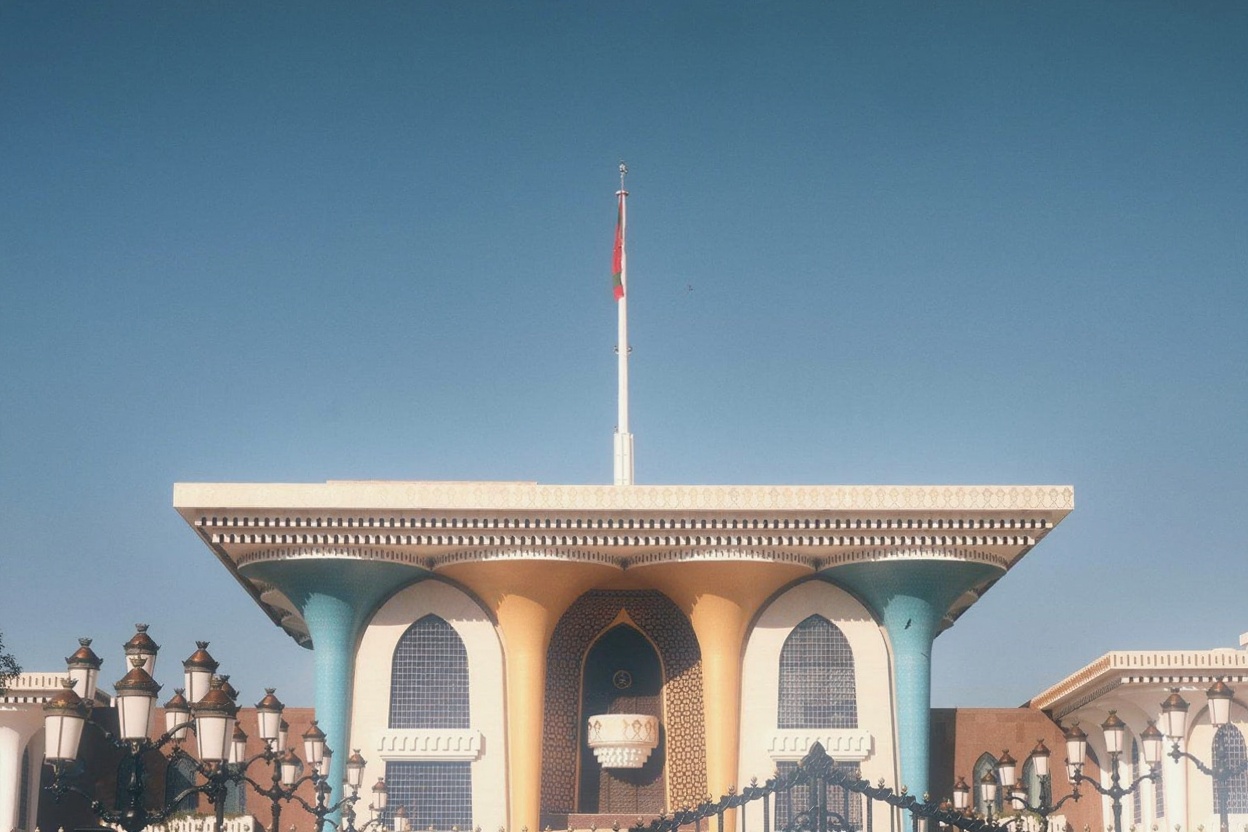
It takes about an hour to see Old Muscat properly. Combine it with Muttrah (20-minute walk along the Corniche or a quick drive) for a morning that covers the city’s actual history.
Worth your time: the Natural History Museum (Al Qurum Natural History Museum) — free entry, small but well-curated, with a good section on Oman’s geology and the mountain ecosystems. More useful context for the trip than it sounds.
Bait Al Zubair Museum
This is the museum worth visiting in Muscat. Private collection, well-presented, housed in a restored building in Old Muscat. The Bait Al Zubair covers Omani history through dress, weapons, silver, musical instruments, and artefacts spanning several centuries.
– Entry: 2 OMR (~£4.10)
– Open Saturday to Thursday: 9:30am–1pm and 4pm–7pm. Closed Friday.
– Allow 1.5–2 hours.
The khanjar collection is the highlight — Omani daggers ranging from functional working pieces to ceremonial objects encrusted with silver and gemstones. The textile section has pieces from different regions of Oman, which is worth time if you’ve been to the interior: you start to see how much variation there is in a relatively small country.
•DANIEL’S PICK
Bait Al Zubair over the Omani Museum every time. Better collection, better presentation, more context. If you’re spending one museum slot in Muscat, spend it here.
Royal Opera House Muscat
Oman has a world-class opera house. This surprised me too.
The Royal Opera House Muscat opened in 2011, built by Sultan Qaboos as a venue for international performances. The building itself — Moorish arches, Arabesque lattice, white marble — is one of the more beautiful performance spaces in the region.
If there’s a performance during your stay, go. Tickets range from 5 OMR to 30 OMR (~£10–62) depending on seat and show. The programme mixes international opera and classical music with Omani cultural performances. Check the website before your trip — the season runs October to May, with reduced summer programming.
If there’s no performance, the building is open for guided tours. 3 OMR (~£6.15), worth it for the main hall alone.
Qurum Beach and Al Mouj Marina
Muscat has beaches, and they’re generally clean and usable. The main ones for visitors:
Qurum Beach: the longest public beach in Muscat, backed by Qurum Park. Good for early morning or sunset walks. Swimming is possible but the waves can be choppy and there are no lifeguards. The beach restaurants along the strip are decent for a casual lunch — grilled fish, mezze, the usual spread.
Al Mouj Marina: the modern development east of the airport, with a marina, restaurants, and a walkable promenade. It’s polished rather than authentic, but it works well for an evening — the restaurants are better quality here than elsewhere in Muscat, and the Oman Sail waterfront is pleasant at sunset.
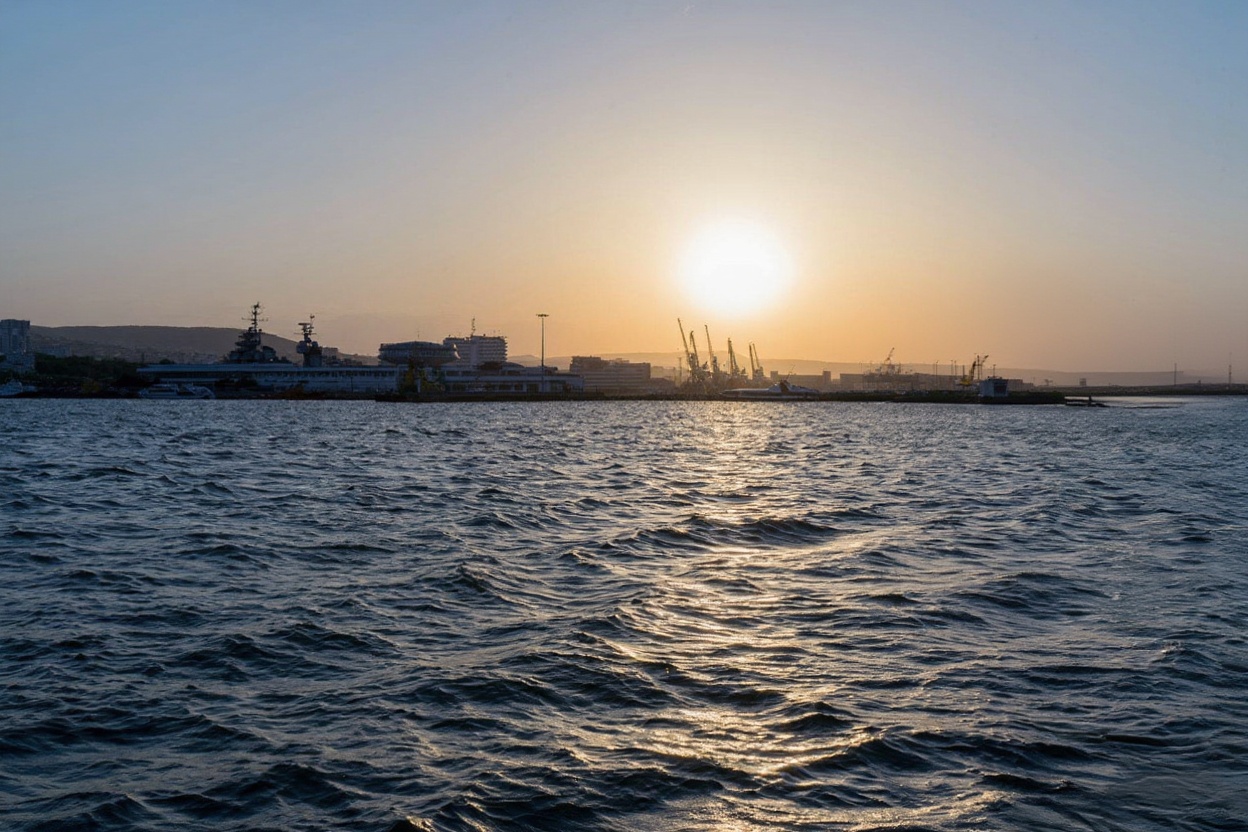
Bandar Jissah: the cove south of Old Muscat. Less crowded than Qurum, good snorkelling at the rocky edges, accessible by car in 20 minutes from Muttrah.
Day Trips From Muscat Worth the Drive
The best things near Muscat often aren’t in Muscat. These are the ones that earn the effort:
Bandar Khayran (1.5 hours south): a network of sheltered coves and islands on the coast south of Muscat. You need to hire a boat to explore — local operators at the landing at Sur Al Hadid offer hourly rentals (12–15 OMR / £25–31 for a small boat). Snorkelling is excellent. Turtles are possible. This is where residents go when they want a beach day that isn’t Qurum.
Daymaniyat Islands (2 hours, boat required): the premier diving and snorkelling destination near Muscat. Nature reserve, exceptional coral, sea turtles, dolphins on the boat out. Day tours from the Muscat coast run about 25–35 OMR (£51–72) per person including snorkel gear. Book in advance from October to May — it fills up.
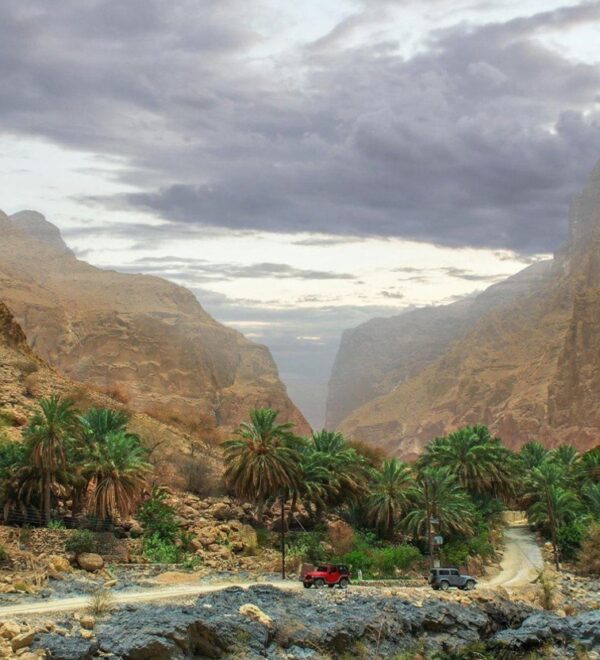
Wadi Al Khoud (45 minutes from Muscat): the closest decent wadi to the city. Not Wadi Shab (3 hours south) — this is a shorter, more accessible version with natural pools and good walking. Good if you have half a day rather than a full day. No entrance fee.
Nizwa (2 hours): if you have a full day, Nizwa is worth it. The old capital of Oman, dominated by its 17th-century fort, with a famous Friday livestock market (arrive by 8am) and date souq. The round tower fort is one of the best-preserved in Oman. Entry: 5 OMR (~£10.25).
•Worth Knowing
The drive to Nizwa through the Al Hajar mountains is half the point. The road climbs through dramatic limestone scenery. Stop at the Bidbid viewpoint (clearly signed, layby on the right going south) for the wide view across the valley. Don’t drive it in the dark — the road is good but the mountain section benefits from daylight.
What to Skip in Muscat
Right, here’s what the other guides won’t tell you:
The cable car at Qurum: short, expensive for what it is, and the view from the top is not dramatically better than the view from the Corniche. If someone puts it on an itinerary, skip it.
The touristy dhow cruises marketed to visitors on the Corniche: overpriced, crowded with package tourists, the food on board is mediocre. If you want a dhow experience, hire a local fishing boat at Bandar Jissah instead.
Malls: Muscat has several large malls (Muscat Grand Mall, City Centre Muscat). They are exactly what they look like. They are fine if you need air conditioning or a familiar coffee chain. They are not Oman.
The Riyam Park cable car: same as Qurum. Move on.
Practical Notes for Getting Around
Car hire: necessary if you want to see more than one district per day. Rates start at 15–20 OMR/day (£31–41) for a basic saloon. A 4WD is only needed for actual off-road wadi driving (Wadi Shab approach track, Wahiba Sands) — for everything on this list, a regular car is fine.
Taxis: available via the Mwasalat Taxi app or Otaxi. Airport to Muttrah is roughly 8–12 OMR (£16–25). Taxis between districts within the city: 5–8 OMR. Uber also operates in Muscat.
Heat: from May through September, plan outdoor activities before 9am or after 5pm. The midday heat (40°C+) is not the time to walk the Corniche. The mosques, museums, and malls are all air-conditioned; plan the outdoor sections of your day around the temperature.
Dress code: Muscat is more relaxed than the UAE but more conservative than Europe. Modest dress in the souq and at historical sites — shoulders and knees covered. The beach is fine in normal swimwear.
Friday: most souqs, some restaurants, and many government sites have different hours or reduced access on Friday (Oman’s holy day). The Grand Mosque is closed to non-Muslims on Fridays. Plan accordingly.
When to Visit Each Attraction (Best Times of Day and Year)
Muscat’s heat makes timing critical from May through September. Even outside the summer months, some attractions have narrow windows where the experience is significantly better. Here’s the practical breakdown.
Sultan Qaboos Grand Mosque:
– Best time: opening hour, 8–9am, any day except Friday. The marble courtyard in morning light before the tour groups arrive is the experience worth getting up early for.
– Worst time: 10–11am on Saturdays in peak season (October–April). Multiple tour buses. The courtyard becomes crowded and the main prayer hall has a queue.
– Season: the mosque visit is equally good year-round because it’s an indoor experience. In summer (May–September), arriving at 8am means you get back to your air-conditioned car before the outdoor heat becomes punishing.
Muttrah Souq:
– Best time: early evening, 5–8pm. The day’s heat has broken, the souq is lit, and the Corniche walk afterward is pleasant.
– Also good: early morning, 8–10am, when the market is stocking up and the tourist crowd hasn’t arrived.
– Avoid: Friday prayers (around noon–2pm) when many stalls close temporarily.
Muttrah Fish Market:
– Best time: 5:30–7am. The serious selection of hammour, kingfish, and snapper is sold first. By 9am the best fish is gone.
– This is a working fish market, not a tourist attraction — treat it accordingly. Don’t photograph vendors without asking.
Old Muscat and Al Alam Palace:
– Best time: early morning (8–10am) or late afternoon (4–6pm) when the light on the white buildings is warm rather than harsh.
– The promenade walk is unpleasant in summer midday — plan accordingly.
Bait Al Zubair Museum:
– Best time: morning session (9:30am–1pm). The museum is air-conditioned and a logical midday refuge in summer.
– Closed Friday all day. Check the afternoon reopening time (typically 4pm) if you plan an evening visit.
Best months to visit Muscat:
– November–February: best weather (22–28°C), everything is accessible. Peak tourist season — book accommodation in advance.
– March and October: excellent — warm but manageable, lower prices, fewer crowds. The sweet spots.
– April: getting warm (30–35°C by end of month). Outdoor activities still workable with early starts.
– May–September: extreme heat (38–45°C). Residents and expats who stay manage by doing everything before 9am and after 5pm. Not ideal for a first visit, but the wadis are accessible with planning, and prices drop significantly.
Nizwa day trip:
– Best time: Friday, leaving Muscat at 6am. The Friday livestock market at Nizwa runs 7–10am before the heat kills it. If you arrive at 9am you catch the end. The fort is quieter than weekends.
– Non-Friday visits: the souq is good any morning. The fort is open daily.
Combining Muscat Attractions into Logical Circuits
Muscat’s spread-out geography means planning matters. Random wandering doesn’t work here — the city isn’t built for it. These circuits are how I’d organise a 2–3 day visit.
Morning Circuit A (Old Muscat and Muttrah, 4–5 hours):
Start at the Grand Mosque (8am), spend 90 minutes. Drive to Muttrah (20 minutes). Walk the fish market, then into the souq (arrive by 10am before the heat peaks). Walk the Corniche to the Old Muscat waterfront and Al Alam Palace promenade. Have lunch at one of the restaurants on the Muttrah Corniche — the seafood places near the port do a reasonable grilled fish. Back to accommodation before noon if you’re visiting May–September.
Afternoon Circuit B (Museums and Culture, 3–4 hours):
Bait Al Zubair Museum (2–3pm after the afternoon reopening), then walk to the Royal Opera House for the building tour (3 OMR) if there’s no performance scheduled. If there’s a show in the evening, this circuit flows directly into it.
Day Trip Circuit (Nizwa or Wadi Al Khoud, full day):
Nizwa: leave Muscat at 6:30am, reach Nizwa by 8:30am. Friday livestock market (8–10am), then the fort (10am–noon, 5 OMR entry), then the date souq and old town streets, lunch in Nizwa, drive back arriving Muscat 4–5pm. Stop at the Bidbid viewpoint on the way back — 10 minutes, worth it.
Wadi Al Khoud alternative (shorter): leave Muscat at 7am, reach the wadi by 7:45am. Two to three hours walking the pools and canyon. Back in Muscat by noon before the heat becomes serious. Good for a half-day when you want the outdoors without the full Nizwa commitment.
Snorkelling day (Bandar Jissah, 4–5 hours):
Drive south from Old Muscat (20 minutes). Rocky cove with good snorkelling at the edges of the bay — bring your own mask and snorkel or hire from the beach operators (2–3 OMR). The water is cleanest before 10am when the motorboats start. Take a packed lunch — the beach kiosk is expensive. Come back before 1pm if you’re visiting in summer.
•Daniel’s Practical Note
Don’t try to combine Circuit A and a day trip on the same day. Muscat’s roads in the heat, after three hours of walking, with a two-hour Nizwa return drive, is how you end up having a bad time. Split the city sightseeing and the day trips onto different days.
- What are the best things to do in Muscat in one day?
- For one day: start at the Sultan Qaboos Grand Mosque (8–9:30am, free), then drive to Muttrah for the Souq and Corniche (10am–noon), walk the old port area, eat lunch at a local restaurant near Muttrah. Afternoon: Bait Al Zubair Museum (2 OMR) in Old Muscat, then Al Alam Palace waterfront. Evening at Al Mouj Marina for dinner. You need a hire car or a taxi willing to do a city tour — do not try to walk between these areas.
- Is the Sultan Qaboos Grand Mosque worth visiting?
- Yes, genuinely. It’s one of the largest mosques in the world, the interior is exceptional, and entrance is free. Open to non-Muslims Saturday to Thursday, 8am–11am only. Dress code is strict: women need full abaya and headscarf, men need long sleeves and trousers. Go before 9am to avoid tour groups. This is the one thing in Muscat that earns the superlatives.
- What are the best day trips from Muscat?
- For half a day: Wadi Al Khoud (45 minutes, natural pools, free). For a full day: Nizwa (2 hours, the old capital, fort, Friday livestock market) or Bandar Khayran coves (1.5 hours, hire a boat, snorkelling). For diving/snorkelling: Daymaniyat Islands (boat required, 25–35 OMR/person). If you have two full days to spare and can drive south: Wadi Shab (3 hours) is the best single thing within reach of Muscat.
- Do I need a car in Muscat?
- For anything beyond one or two sites, yes. Muscat covers 150km of coastline with no meaningful public transport between districts. A hire car from 15–20 OMR/day (£31–41) is the practical solution. Taxis work for short within-district trips (5–8 OMR) and the Mwasalat Taxi app is reliable. Uber also operates. Walking between the main tourist areas (Muttrah, Old Muscat, Sultan Qaboos Mosque, Al Mouj) is not practical.
- What is the best time to visit Muscat?
- October to April. The weather is 20–30°C, comfortable for outdoor activities, and all the wadis and day trips are accessible. May to September: temperatures reach 40–45°C, outdoor activities are limited to early morning and evening, and the humidity on the coast makes it genuinely uncomfortable. November to February is the peak tourist season for good reason. March and October are excellent — fewer crowds, good prices, good weather.
- Is Muscat expensive for tourists?
- Moderate. The Omani rial is a strong currency (1 OMR ≈ £2.05 / $2.60) so prices feel reasonable until you do the conversion. A local restaurant meal: 3–5 OMR (~£6–10). A good restaurant: 10–20 OMR. Car hire: 15–20 OMR/day. Museum entry: 2–5 OMR. The Grand Mosque, Corniche, and most beaches are free. Budget roughly 30–50 OMR/day (£60–100) for accommodation, food, and activities without a tour package.
Hidden Local Spots in Muscat Worth Knowing About
Three years of living here means I’ve found some things that don’t make it into the standard Muscat guides. These aren’t dramatic discoveries, but they’re the kind of specific knowledge that makes a Muscat visit better.
The morning fish auctions at Muttrah port (5:30–7am): The official Muttrah fish market is the commercial face of what starts earlier and less visibly: wholesale auctions on the dock where fishing boats unload directly into buyers’ trucks. Arrive at the dockside area (past the ornamental boats, toward the working port) before 6am and you’ll see the auctioneer working through boxes of hammour, kingfish, and shark. No tourist infrastructure. No entry fee. The fishermen won’t mind you watching. This is the most honest version of the Muttrah waterfront.
Al Riyam Park viewpoint (free, best at dusk): Al Riyam Park sits on the hill above Muttrah, just past the fort. The park itself is nothing special — a family picnic area — but the viewpoint at the top looks back across Muttrah Bay, the Corniche, and the old port in a wide sweep that most visitors never see because it requires a short walk uphill. Best at golden hour, around 5:30–6pm in winter. Free entry. Worth the 15-minute detour from the Corniche walk.
The Mutrah area back streets — copper and silver workshops: The alleyways behind Mutrah Souq (inland from the main souq entrance, not toward the Corniche) house a cluster of working craftsmen — copper beaters, silver smiths, and incense burners — who supply both the souq stalls and the wholesale market. Walk this way in the morning and you’ll hear the metalwork before you see it. Nothing to buy necessarily (the pieces are wholesale and mostly not for individual sale), but the working workshops give the commercial souq context that the display-case version doesn’t.
Qurum Natural History Museum (free, worth 45 minutes): Tucked into the Qurum district, this small government museum covers Oman’s natural history — geology, marine life, and the desert ecosystems. It’s free, largely unvisited by tourists, and well-curated enough to give context for the wadis and the desert that make subsequent days in Oman more interesting. The geology section explains why the wadis are turquoise (limestone filtration), which is a piece of information that makes the water colour more interesting than “it’s just pretty.”