Salalah, Oman: The Khareef Season Guide and What to Do Year-Round
Updated June 2026 — Salalah, Oman is the gateway to the khareef monsoon season and Dhofar’s frankincense route. By Daniel Marsh, three years based in Muscat, three visits to Salalah including one July khareef trip. All prices and transport options verified June 2026.
Salalah is 1,000km from Muscat — a 10-hour drive or a 90-minute flight. Most visitors fly (Oman Air, from 25 OMR / £51 each way). The city itself is pleasant without being remarkable. What surrounds it — the green khareef hills, Wadi Darbat with its waterfall and lake, the frankincense trees at Wadi Dawkah, the Al Mughsail beach with its blowholes — is genuinely worth the trip from Muscat. Here’s how to plan it properly, including whether to go during the khareef or outside it.
The Khareef: What It Actually Is
The khareef (say: kha-REEF — meaning “autumn” in Arabic, but locally it refers specifically to the monsoon) is a weather system that brings moisture from the Indian Ocean to Dhofar governorate from approximately June to early September each year.
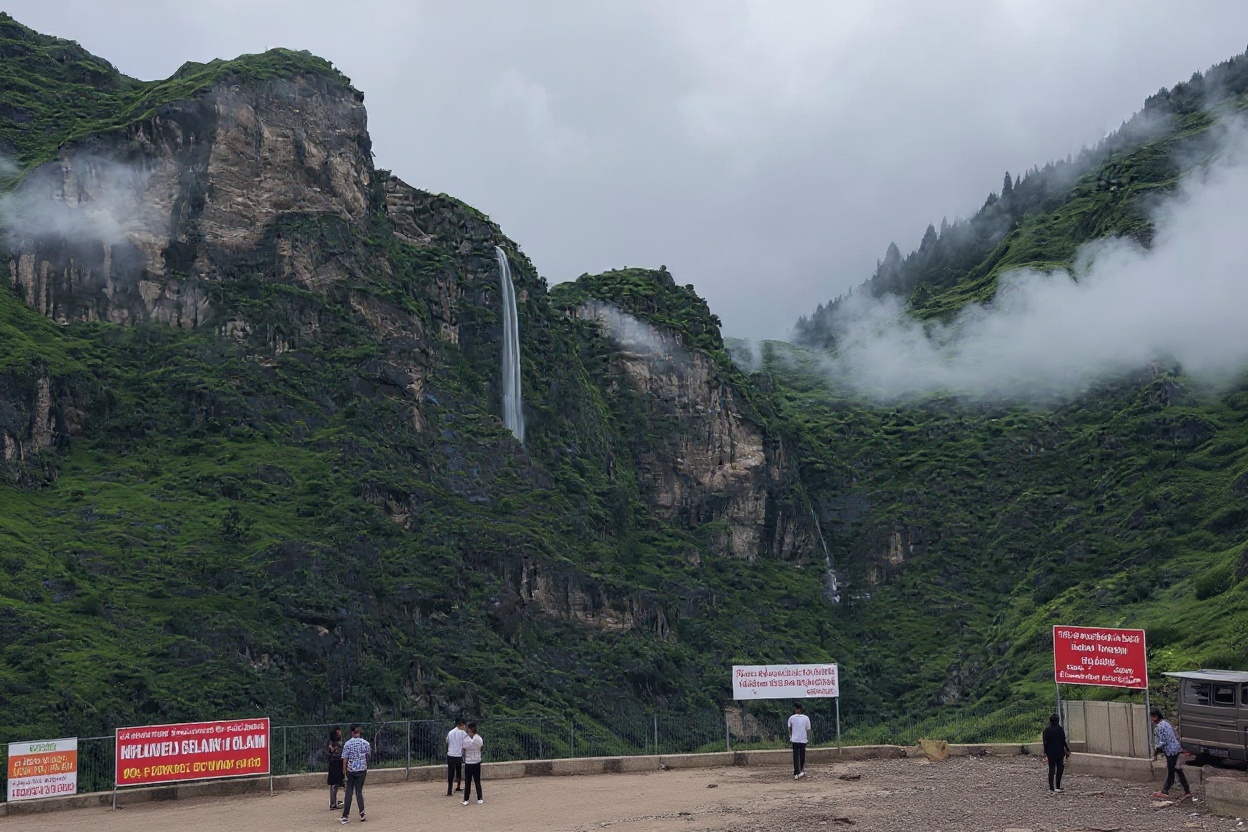
The result: while the rest of Oman and the wider Gulf region sits at 40–45°C and dry, the hills around Salalah turn green. Waterfalls flow. Wadi Darbat fills with water. The road through the Dhofar mountains passes through mist and cloud forest. Temperatures drop to 22–28°C. Omani families drive from Muscat specifically to experience cool air and rain — something they genuinely don’t get at home.
For international visitors, the khareef is the compelling reason to come in summer rather than waiting for cooler months elsewhere. The trade-off: visibility is often low in the hills (the mist is the point, but it obscures views), accommodation prices are higher in July–August (peak domestic season), and some roads into the mountains can be affected by rain.
The honest verdict: khareef Salalah is a specific and unusual experience — a green monsoon season in Arabia — that is worth doing once. If you’ve already done it or you’re primarily interested in the beaches, wadis, and frankincense history, November to March is the more comfortable visit.
Wadi Darbat: The Khareef Centrepiece
Wadi Darbat is a valley 40km east of Salalah that, during the khareef, transforms from a dry limestone wadi into a green lake surrounded by misty cliffs with a waterfall feeding it from above. Outside khareef, the lake may be significantly reduced or absent depending on the previous season’s rain.
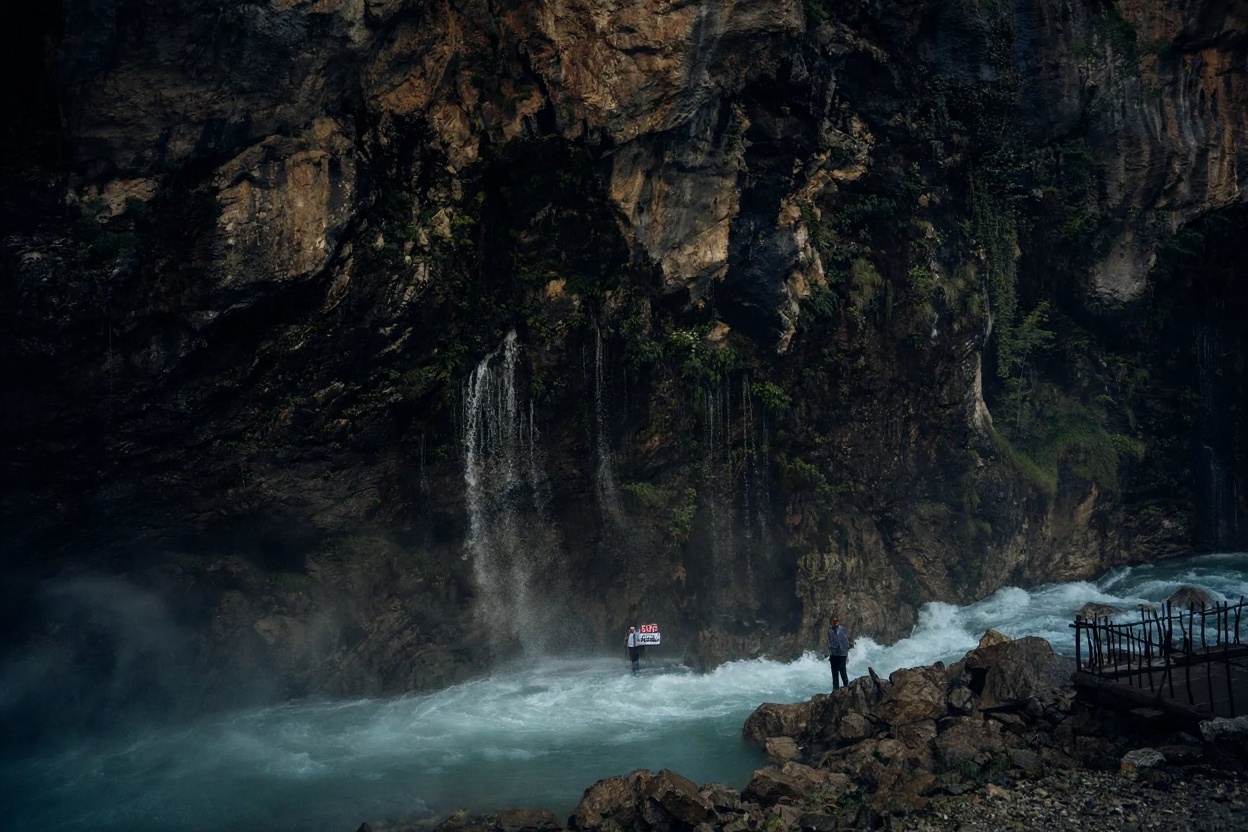
Entry: free. The drive from Salalah takes about 45 minutes on paved road — a regular car handles it fine in dry conditions; in heavy khareef rain, a 4WD is more comfortable. The viewpoint over the lake is accessible by foot from the car park (10–15 minutes on a clear path). During khareef, cattle and camels graze on the surrounding green hills alongside the road — a genuinely surreal sight in the context of Oman.
The waterfall (flowing actively in khareef only) is visible from the lake edge. You can also hike down to the wadi floor — about 30 minutes each way on a steep rocky path. Good shoes required. In July–August, the path is wet and requires care.
Daniel’s honest take: Wadi Darbat in khareef is the image from the Salalah tourism posters — green hills, mist, waterfall, lake. It earns those photos. In November, it’s a drier valley with a smaller lake and no waterfall, which is still scenic but not remarkable. If you’re visiting outside khareef and Wadi Darbat is the primary draw, reconsider your timing. If you’re visiting for other reasons in winter, it’s worth an hour detour to see what it looks like without the water.
| Salalah Quick Facts | |
|---|---|
| Distance from Muscat | ~1,000km — 90 min by Oman Air (from 25 OMR / £51 one-way) |
| Khareef season | June–early September — green hills, mist, 22–28°C |
| Best non-khareef | October–March — clear, 26–32°C, beaches and wadis |
| Wadi Darbat | 40km east, free, regular car in dry season — 4WD advised in heavy rain |
| Al Mughsail Beach | 40km west, free — blowholes active Oct–May |
| Frankincense trees | Wadi Dawkah, 40km north — free UNESCO site |
| City accommodation | Hilton Salalah (flagship, 60–90 OMR/night), budget options 15–30 OMR |
| Car hire | Essential — 10–18 OMR/day for a regular car from Salalah airport |
Al Mughsail Beach and the Blowholes
Al Mughsail is a white sand beach 40km west of Salalah with a specific attraction: limestone blowholes on the cliff edge at the western end of the beach that spray seawater up to 30 metres in the air when the wave conditions are right.
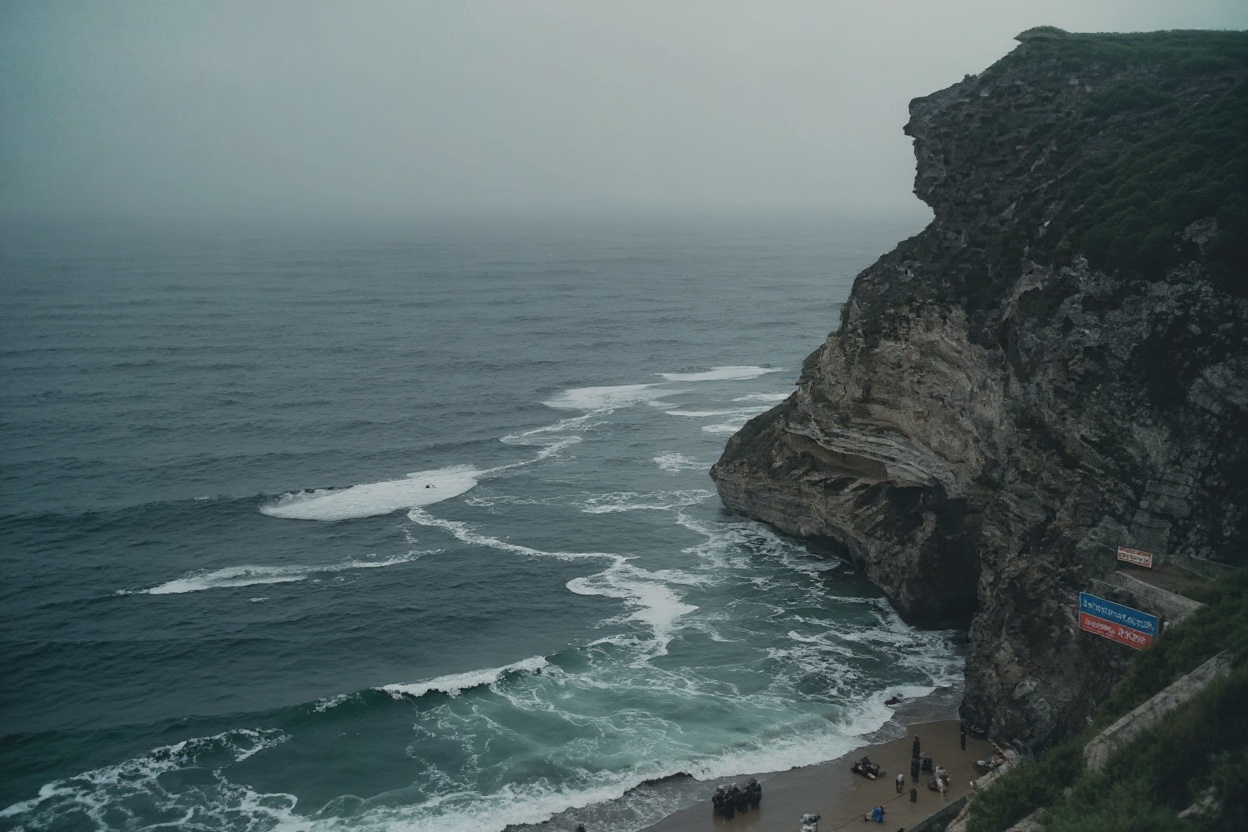
The blowholes are most active between October and May when the swell is higher. During khareef, the sea is rougher and the beach itself is less swimmable, though the blowholes may still fire. The best conditions: a day after a weather system has passed through — the residual swell hits the limestone shelf and the holes do their thing. On calm days in peak summer, they barely register.
The beach itself is one of the better swimming beaches near Salalah — long, clean, with shallow entry and consistent sand underfoot. The drive from Salalah follows the coast road past a series of smaller coves and sea-stacks. Worth doing as an afternoon trip rather than a dedicated day.
Entry: free. Facilities: a small café at the car park, clean toilets. No sunbed hire. Bring your own shade.
The Frankincense Route: Wadi Dawkah and Al Balid
Oman is one of the world’s primary producers of frankincense — the Boswellia sacra tree that grows specifically in the limestone hills of Dhofar. The frankincense trade route connected Salalah to the Mediterranean for millennia and is now a UNESCO World Heritage Site. Two places in the Salalah region are worth visiting for this history:
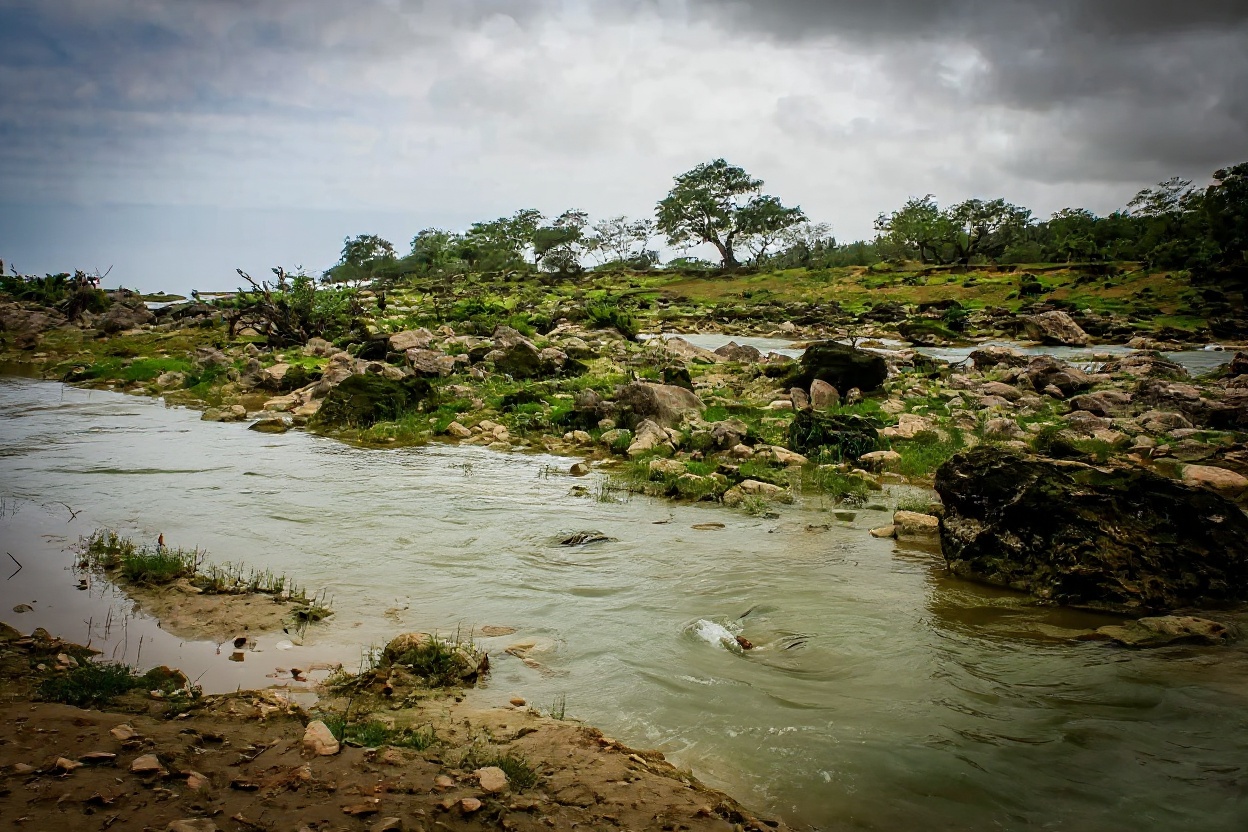
Wadi Dawkah — a valley 40km north of Salalah with several hundred ancient Boswellia sacra trees, some estimated to be 500+ years old. Entry: 1 OMR (£2.05 / $2.60). The trees are gnarled, low-growing, and visually unimpressive until you understand what they are — each one a source of the resin that funded civilisations and flavoured religious ceremonies across the ancient world. A small visitor centre explains the harvesting process (tapping the bark, collecting the hardened resin). Best in October–March when the trees are most active in resin production. Regular car, paved road.
Al Balid Archaeological Park — the ruins of the ancient port city of Sumhuram, a significant frankincense trading hub from the 3rd century BC through the medieval period. Located at the eastern edge of Salalah city. Entry: 2 OMR (£4.10 / $5.20). The site includes a museum with frankincense trade artefacts, restored ruins, and walking paths through the excavations. Allow 1.5–2 hours. The museum is air-conditioned and the best place to understand the historical context before driving to Wadi Dawkah.
Salalah City: The Frankincense Souq and What to See
The city of Salalah is a mid-sized Omani city — clean, relatively quiet, with a grid of wide roads and a functioning souq district. It doesn’t require more than half a day to cover the main sights within the city itself, which is fine because the reason to be here is the surrounding landscape, not the urban fabric.
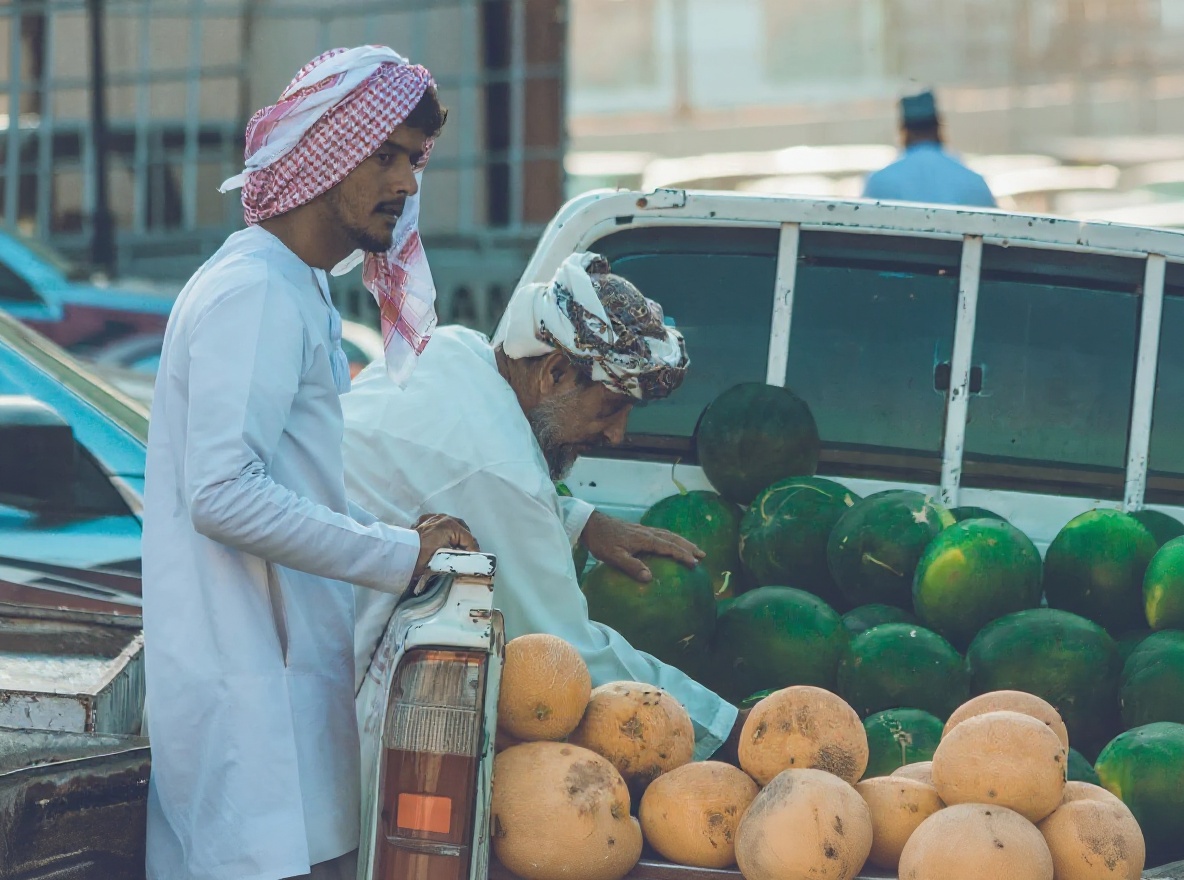
The Al Husn Souq (also called the Salalah Souq or the Frankincense Market) is in the city centre and is the place to buy frankincense without the tourist markup. The resin is sold in grades — higher quality grades are lighter in colour, produce a cleaner smoke, and cost more. Expect to pay 1–5 OMR for a bag depending on grade and weight. Sellers will generally let you smell before buying. The souq also sells rose water, frankincense-based cosmetics, and the small charcoal burners (mabkharas) used to burn the resin. If you have luggage space, a mabkhara and 100 grams of high-grade frankincense (2–3 OMR) makes a practical and genuinely useful purchase rather than a decorative one.
Job’s Tomb (Nabi Ayyub in Arabic) sits on a hill 6km north of the city centre — the site is a small white mosque marking where the Prophet Job is traditionally believed to have been buried. Entry: free. The view from the hilltop across Salalah and the coast is the primary reason to go. Combine it with the drive north toward Wadi Dawkah the same day — the road passes near the hill before continuing into the Dhofar mountains.
The Salalah Beach Walk runs along the corniche east of the city — a paved waterfront promenade that’s most pleasant in the early morning or after sunset. Not spectacular by the standards of the wadis and mountains, but useful for an evening stroll and getting a sense of how the city faces the sea. Several restaurants and cafés line the corniche. A meal here in the early evening, watching the fishing boats and the coast road, is a reasonable way to end a day that started at Wadi Darbat or Al Mughsail.
The Dhofar Mountain Drive
The Dhofar mountains begin immediately north of Salalah and, in khareef season, are the setting for the cloud forest effect that makes the region distinctive. The Salalah-to-Thumrait road (Route 49) climbs from sea level into the mountains in about 30 minutes, passing through the zone where the khareef mist and the desert meet — a literal cloud line where you can drive from green and misty into clear, dry, 40°C desert within a kilometre.
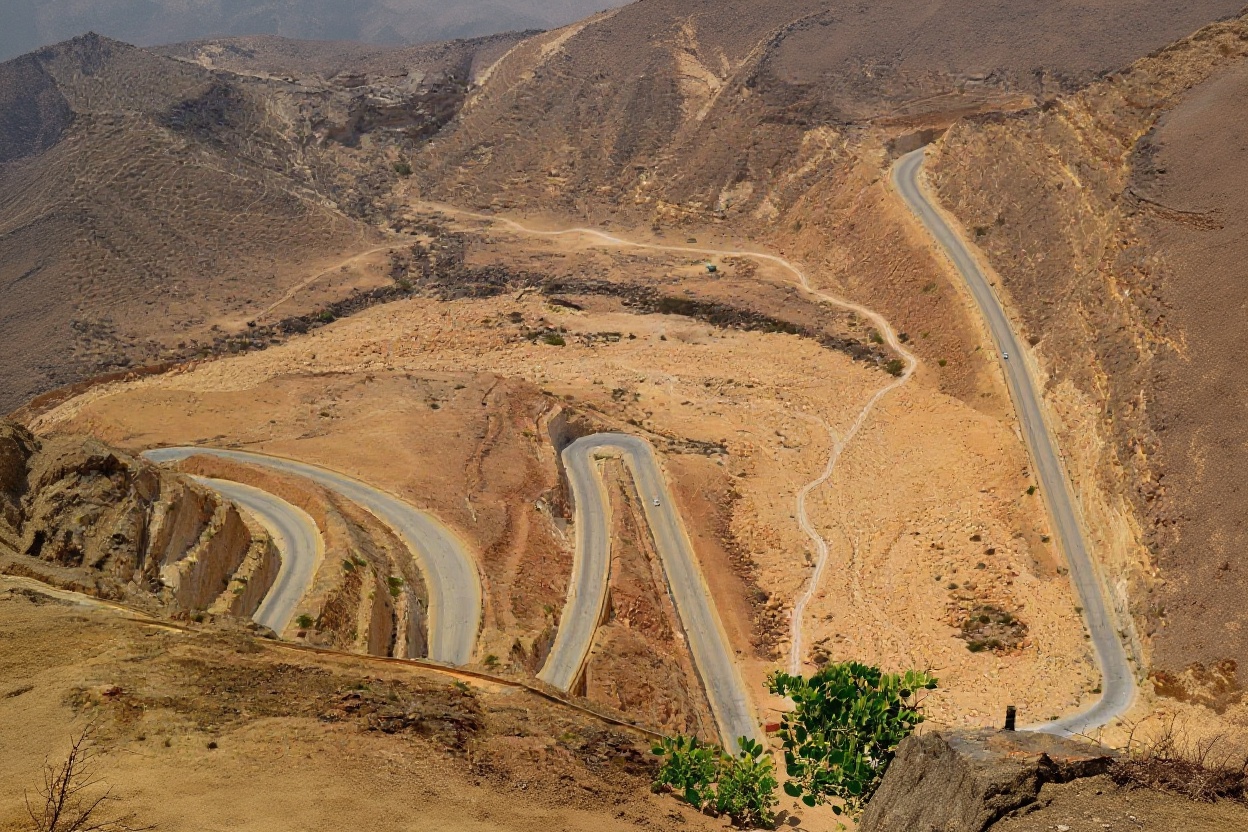
Outside khareef, the mountains are limestone and scrub — interesting for the geology and the views back toward Salalah and the coast, but not the cloud forest. The drive to Wadi Dawkah follows Route 49 for about 20km before turning onto a side road. Most visitors do the mountain drive as part of the Wadi Dawkah day rather than as a separate activity.
If you have four days in Salalah, a drive further into the interior to Mirbat (90km east, a small historical coastal town with an old fort and a beach) adds variety on day four without requiring off-road capability. The road is paved the full distance. Mirbat was the site of a significant 1972 battle during the Dhofar Rebellion — a brief but well-documented military engagement. The fort and the town are quiet and largely unvisited by tourists, which makes it a worthwhile half-day if you’ve already covered the main sites.
Where to Stay in Salalah
Salalah has a wider accommodation range than most Oman destinations outside Muscat, partly because of the domestic khareef tourism that fills it every July and August.
Hilton Salalah Resort — the flagship hotel, directly on the beach east of the city. Doubles 60–90 OMR (£123–185) in peak khareef season, 40–60 OMR in quieter months. Pool, beach access, several restaurants. The location between the city and Wadi Darbat works well for exploring both. Book 2–3 months ahead for July and August.
Juweira Boutique Hotel — smaller, marina-adjacent, doubles 45–65 OMR. Better value than the Hilton for people who aren’t specifically there for the resort beach. The marina location puts you close to Salalah’s better restaurants.
Budget options: Several guesthouses and cheaper hotels cluster near the Salalah souq and city centre, from 12–25 OMR per night. Al Hanaa Hotel and similar properties are clean and functional — fine if you’re spending all day in the wadis and need somewhere basic to sleep. No pools, limited English at reception, perfectly adequate.
What to Eat in Salalah
Salalah’s food scene reflects its position as a city with both Omani and East African cultural influences — the Dhofar region had stronger historical ties to Zanzibar and the East African coast than to northern Oman, and the food shows it. Dishes appear here that you won’t find in Muscat restaurants: rice and meat cooked with coconut milk, heavily spiced fish preparations, and a widespread use of tamarind in sauces.
Bin Ateeq Restaurant is the standard recommendation for Omani food in Salalah — a local chain that does shuwa (slow-cooked marinated lamb), harees (wheat and meat porridge), and grilled fish at prices that are genuinely cheap (a full meal 2–4 OMR per person). The branch near the Salalah corniche is reliable. Cash only, no reservations, order at the counter.
The hotel restaurants at the Hilton Salalah are more expensive (20–40 OMR for two with drinks) and international in character — useful if you want a reliable air-conditioned meal but not the place to find Dhofari cooking. The better option for a mid-range sit-down meal is along the marina near Juweira Hotel, where several restaurants serve grilled seafood at 8–15 OMR per main.
For breakfast: the Salalah Souq area has several small bakeries and tea shops that open early — the standard Omani breakfast of khabeesa (a sweet semolina pudding), dates, and sweetened tea is available for 1–2 OMR. Khareef season brings street food vendors into the central city in the evenings — a circuit of the souq area after dark in July or August is worth doing for the atmosphere and the kebabs and grilled corn on offer.
Getting Around Salalah
A hire car is not optional in Salalah — it’s the difference between seeing the city and seeing the region. The airport has all major hire car companies; 10–18 OMR per day for a standard saloon. A regular car handles every site mentioned in this guide in dry conditions. During heavy khareef rain, a 4WD is more comfortable for the hill roads but not strictly necessary for the main routes.
Taxis exist in the city for short hops (2–5 OMR for most city journeys) but are not practical for reaching Wadi Darbat, Al Mughsail, or Wadi Dawkah without negotiating a full-day rate (25–40 OMR) which is more expensive than a hire car and less flexible.
Petrol in Oman: 0.170 OMR per litre (about £0.35 / $0.44). The road-trip economics are extremely good. A full tank for a saloon car costs roughly 6–8 OMR. Fill up at the Salalah airport petrol station before heading into the wadis.
The overnight bus from Muscat to Salalah (operated by Oman National Transport Company) departs Muscat’s main bus station around 8–9pm and arrives in Salalah approximately 10 hours later, around 6–7am. Ticket price: 10–12 OMR (£20–25) one-way. The bus is air-conditioned and the overnight timing means you lose no usable daylight hours to travel — arrive at dawn, pick up a hire car at the Salalah bus station or take a taxi to your hotel, and start exploring. A practical option if you want to avoid flying and have time to spare. The return bus from Salalah departs in the evening as well.
The Mistake Daniel Made in Salalah
My first khareef trip, I booked flights in early June — technically the start of the season — and arrived to find the hills were brown. The rains hadn’t come yet. I drove to Wadi Darbat and found a dry valley.
The khareef doesn’t follow a calendar — it follows weather patterns. Early June is unreliable. Mid-July to mid-August is the peak, when the monsoon has properly established itself and the hills are definitely green. Late August and early September are also good, and the crowds have thinned slightly from the July peak.
If you’re visiting specifically for the khareef green, book for late July or the first week of August. Check the Dhofar Tourism Instagram the week before travel — they post current conditions and it’s the most reliable real-time indicator of whether the hills are actually green. A dry khareef is not uncommon and is nobody’s fault, but it’s worth knowing before you book non-refundable flights.
- How do I get from Muscat to Salalah?
- Fly — Oman Air runs multiple daily flights from Muscat to Salalah airport, from 25 OMR (£51) one-way, 90 minutes. Driving is 1,000km and 9–10 hours on good but monotonous highway — worth it only if you’re combining Salalah with other stops (Wahiba Sands, Sur) on an extended road trip. Car hire from Salalah airport is straightforward and essential — pick up at the airport on arrival.
- When is the best time to visit Salalah?
- Two distinct windows. Khareef (mid-July to August): green hills, mist, cooler temperatures — the unique monsoon experience. October to March: clear skies, beach season, Wadi Darbat accessible but drier, better for Al Mughsail blowholes. Avoid early June (khareef not yet established), September (winding down, can be either), and April–May (peak heat, no khareef).
- Do I need a 4WD in Salalah?
- No — in dry season, all major sites (Wadi Darbat, Al Mughsail, Wadi Dawkah, Al Balid) are accessible by regular saloon car on paved roads. During heavy khareef rain, a 4WD gives more confidence on slick hill roads but isn’t required for the main tourist routes. If you’re planning off-road into the Dhofar mountains or staying somewhere remote, upgrade to 4WD.
- How many days do I need in Salalah?
- Three to four days is right. Day 1: Al Balid museum + Salalah city + frankincense market at the souq. Day 2: Wadi Darbat + eastern coast drives. Day 3: Al Mughsail beach + western blowholes. Day 4 (optional): Wadi Dawkah frankincense trees + drive into the Dhofar mountains. Flying in and out of Salalah airport makes 3-day stays efficient without needing to rush.
- Is Salalah worth visiting outside the khareef season?
- Yes. The khareef is the unique draw but the beaches (Al Mughsail, Fazayah further west), the frankincense history, and the wadi landscape are all present year-round. November to March has better beach weather, clearer views, and lower accommodation prices than the khareef peak. If you’re visiting Oman in winter, Salalah as a 3-day add-on is entirely justified on the merits without the monsoon.
That’s Salalah. Three days, a hire car, and a late July booking if you want the green hills. The frankincense trees at Wadi Dawkah and the blowholes at Al Mughsail are worth the trip even without the khareef. Questions in the comments — I check them.
The practical answer to “should I go to Salalah?” is almost always yes — the only question is timing. The 90-minute Oman Air flight from Muscat makes it easy to add as a three-day extension to any Oman trip, and the combination of frankincense history, coastal landscape, and the seasonal khareef transformation gives Salalah a different character from the northern part of the country. Oman without Dhofar is incomplete. Dhofar in July, with the cloud line visible from the Salalah-Thumrait road — green on one side, brown desert on the other — is one of the more unusual weather experiences I’ve had anywhere. Worth the detour from Muscat. Worth planning your visit around if the timing can align with mid-July to August.