Last updated: June 2026 — based on three years living in Muscat.
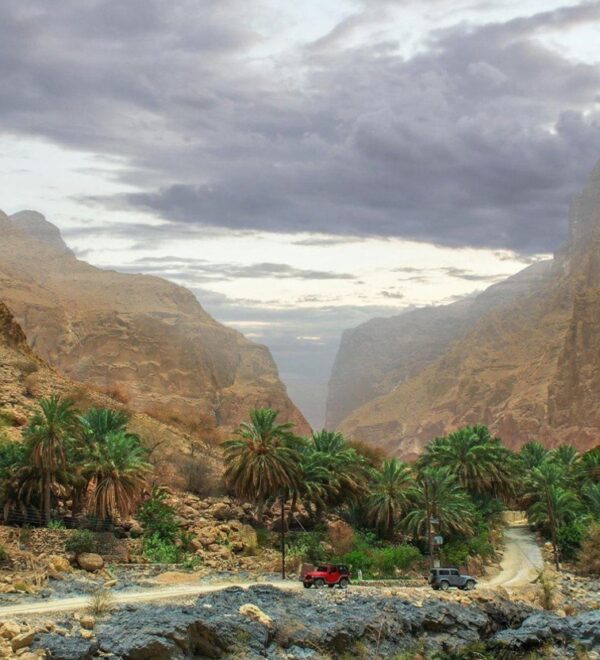
I’ve been in Muscat three years. I’ve done every season now — the comfortable January wadi trips, the June where I drove to Wadi Bani Khalid at 6am to beat the heat, the October where Wahiba Sands was finally campable again. Here’s what the month-by-month reality actually looks like.
Oman Weather at a Glance
October to March: The Main Season (And Why January Is the Sweet Spot)
This is the window everyone means when they say “best time to visit Oman,” and it’s correct. The coastal temperatures in Muscat run 22–30°C from November to February — warm enough to swim, cool enough to hike in the afternoon without it being a significant ordeal.
January and February are the peak months. The Jebel Akhdar rose gardens are in bloom (February specifically — the Damask roses that the region is famous for). Wahiba Sands is campable without it being a midnight sweat session. The wadis have their highest water levels from whatever winter rain has fallen in the mountains. It’s genuinely excellent.
The tradeoff: peak season prices apply. Hotels in Muscat run 15–25% more expensive in January than in October or March. Wahiba Sands camps are fully booked if you don’t plan ahead. The major tourist sites — Grand Mosque, Nizwa Fort, Mutrah Souq — have their highest visitor numbers. None of this is a deal-breaker; Oman doesn’t have the cruise ship problem that some coastal destinations have. But booking ahead matters.
•DANIEL’S PICK
Late October or early November is my actual preferred window. Crowds are thinner than January, hotel prices are 10–20% lower, and the temperatures are still completely comfortable — 28–32°C in Muscat, meaningfully cooler in the mountains. The wadis are good, Wahiba is campable, and you haven’t got half of Europe there for the same reasons you are. Book October if January is full or expensive.
April and May: Shoulder Season — Hot but Manageable
April is the transition month. Muscat temperatures rise from the January comfort zone toward 36°C by late April. The wadis are still good — Wadi Shab and Wadi Bani Khalid are actually excellent because the winter rains have fully recharged the pools — but hiking in the afternoon heat requires more planning. Early morning starts (before 8am) and late afternoon finishes (after 4pm) are the pattern.
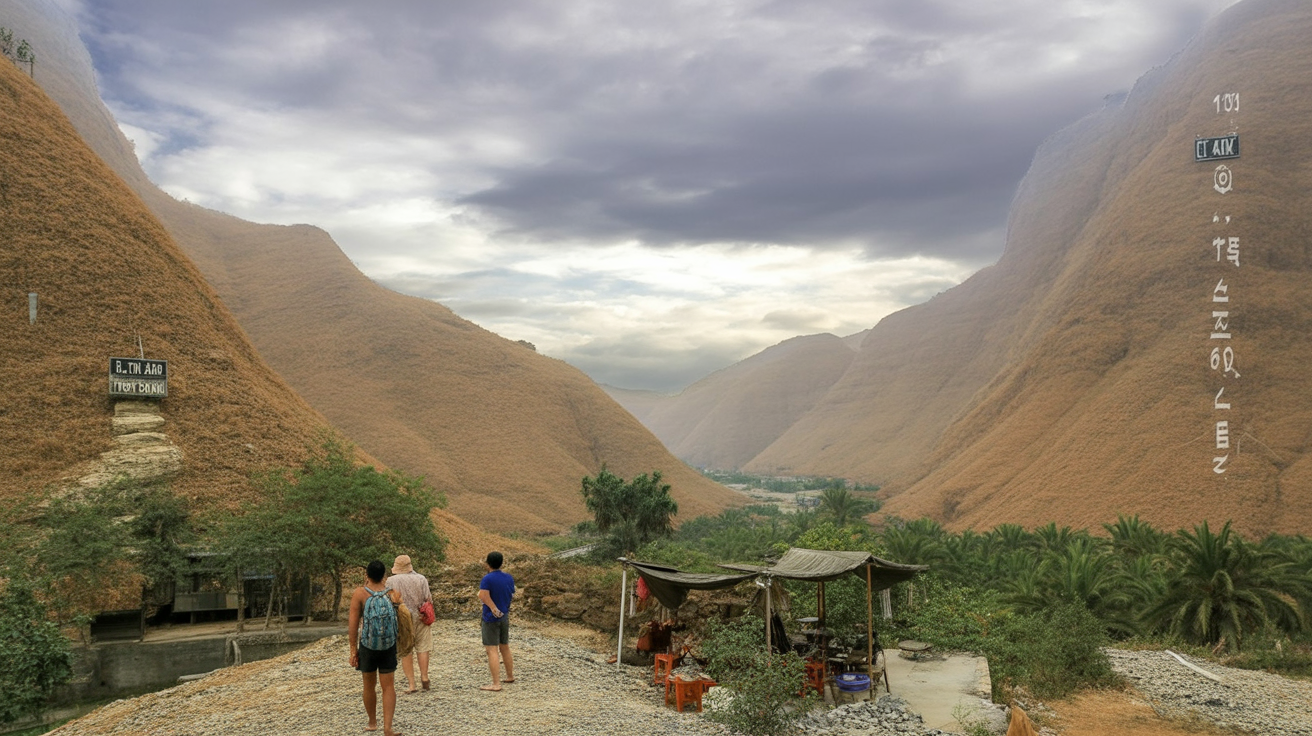
May is the budget window. Temperatures push 40°C and hotel occupancy drops significantly. A mid-range hotel in Muscat that costs 35–45 OMR (~£72–92 / ~$91–117) in January drops to 25–30 OMR (~£51–62 / ~$65–78) in May. If your itinerary is wadi-swimming (cold water, shaded gorges) and you’re comfortable with early morning starts, May in Oman is genuinely good value. The wadis themselves are unaffected by air temperature — the water in Wadi Shab’s cave pool is cold regardless of what the thermometer says outside.
I drove to Wadi Bani Khalid on a May Friday, left Muscat at 5:30am, arrived at the pools by 8am, swam until 10am, was back in the car by 10:30am when it became genuinely unpleasant to be outdoors. The day worked. You have to accept the constraint.
June to August: Summer — Know What You’re Signing Up For
Summer in most of Oman is hot in a way that compounds quickly. 38°C at 8am, 43°C by 11am, meaningful humidity on the coast that makes the felt temperature higher than the number suggests. The outdoor activities that define Oman — wadi walks, mountain hiking, desert camping — are either very restricted (early morning only) or effectively impossible for most visitors.
The Oman summer does have visitors. Primarily: Omani families on domestic breaks, GCC visitors from Saudi Arabia and the UAE who are used to the heat, and travellers with very specific agendas (the architecture and museums in Muscat are air-conditioned; the Grand Mosque works in summer). Hotel prices drop significantly. If you’re visiting for cultural sites and are comfortable spending midday indoors, summer has the cheapest rates of the year.
The exception that changes everything: Salalah.
Salalah in Khareef: June to September (The Counter-Intuitive Best Time)
Salalah is 1,000km south of Muscat, and in summer it is a completely different country climatically. The khareef — the monsoon — arrives in June and runs through early September. It brings low cloud, mist, occasional heavy rain, and temperatures that sit around 20–25°C rather than the 40°C+ that afflicts the rest of Oman in July.
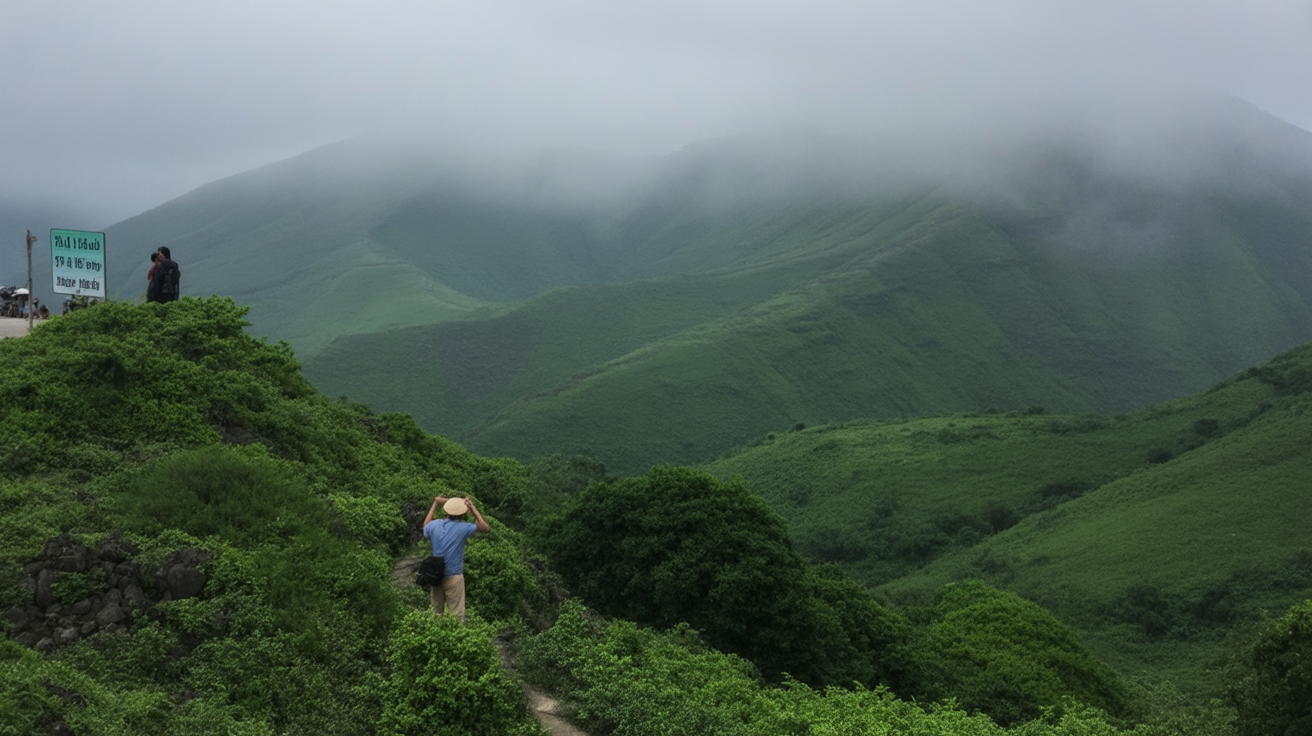
The result is that the mountains around Salalah go green in a way that looks like the Scottish Highlands, not the Arabian Peninsula. Waterfalls appear. The frankincense trees (Salalah is the world’s major frankincense-producing region) are surrounded by green grass. The Wadi Darbat turns into a lake. It’s genuinely extraordinary and most international visitors don’t know it exists.
The practical detail: flying Muscat to Salalah costs around 15–25 OMR (~£31–51 / ~$39–65) each way with Oman Air if you book a few weeks ahead. It’s under 2 hours. Salalah has its own hotel ecosystem — budget guesthouses from 10–15 OMR (~£21–31 / ~$26–39), decent mid-range from 25–40 OMR (~£51–82 / ~$65–104). The khareef season (July especially) is peak Salalah season, so book accommodation ahead if you’re going in the main monsoon months.
Worth knowing: the khareef means mist and rain, not blazing sunshine. If you’re expecting beach weather, Salalah in July is not that. If you’re expecting green mountains, goats on misty hillsides, and the smell of frankincense resin cutting through damp air, Salalah in July is absolutely that.
October: The Transition Back (Best Value Month)
October is when Oman becomes enjoyable again after summer. Temperatures drop from the August peak toward 28–32°C by mid-October. The mountains around Jebel Akhdar cool down first — by late October they’re comfortable hiking temperatures.
Hotel prices haven’t yet climbed to peak-season levels. Wahiba Sands is campable again — October nights in the desert are around 18–22°C, which is ideal. The crowds that arrive in December through February haven’t materialised yet.
I drove out to Wahiba Sands on the first weekend of October last year. Left Muscat at 2pm, arrived at the dunes by 5pm, set up camp by 6pm, watched the sun drop behind the dunes. The temperature dropped to 20°C overnight. Not a single other camper visible. That’s the October proposition.
Specific Activities: When to Time Each One
Wadi swimming (Wadi Shab, Wadi Bani Khalid): Best November to April when the water is fully recharged from winter rain and the gorge walk to reach them isn’t a heat exercise. Possible in summer with very early starts — the water is always cold regardless of season, which is the point. Avoid Fridays year-round (very busy with Omani families).
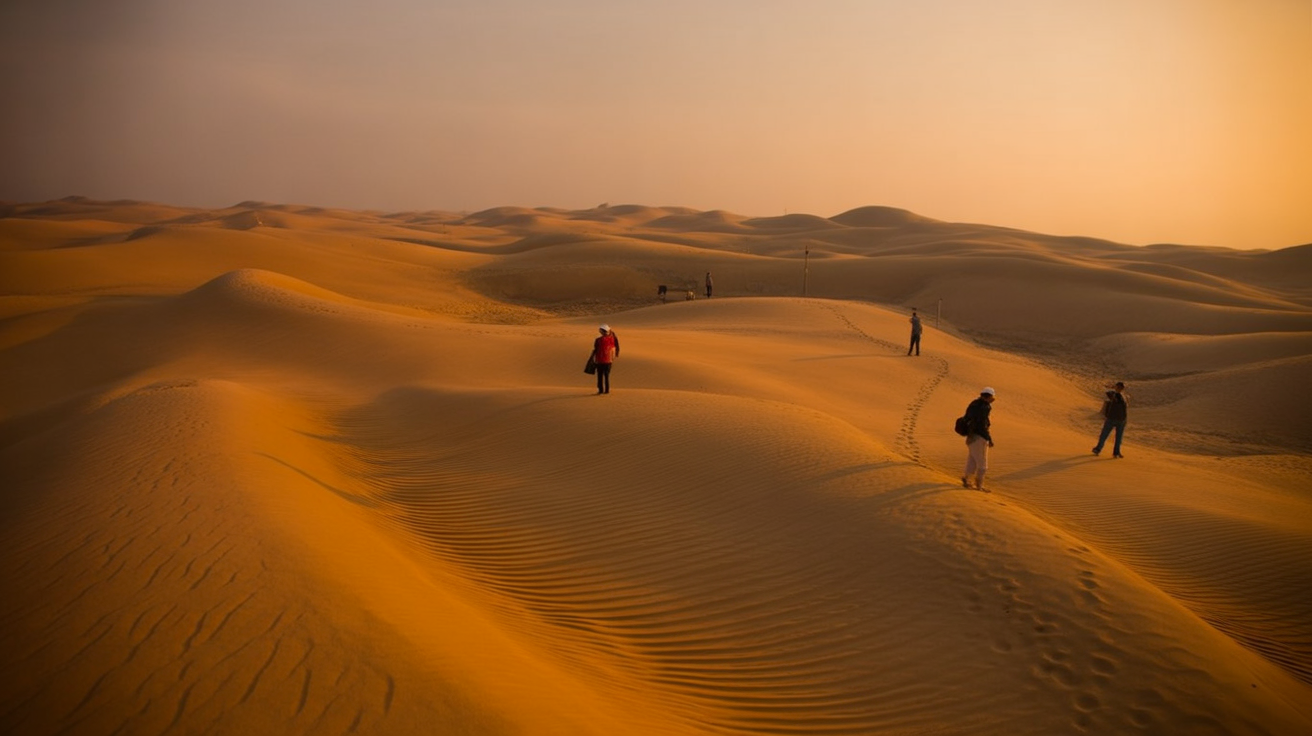
Wahiba Sands desert camping: October to March. June through September, night temperatures stay above 35°C in the desert and meaningful sleep is difficult. The tent resorts run year-round but the wild camping window is the cool season.
Jebel Akhdar hiking and rose season: October to March for hiking. February specifically for the rose harvest — the Damask roses are in bloom for about 3–4 weeks. Jebel Akhdar is 2,000m+ elevation, so it runs 5–8°C cooler than Muscat year-round; summer hiking is possible there when it’s impossible at lower elevations.
Muscat city touring (Grand Mosque, Mutrah Souq, Bait Al Zubair Museum): Year-round. The cultural sites are air-conditioned or manageable in short outdoor stints. The Grand Mosque is best in the morning regardless of season.
Salalah: June to September (khareef). The rest of the year, Salalah is hot and relatively unremarkable for international visitors. The green season is the point of going.
Musandam Fjords: October to May. The fjord scenery is accessible year-round, but the summer humidity makes the boat trips uncomfortable and the snorkelling conditions are better in the cooler months.
The Confession: The June Wadi Trip I’ll Not Repeat
In June of my first year in Muscat, I drove to Wadi Shab on a Saturday morning. Left at 7am, arrived at 9am. The trail was in direct sunlight by the time I reached the boat crossing. The water in the cave was cold — that was fine. The 4km walk back out starting at 11am was not fine. 43°C on exposed limestone, zero shade for most of the route, the trail reflecting heat from the rock face on both sides.
I finished the walk. I also spent the following two days in my flat with the air conditioning at maximum, which is the correct summer approach to that mistake. Wadi Shab in June requires a 5:30am departure from Muscat to be in the water by 8am and out before 10am. I had left at 7am and considered it an early start. It is not an early start in June.
The lesson: summer in Oman is manageable but unforgiving of late starts. If you’re going in summer, treat 9am as the outer limit for any outdoor activity. The wadis are worth it. Plan accordingly. Full guide to the logistics: Wadi Shab: Everything You Need to Know.
Oman Seasonal Prices: What to Budget
Oman is not a cheap destination. It also doesn’t have hostels — the budget floor is guesthouses and lower-end hotels at around 12–18 OMR/night (~£25–37 / ~$31–47). That said, the seasonal variation is real.
Peak (December–February): Muscat mid-range hotels 35–50 OMR/night (~£72–103 / ~$91–130). Wahiba Sands camps 40–80 OMR/night. Book 4–6 weeks ahead for good properties.
Shoulder (October–November, March–April): 10–20% lower than peak. Good availability. The October shoulder is particularly good value for quality accommodation.
Low season (May–September, except Salalah): 20–40% lower than peak in Muscat. Salalah hotels in peak khareef (July–August) are higher than their off-season rates — supply is limited and demand from Omani domestic tourism is significant.
Full cost breakdown for a Oman trip: Oman Budget: What Things Actually Cost.
FAQ: When to Visit Oman
- What is the best month to visit Oman?
- January and February are the most comfortable months overall — Muscat at 22–28°C, wadis fully charged, Jebel Akhdar accessible, Wahiba Sands campable. October and November are the best value alternative: similar conditions, lower hotel prices, thinner crowds. Avoid June to August in most of Oman unless you’re going specifically for Salalah’s khareef season.
- Can you visit Oman in summer?
- Yes, with adjustments. Most outdoor activity needs to happen before 9am or after 5pm. Cultural sites (Grand Mosque, Mutrah Souq, museums) are manageable in air-conditioned intervals. Hotel prices are significantly lower. Wadi swimming is still possible with early starts — the water is cold regardless of air temperature. Salalah in the south is actively good in summer due to the khareef monsoon season.
- When is the khareef season in Salalah?
- June to early September, with July and August being the peak green period. The monsoon brings mist, occasional rain, temperatures around 20–25°C, and turns the mountains around Salalah from desert to green hillside. It’s the most dramatic seasonal transformation in Oman and worth timing a trip around. Book accommodation ahead — Salalah in July fills with Omani domestic tourists.
- Is March or October better for Oman?
- Both are good. March has slightly more predictable comfort (22–30°C in Muscat) versus October’s shoulder warmth (28–34°C). October is generally cheaper on hotels and has lower tourist numbers. March is the end of the main season — crowds are thinning. For budget, choose October. For maximum comfort, choose March. For the Jebel Akhdar rose season, February is the specific window.
- Do I need a car to visit Oman?
- For most worthwhile activities, yes — Oman’s public transport is limited and the major attractions are spread across long distances. Muscat to Wadi Shab is 140km. Muscat to Wahiba Sands is 200km. Car rental from Muscat airport costs around 10–15 OMR/day (~£21–31) for a regular saloon; petrol costs 0.170 OMR/litre. A 4WD is needed for Wahiba Sands dune driving and the upper sections of Jebel Shams — not needed for most other attractions.
- What should I pack for Oman?
- For the October–March main season: light layers (warm evenings in the mountains and desert), modest clothing for mosques and souqs (shoulders and knees covered), water shoes for wadi walks (the rocky trails eat regular trainers), and sun protection. For summer visits: same modest clothing, add maximum-strength sun protection, a good water supply, and an early-morning discipline. Flip-flops are not wadi shoes — Daniel learned this the hard way at Wadi Shab.
The Bottom Line on Oman Timing
October to March is the right answer for most people visiting Oman for the first time. The wadis are accessible, the desert camping is enjoyable at night, and you don’t have to compress every outdoor activity into a two-hour window before the heat makes it unviable. November specifically — with thinner crowds, lower prices, and good weather — is worth targeting if your schedule is flexible.
The caveats worth adding: Salalah in July is genuinely extraordinary and most first-time Oman guides miss it. The Jebel Akhdar rose season in February is specific enough to be worth timing a trip around. And summer visits to Muscat — while logistically demanding due to heat — are viable for travellers focused on cultural rather than outdoor experiences, with hotel prices at their lowest.
The thing the month-by-month breakdown doesn’t capture: whatever month you visit, the first morning in a wadi or the first evening in Wahiba Sands will recalibrate your expectations of what Oman is. The country is physically extraordinary in a way that doesn’t depend on the season — the limestone geology, the desert light, the absolute silence of places that are genuinely remote. October has this. So does January. So does June at 5am before the heat builds.
Plan around the activities. The month follows from that.
Ramadan and Public Holidays: What Changes
Oman is a Muslim country and Ramadan changes the practical experience of visiting meaningfully. Restaurants close during daylight hours for the duration — roughly 30 days, shifting each year on the lunar calendar (in 2026, Ramadan runs late February into late March). Hotels cater to guests regardless, but eating outside your hotel room during the day requires discretion. Oman is generally tolerant toward non-Muslim visitors during Ramadan, but publicly eating or drinking in front of people who are fasting is considered rude rather than illegal.
The upside of Ramadan: the evenings are extraordinary. The iftar (fast-breaking) meal at sunset brings families out, the Mutrah Corniche fills with activity, and Omani hospitality — always high — ratchets up further. The atmosphere after 7pm during Ramadan is unlike any other time of year. If your dates fall in Ramadan and you’re adjusting expectations, the evenings will reward you.
Oman National Day (18–19 November): accommodation in Muscat books out. If your trip includes mid-November, book hotels well in advance.
Eid Al Fitr and Eid Al Adha: the post-Ramadan and post-Hajj Eid holidays bring domestic travel surges. Wahiba Sands and coastal hotels fill with Omani families. Book ahead for any travel within 2 weeks of these dates.
Jebel Akhdar: The Mountain Season Within the Season
Jebel Akhdar (the “Green Mountain”) deserves its own timing note. At 2,000–2,980m elevation, it runs 5–8°C cooler than Muscat year-round. In summer, when Muscat is 43°C, Jebel Akhdar is 28–32°C — warm but manageable, and the terraced rose gardens and villages on the rim are accessible when the coast is not.
The specific window that draws people from across the Gulf: February rose season. The Damask roses bloom for 3–4 weeks in February. Rose water distillation is a cottage industry on the mountain — you can watch the process, buy rosewater and rose jam directly from the producers, and walk through rose terraces that don’t look like they belong in the Arabian Peninsula. Accommodation on the mountain (Anantara Al Jabal Al Akhdar, Alila Jabal Akhdar) is expensive — 120–200 OMR/night (~£246–410 / ~$312–520) — but the setting is extraordinary and the restaurant at both hotels is worth a non-staying lunch visit.
Regular car gets you to the main viewpoints. The road narrows on the final ascent and 4WD is officially required (it’s enforced on the upper sections — there’s a checkpoint). Rent the Pajero. It’s worth it for the mountain.
October to March is the safe answer. It’s correct for most people visiting Oman for the first time, covering all the activities the country is known for — wadis, desert camping, mountain hiking, the Grand Mosque — without the summer heat constraint.
The nuance: Salalah in July is one of the most interesting seasonal experiences in the region and most Oman guides written from outside the country miss it entirely. If you have the flexibility, building a trip around khareef season in Salalah alongside the cooler months in Muscat gives you a genuinely complete picture of the country.
One thing the month-by-month framework doesn’t capture: Oman rewards slow travel. The country is large — Muscat to Salalah is 1,000km — and the highlights are spread across regions that each have their own best season. The most interesting Oman trips combine two or three of these zones: Muscat and the Hajar Mountains in the cool months, with a Salalah leg in summer if the khareef timing aligns. Most visitors give Oman a week. The country justifies two, and the second week is where the trip becomes genuinely memorable rather than just good. See the full breakdown of costs for planning purposes at Oman Budget Per Day.
The practical starting point is the Muscat guide: Muscat Travel Guide: Two Days Minimum, Car Essential. Everything in Oman connects back through Muscat. Plan that leg first, then build the rest of the itinerary outward from there depending on which season you’re visiting and what the rest of the country is doing climatically that month.