
Last updated: June 2026 — safety assessment verified June 2026.
Most Oman safety guides are written by people who visited for a week, stayed in Muscat, and concluded that because the souq felt friendly, Oman must be safe.
They’re right, but for the wrong reasons. Let me give you the actual picture from three years on the ground.
The Short Answer on Crime
Oman’s crime rate is exceptionally low. Violent crime against tourists is, in practical terms, not a thing that happens here.
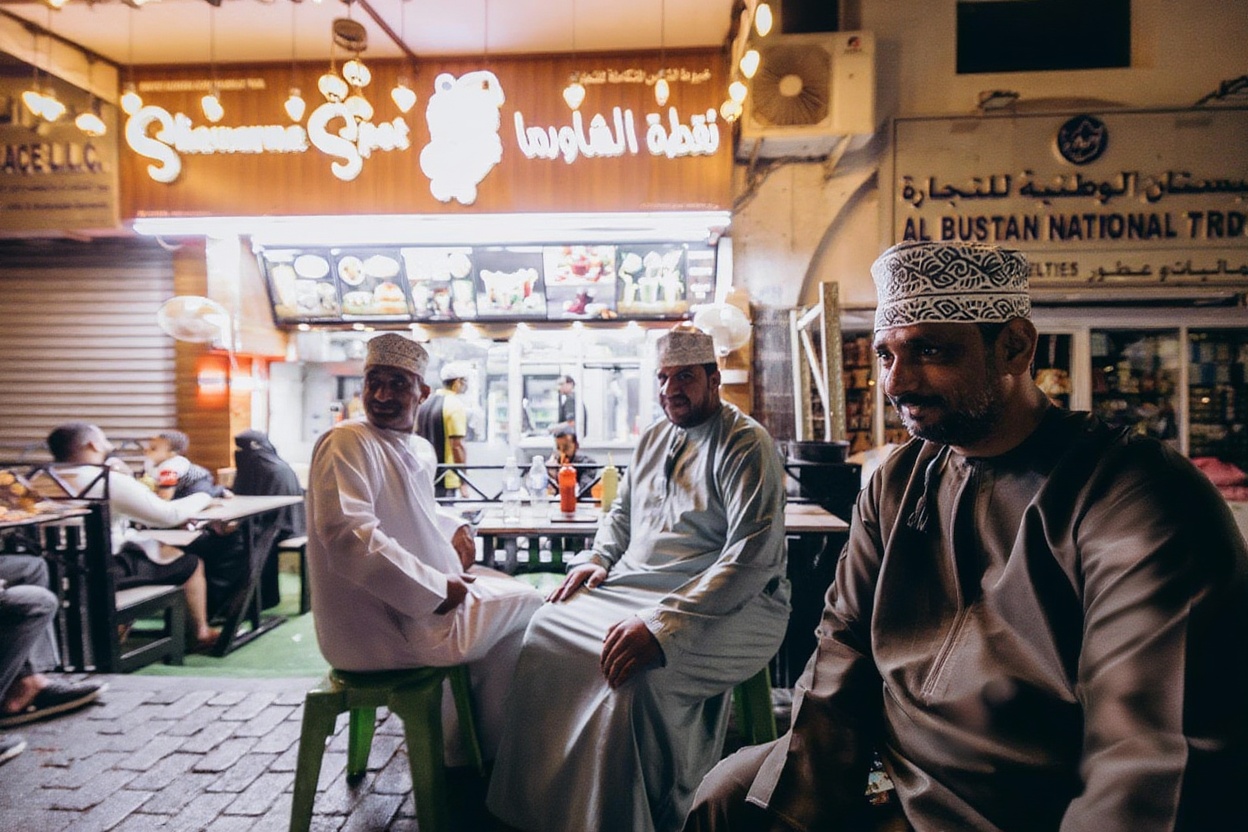
The country consistently ranks among the safest in the Middle East and among the top 20 globally across various peace indices. The combination of strong rule of law, cultural emphasis on hospitality (the Omani concept of karam — generosity to guests — is genuine, not performative), and a relatively small population in relation to territory means that the baseline experience is fundamentally different from many tourist destinations.
What does this mean in practice? You can walk alone in Mutrah Souq at 10pm. You can leave your bag at a café table and return to it. You can accept an invitation for coffee from a stranger and it will be exactly what it appears to be: an offer of coffee. This is normal in Oman. It is not naive to operate this way.
•DANIEL’S PICK
The best single indicator of Oman’s safety culture: I have, multiple times, left a tent unattended at a Wahiba Sands camping spot for several hours while hiking. Every time, everything was exactly where I left it. Try that in Morocco or Egypt and see what happens.
Is Oman Safe for Solo Female Travelers?
Yes — more so than many European cities in practice, though with a different set of social expectations to navigate.
The main adjustment for solo female travelers is dress. Oman is a Muslim country with conservative social norms, and while Muscat is noticeably more cosmopolitan than Oman’s interior towns, the general principle applies everywhere: covering shoulders and knees significantly reduces the friction of daily life. Not because you’ll be harassed if you don’t — you likely won’t — but because it’s genuinely respectful and makes interactions warmer.
Harassment in the Western European sense is rare in Oman. Verbal harassment, aggressive pursuit, or the kind of persistent attention that solo female travelers frequently report in parts of Egypt, Morocco, or Turkey is not the norm here. The cultural code around respectful behaviour toward guests is enforced socially in a way that makes deviation from it genuinely unusual.
Practical notes for solo female travelers:
Accommodation: Women traveling solo are accepted without issue at virtually every hotel and guesthouse in Oman. The occasional guesthouse in very rural areas may be surprised by an unaccompanied woman, but this is curiosity rather than a problem. Book through Booking.com and mention solo female travel in your message — most places will confirm immediately.
Transport: Bolt works reliably in Muscat and Salalah. For intercity travel, the Mwasalat bus network is safe and used by Omani families. Hiring a car is the single best upgrade for an Oman trip — it’s the only way to access the wadis properly — and solo female drivers hire cars here without incident.
Dress in Muscat vs interior: Muscat tolerates Western casual wear more than the interior. Once you’re in Nizwa, Ibra, or any village route, cover up. It’s a ten-second clothing change that materially improves your experience of those places.
The Real Risks in Oman
The risks in Oman are environmental, not social. Get these right and you’ll be fine.
Road Safety
This is the biggest genuine risk for visitors. Oman’s roads are good quality — well-maintained tarmac, clear signage, no potholes to speak of — but driving standards on intercity highways can be aggressive. The Muscat-Nizwa road sees significant truck traffic. The mountain roads (Jebel Akhdar, Jebel Shams) require careful driving on tight hairpins.
Practical advice: do not drive at night in unfamiliar areas. Camels wander onto roads after dark and are nearly invisible until you’re very close. Several serious road accidents involving tourists involve camels. This is a known, documented hazard. Drive during daylight, especially in desert areas.
Speed limits are enforced by camera. 120km/h on dual carriageways, 100km/h on single-carriageway national roads, 60km/h in towns. The fines are significant.
Flash Flooding in Wadis
This is the risk that catches visitors out most dangerously, usually because they didn’t know it was a risk at all.
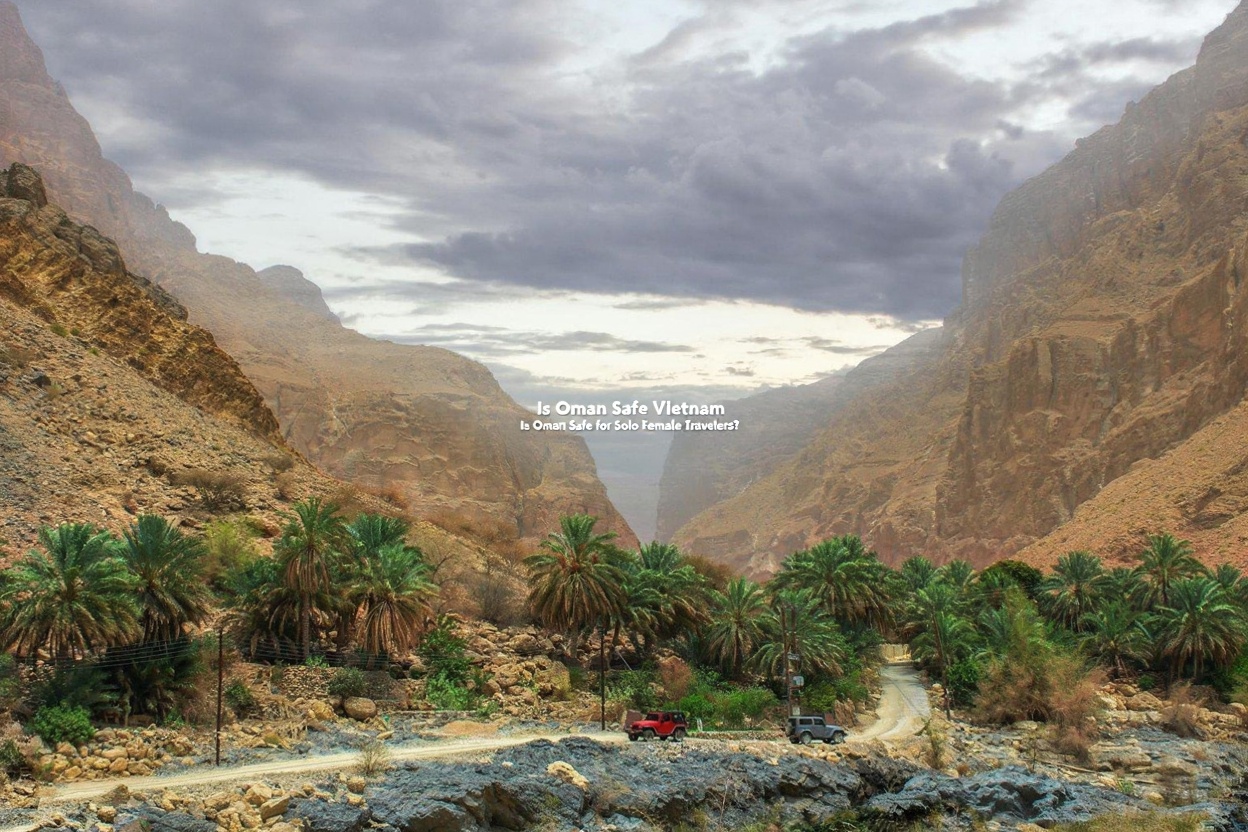
Wadis are dry river beds — carved by water, now usually empty. The thing is: they can fill fast. Rain falling in mountains 50km away can produce a flash flood in a wadi below with very little warning. The water arrives with force and debris. People have died in Omani wadis this way, including tourists who were there on a sunny day with no rain visible anywhere nearby.
The fix: check the weather forecast before any wadi trip, including mountain conditions upstream. The NCM Oman weather app is free and reasonably accurate. If there’s rain forecast anywhere in the catchment area, postpone the wadi swim. This is not excessive caution — it’s basic wadi safety that every expat here takes seriously.
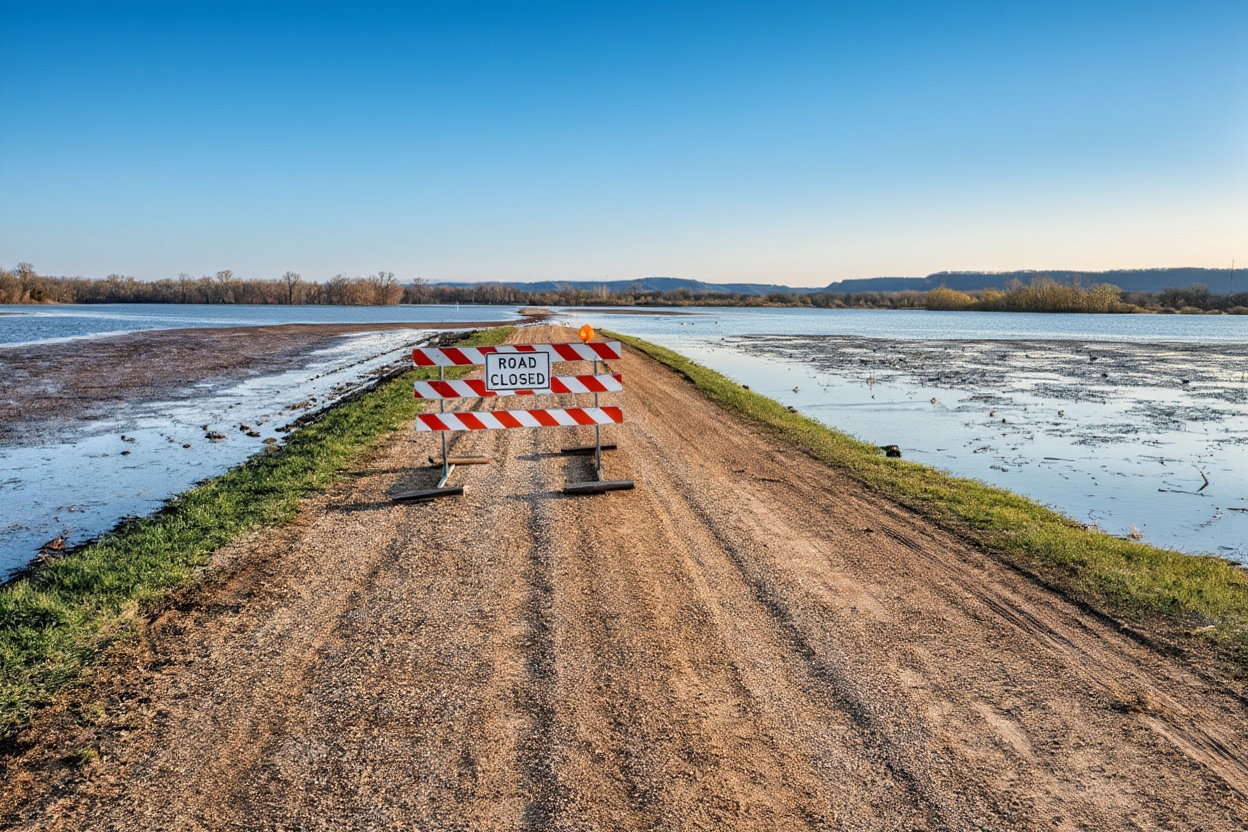
2026 update: Oman’s government has increased enforcement around wadi access during high-risk weather periods. Road closures and barriers are placed at wadi entry points when flooding risk is elevated. Respect these.
Heat and Dehydration
Oman is hot. The interior in summer (May–September) regularly hits 45°C. Muscat is marginally cooler but still reaches 40°C. Salalah is cooler but humid during khareef (June–September).
The risk is straightforward: people underestimate how quickly dehydration hits in this kind of heat, particularly when hiking wadis or spending time in direct sun. The rule I follow: 500ml of water per hour of outdoor activity minimum, more if you’re exerting yourself. Start wadi hikes by 6am. Be done by 10am. Rest in shade or inside until 4pm. Resume if you want.
Sunstroke is not a dramatic event — it creeps up on you. If you or someone in your group stops sweating while still feeling hot, get shade and water immediately.
ℹKnow Before You Go
Carry more water than you think you need on any outdoor activity in Oman. The standard 1.5L bottle is not enough for a full Wadi Shab hike in March, let alone July. I carry 3L minimum for any half-day wadi trip.
The Oman-Yemen Border: Stay Away
The southern border area with Yemen — within roughly 50km of the Yemeni frontier in Dhofar Governorate — carries genuine risk from spillover from the Yemen conflict. This area is off limits for good reason, and no tourism infrastructure serves it anyway.
Salalah, the main city in Dhofar, is perfectly safe and well worth visiting — particularly during khareef season (June–September) when Dhofar’s monsoon turns the landscape green. The border itself is a different matter. Don’t go near it.
Oman in 2026: New Adventure Tourism Rules
Oman tightened its adventure tourism regulations in 2026, requiring operators to obtain approvals and meet compliance standards for guided activities. This affects organised tours — canyoning, mountain hiking guides, jeep safari operators — more than independent travelers.
If you’re booking a guided activity (Wadi Shab boat crossing and swim, Jebel Shams canyon tours, Wahiba Sands overnight experiences), use an operator who can show current certification. The reputable ones have it and will tell you about it. The sketchy ones will shrug. This matters because liability in case of accident now falls more clearly on uncertified operators — and on the activity participant who knowingly used one.
Independent wadi visits (driving yourself, swimming yourself) are unchanged. You’re responsible for your own safety — which means weather checks, appropriate footwear, and not swimming alone in gorges.
Cultural Sensitivity: What Actually Matters
Oman is a Muslim country with a conservative culture, and getting the cultural basics right makes every interaction better.
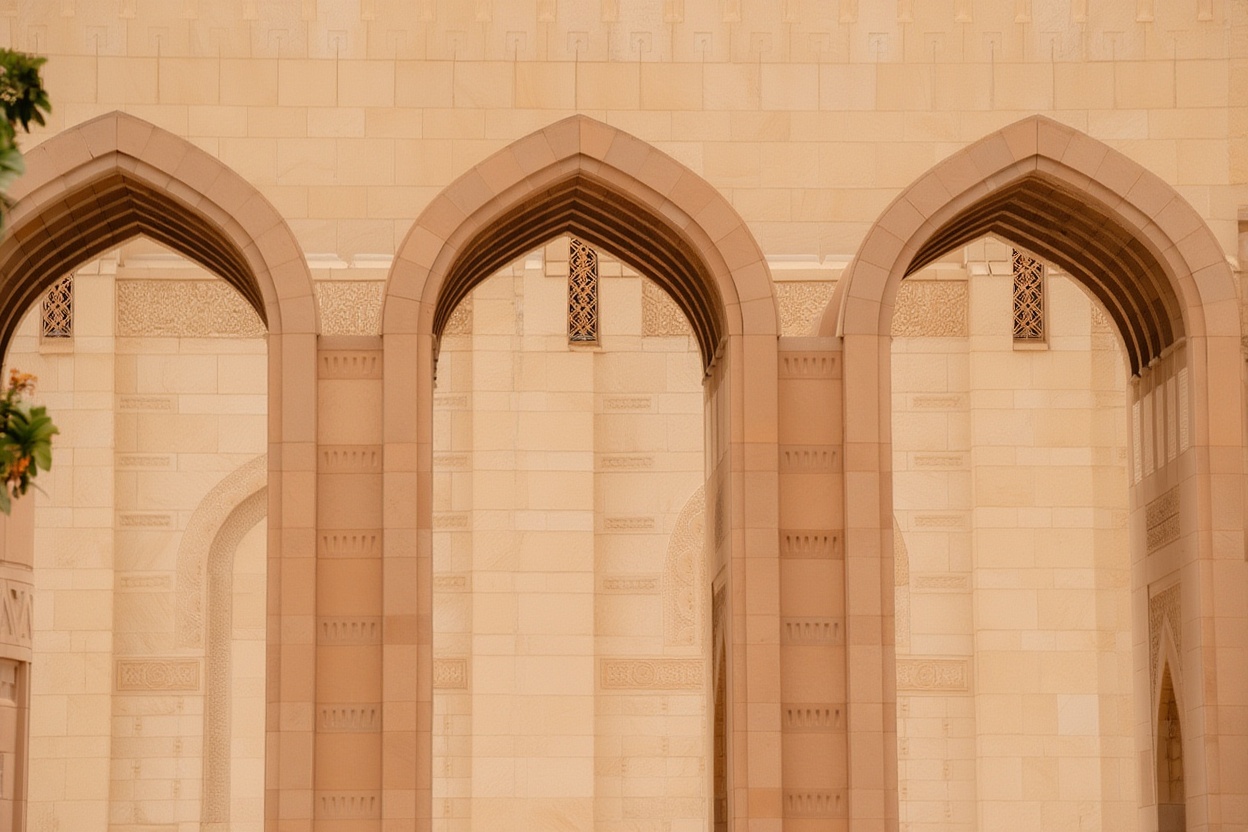
Dress: Cover shoulders and knees outside beach and pool areas. Muscat’s malls tolerate more casual dress; anywhere else, be conservative. The Sultan Qaboos Grand Mosque requires full covering for non-Muslim visitors — abayas available at the entrance, which you will need.
Ramadan: Eating, drinking (including water), and smoking in public during daylight hours in Ramadan is technically illegal for everyone, not just Muslims. In practice this isn’t aggressively enforced for tourists, but eating discreetly in your car or in a restaurant (many stay open with curtained windows) is the respectful approach.
Alcohol: Oman has licensed hotel bars and some licensed restaurants. Alcohol is not available in souqs, general restaurants, or shops outside licensed premises. Do not drink in public or in unlicensed locations. This is a legal matter, not just cultural preference.
Photography: Ask before photographing people, especially women. Government buildings, military installations, and ports: no photography. Mosques: exterior fine, interior by permission only.
Practical Safety Summary
After three years in Oman:
I have never been robbed, threatened, or felt unsafe in any interaction with Omani people. I have felt genuinely welcomed, particularly in rural areas where visitors are still relatively uncommon and the hospitality is reflexive.
I have had two near-misses: one with a camel on the Sur coastal road after dark (I was going too fast, I braked in time), and one instance of getting caught in rising wadi water at Wadi Bani Khalid after underestimating upstream rainfall. Both were my fault, not Oman’s.
The country rewards preparation and punishes overconfidence about environmental conditions. Treat it with appropriate respect — check the weather, don’t drive at night in the desert, drink water — and it is one of the most rewarding places you can visit in this part of the world.
- Is Oman safe to visit in 2026?
- Yes. Oman has one of the lowest crime rates in the world. Violent crime against tourists is virtually unheard of. The main risks are environmental — road accidents (especially camels on roads after dark), wadi flash flooding, and heat-related illness. Three years of living in Muscat and traveling throughout the country confirms this assessment.
- Is Oman safe for solo female travelers?
- Yes, notably so. Harassment in the Western sense is rare, and the cultural emphasis on hospitality toward guests means solo women are generally treated with respect. Cover shoulders and knees outside tourist areas — not because of harassment risk, but because it’s respectful and makes interactions warmer. Solo female car hire, wadi hiking, and hotel stays are all standard and unproblematic.
- What are the main safety risks in Oman?
- Road accidents are the biggest risk — drive carefully, avoid night driving in desert areas (camels on roads), and respect speed limits. Flash flooding in wadis is the second most significant risk: rain 50km away can flood a wadi you’re standing in. Check weather forecasts before wadi trips. Heat and dehydration are serious in summer — carry 3L minimum for outdoor activities. The Oman-Yemen border area carries genuine risk from conflict spillover; stay well clear.
- Is Muscat safe at night?
- Yes. Muscat is safe to walk around at night — the Mutrah Corniche, the souq area, and the Al Mouj/Qurum areas are all fine in the evening. The standard urban precautions apply (don’t be conspicuously displaying valuables), but crime in Muscat is low enough that most long-term expats don’t think about it consciously.
- Can you drink alcohol in Oman?
- Yes, in licensed premises — hotel bars, some restaurants, and licensed liquor stores. You cannot drink in public, in your car, in unlicensed restaurants, or anywhere outside licensed premises. This is a legal restriction, not just social convention. Most decent hotels have a bar or can arrange in-room alcohol. Plan around this rather than hoping exceptions exist.
