Last updated: June 2026 — visited October 2025.
Worth knowing upfront: on a Friday, Wadi Bani Khalid fills with Omani families. Completely fills. The atmosphere changes from peaceful desert oasis to something more like a well-located picnic ground. Weekday visits are a different experience entirely. If your schedule allows a Wednesday or Thursday, use it.
Getting to Wadi Bani Khalid from Muscat
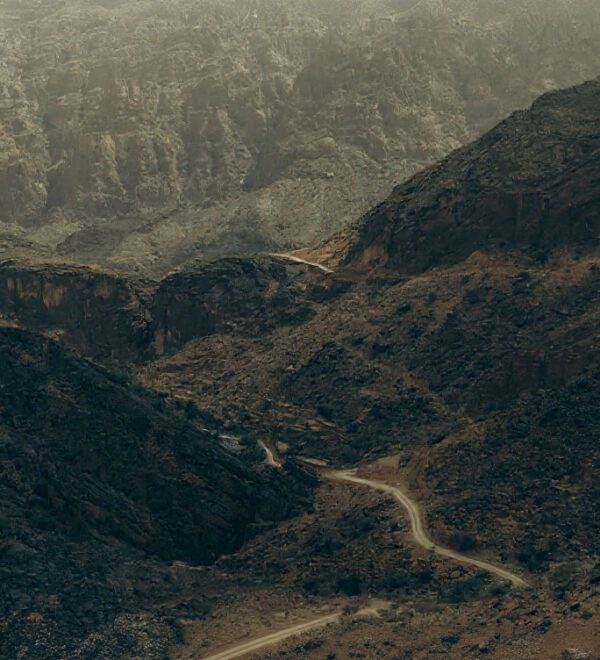
Distance from Muscat: approximately 200km. Driving time: 2.5–3 hours via Highway 15 east then south on Highway 23. Road quality is good throughout — a regular saloon car handles the entire route without issue. No 4WD required.
Route: Take Highway 15 east from Muscat toward Sur, then turn south on Highway 23 at the junction near Al Kamil. The wadi is signed from the main road. GPS coordinates: approximately 22.574°N, 58.976°E — put “Wadi Bani Khalid” in Google Maps and it will take you directly to the car park.
Petrol: Fill up before leaving Muscat or at Ibra town on the route. Petrol in Oman is 0.170 OMR/litre (~£0.35/litre) — the road trip economics for this distance are approximately 2–2.5 OMR total fuel cost (~£4–5 / ~$5–6.50) in a typical rental car. Not a consideration worth worrying about.
Without a car: There is no practical public transport to Wadi Bani Khalid. A shared taxi from Ibra (the nearest town on the bus network) could get you partway, but the final 40km requires your own vehicle. A Muscat day-trip tour including Wadi Bani Khalid typically costs approximately $60–80 per person; tours that combine with Wahiba Sands run $120–170/person. If you’re not renting a car, the tour option is the realistic alternative.
What You’ll Find at Wadi Bani Khalid
The wadi has three distinct areas, which most visitors combine in a half-day or full day visit.
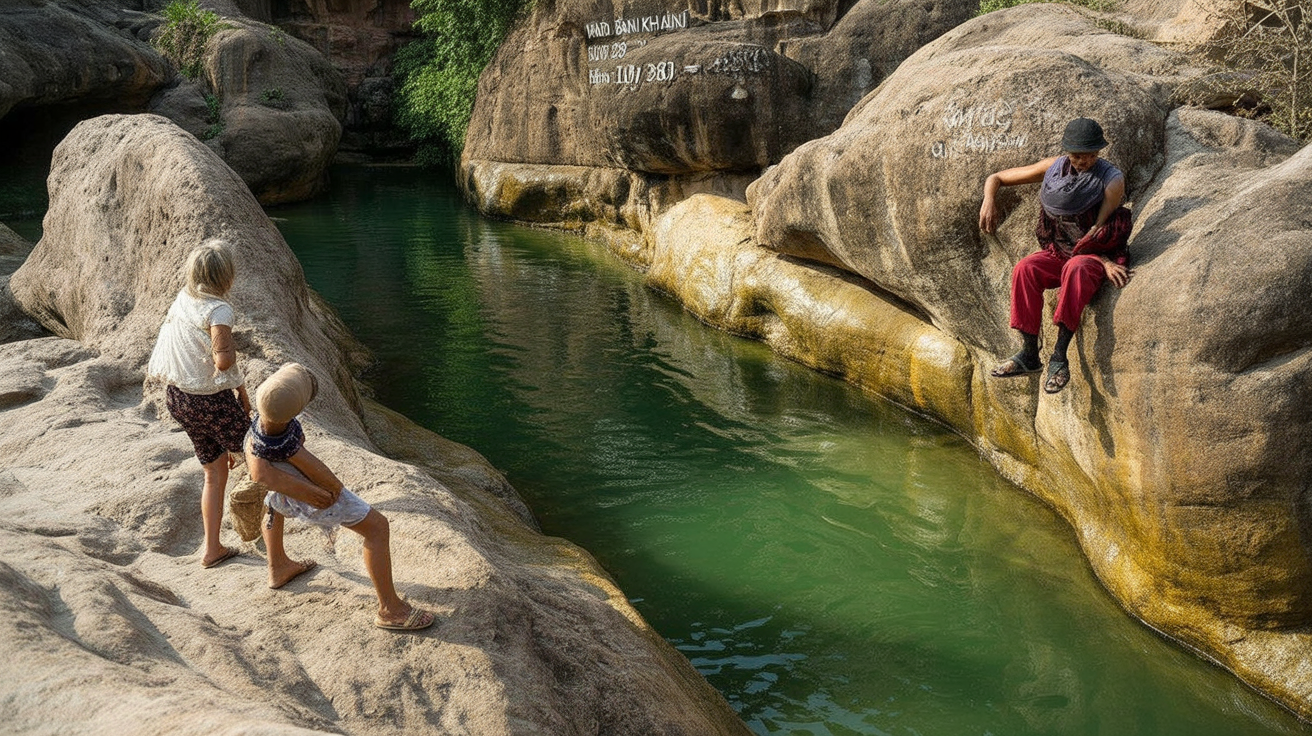
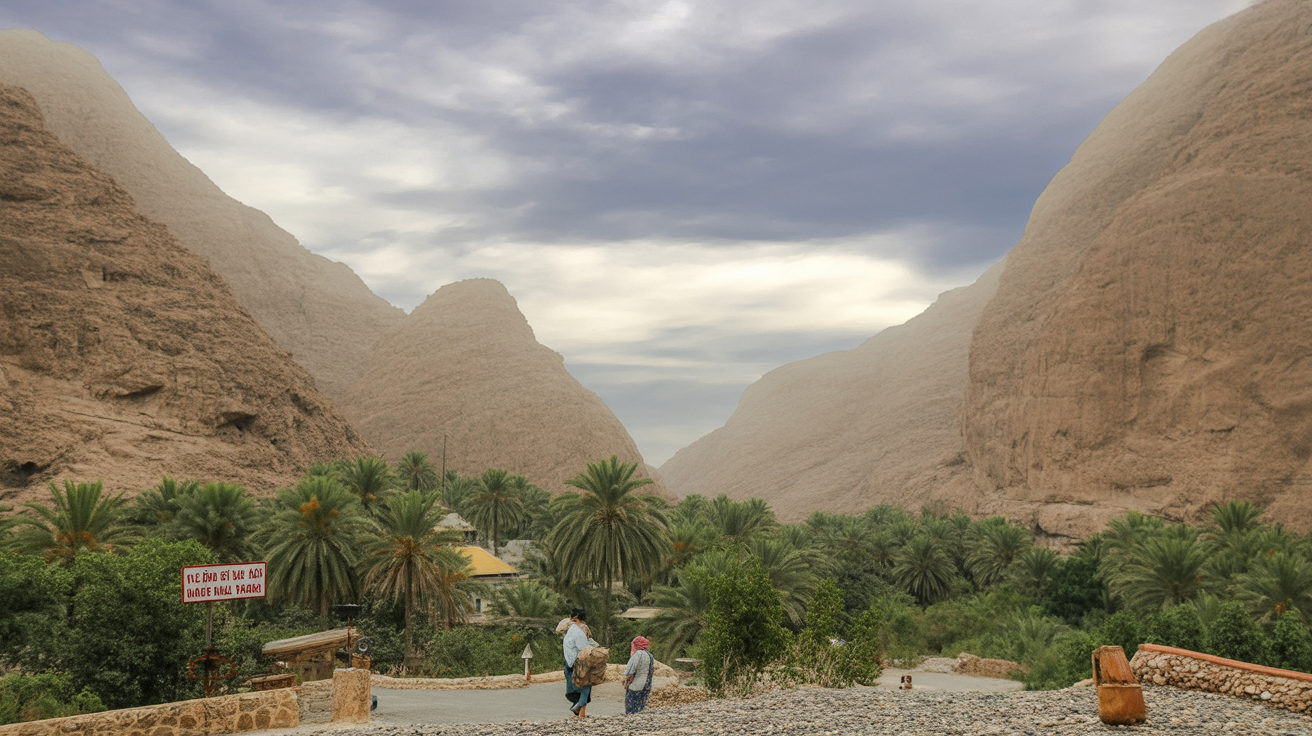
The main pools: Where you arrive first and where most visitors spend most of their time. The spring-fed pools are turquoise in the morning light — genuinely turquoise, not the promotional language version — and cold regardless of air temperature. Jumping in when it’s 38°C outside produces a specific shock that the phrase “refreshing” doesn’t fully capture. The pools are wide enough to swim properly and shallow enough in most sections to stand.
The first pool, near the car park, is the busiest. Walk another 5–10 minutes up the wadi and the second and third pools are quieter and, in my observation, cleaner. The water comes from a perennial spring high in the mountains — this is what makes Wadi Bani Khalid different from most wadis, which dry up in the hot months. The pools are here year-round.
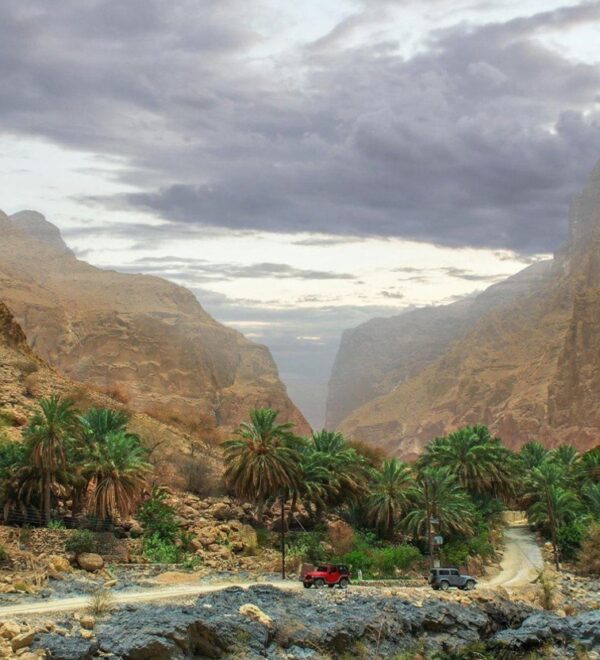
The gorge walk: Above the main pools, the wadi narrows into a gorge — a 30–60 minute walk on rocky terrain with increasingly dramatic canyon walls. This is where the landscape transitions from “pleasant swimming spot” to “genuinely impressive geology.” The walk requires solid shoes (not flip-flops — the rock is sharp and uneven) and a degree of scrambling in the upper sections. The end point is a waterfall cave that contains a deep pool. Not on the same scale as Wadi Shab’s cave, but excellent.
The caves: A set of cave passages above the main pools that most visitors miss because they’re not obviously signed. Ask at the car park — a local guide (usually present in the main season) can show you the cave entrance. Worth the extra 20 minutes.
Entry and Facilities
Entry to Wadi Bani Khalid is free. There are two small charges:
- Toilets: 400 baisas (0.400 OMR / ~£0.82 / ~$1.04). Bring change.
- Changing tents: 100 baisas (0.100 OMR / ~£0.21 / ~$0.26). Basic private changing areas near the main pool.
Parking is free and the car park at the main pools is large enough to handle the volume on weekdays. On a Friday in summer, parking fills and visitors park along the approach road.
There is a restaurant near the first pool — functional, often busy, described charitably by most visitors as having mixed reviews and an impractical service pace. If you want to eat at the wadi, manage expectations. The better option: bring food from Muscat, eat at your car, and use the wadi time for swimming. The Assayil Mazeera restaurant in the nearby village of Bani Khalid proper is worth the 5-minute drive for a proper meal — cheaper, more authentic, slower service but better food. Order the grilled chicken and rice. Budget 1.5–2.5 OMR/person (~£3–5 / ~$3.90–6.50).
What to Bring
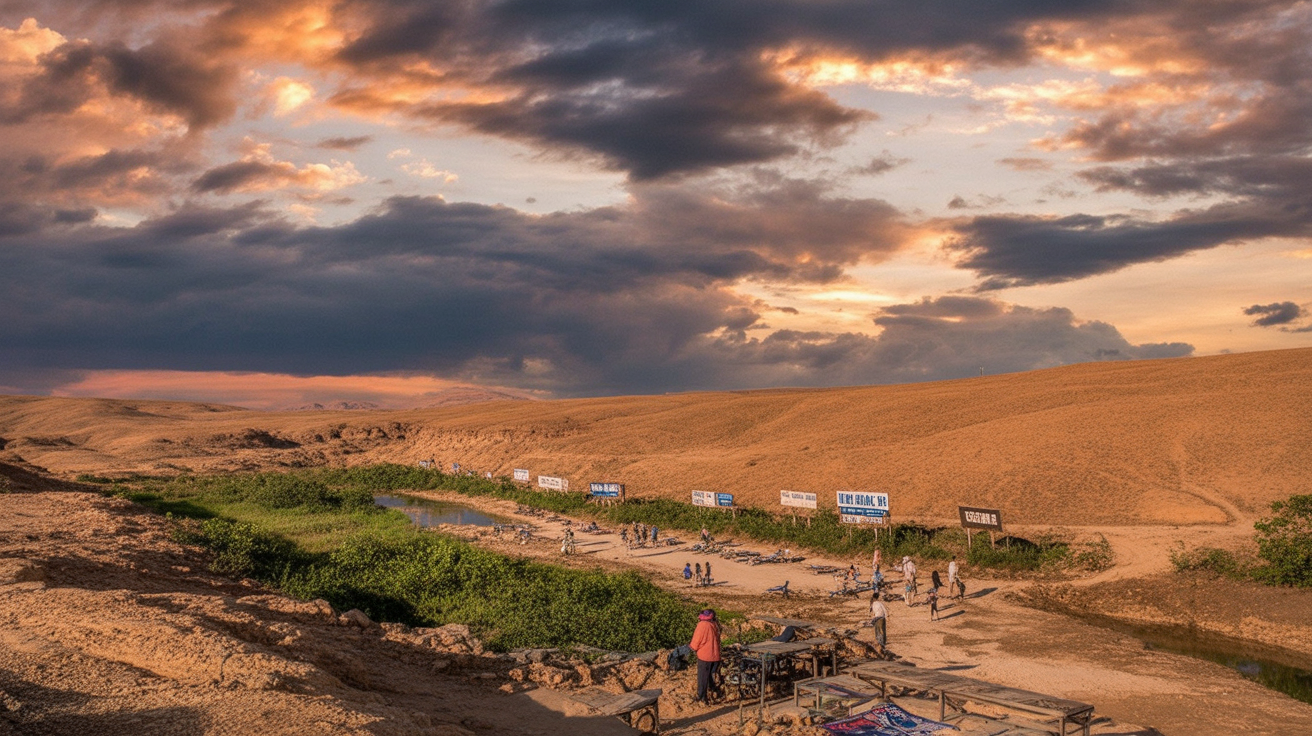
This section exists because I learned some of these things the expensive way.
Water shoes: The path from the car park to the pools, and every section of the gorge walk above, is limestone — irregular, sharp, and very uncomfortable on bare feet or flat-soled flip-flops. Water shoes grip the wet rock. They are not optional for the gorge section. They are strongly advisable for the main pool area. Daniel drove to Wadi Shab in flip-flops once. He doesn’t recommend it. This is equally applicable here.
Water: 2–3 litres per person minimum. More if you’re visiting May–September. The restaurant charges tourist prices for bottled water; bring your own from Muscat or the petrol station on the way.
Modest swimwear: The wadi is a public space used by Omani families. Bikinis are technically allowed but read the room — if it’s Friday and the wadi is full of families, a one-piece or shorts over a swimsuit is the appropriate call. On a quiet weekday, use your judgment.
Sun protection: The Oman sun is serious. The wadi floor offers some shade from the canyon walls in the morning, but the approach and the pools receive full sun. Reef-safe sunscreen for the water, a hat for the approach.
Cash: For the toilets, changing tents, and any food purchases. Card is not accepted at the wadi facilities.
Wadi Bani Khalid vs Wadi Shab: Which to Visit
The question comes up constantly, and the answer is genuinely: they’re different enough that comparing them isn’t straightforward.
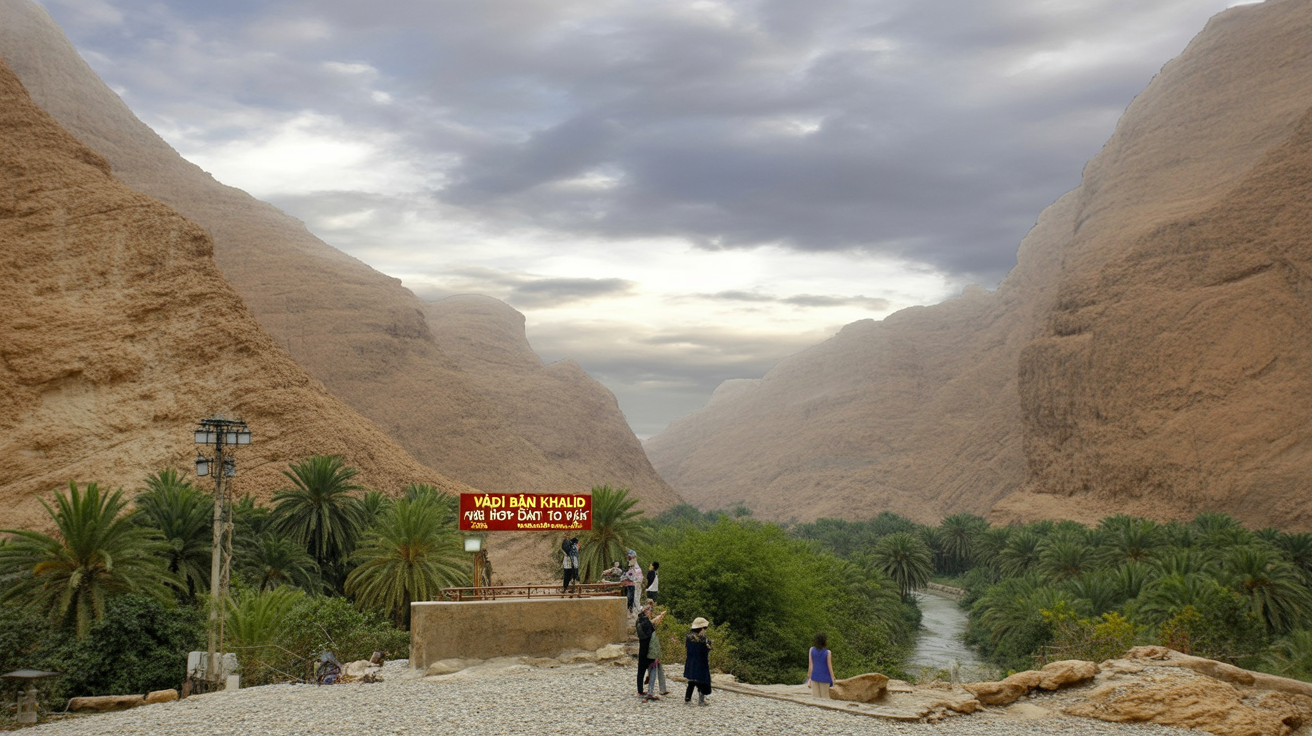
Wadi Bani Khalid: 200km from Muscat, drive directly to the pools, no boat required, no technical scrambling to reach the water. More accessible for families, people with limited mobility, or anyone who wants swimming without a significant hike. The scenery is excellent; the experience is relaxed. Full guide: Wadi Shab: Everything You Need to Know has the comparison in full.
Wadi Shab: 140km from Muscat, requires a boat crossing (1 OMR each way), a 4km rocky gorge walk each way, and a swim through a narrow cave passage to reach the waterfall. More dramatic, more effort, more rewarding. The cave swim is the thing people remember. Not accessible for non-swimmers or anyone with mobility restrictions.
If you’re choosing one: Wadi Shab for the experience if you’re physically capable and have a full day. Wadi Bani Khalid for the easier, more family-friendly alternative, or if you’ve already done Wadi Shab and want a second wadi day without repeating the same experience.
If you’re combining with Wahiba Sands: Wadi Bani Khalid is the natural companion — they’re in the same region, and a Wadi Bani Khalid morning followed by a Wahiba Sands afternoon and overnight is one of the better two-day Oman itinerary structures available. The drive from the wadi to the dunes is approximately 40km.
Best Time to Visit Wadi Bani Khalid
The wadi is accessible year-round because the spring that feeds it doesn’t dry up. The question is when the outdoor conditions make the visit comfortable.
October to April: The main season. Temperatures in the surrounding landscape are 20–30°C; the gorge walk is comfortable; the afternoon heat doesn’t make swimming mandatory for survival. This is when to go for the full experience.
May to September: The heat is serious — 38–45°C in the surrounding desert, though the canyon provides shade and the water is always cold. Viable with an early start (leave Muscat by 5:30am to arrive by 8am and be swimming before the heat peaks). The combination of cold water and extreme heat is one of those experiences that’s both unpleasant and genuinely memorable. I’ve done it. I’d do it again. Know what you’re signing up for.
Weekdays vs weekends: explained above. Weekday visits are significantly better for the atmosphere. If you can only go on a Friday, go early and leave before noon.
Combining Wadi Bani Khalid with Wahiba Sands
Wahiba Sands (the main dune desert accessible from Muscat) is approximately 40km south of Wadi Bani Khalid. A single overnight trip that combines both is one of the best two-day itineraries in Oman: wadi swimming in the morning, desert camping in the afternoon and evening, back to Muscat the following day.
The desert camping logistics: wild camping in Wahiba Sands requires a 4WD for the dune-driving sections. The approach roads as far as the desert edge are regular-car accessible; the dunes themselves are not. If you’re driving a rental saloon to Wadi Bani Khalid, you won’t get the wild camping experience — the organised desert camps on the edge of Wahiba are accessible by regular car and run 40–80 OMR/night (~£82–164 / ~$104–208) including dinner and breakfast. Not cheap, but the sunset and sunrise over Wahiba from the camp edge justifies it.
FAQ: Wadi Bani Khalid
- Is Wadi Bani Khalid free to enter?
- Yes — entry is free. Small charges apply for toilets (400 baisas / 0.4 OMR / ~$1) and changing tents (100 baisas / ~$0.26). Parking is free. The restaurant near the first pool charges tourist prices. Bring cash for the facilities; there’s no card payment at the wadi.
- How far is Wadi Bani Khalid from Muscat?
- Approximately 200km via Highway 15 east and then south on Highway 23. Drive time: 2.5–3 hours in a regular car. The full road is well-paved and accessible by saloon car — no 4WD required. Fill up with petrol before leaving Muscat; fuel in Oman costs 0.170 OMR/litre.
- Is Wadi Bani Khalid better than Wadi Shab?
- Different, not better or worse. Wadi Bani Khalid is more accessible — drive directly to the pools, no boat required, suitable for families and anyone who wants swimming without a significant hike. Wadi Shab has more drama — a gorge walk, a cave swim, a waterfall. For the full Oman wadi experience, Wadi Shab is the classic. For an easier, more relaxed wadi day, Wadi Bani Khalid is the correct choice.
- What do you need to bring to Wadi Bani Khalid?
- Water shoes (essential — the rock is sharp), 2–3 litres of water per person, sun protection, modest swimwear (public space used by Omani families), and cash for the toilets. The restaurant has food but mixed reviews — bringing a picnic from Muscat is a better option. The Assayil Mazeera restaurant in nearby Bani Khalid village is worth the 5-minute drive for a proper meal.
- When is the best time to visit Wadi Bani Khalid?
- October to April for comfortable conditions — the gorge walk is enjoyable and the approach isn’t a heat exercise. May to September works with early morning starts (arrive by 8am before the heat peaks). Weekdays are significantly better than Fridays, when the wadi fills with Omani families and the atmosphere changes considerably.
- Can you do Wadi Bani Khalid without a car?
- Not practically. There’s no public transport to the wadi. A tour from Muscat (typically $60–80 per person) is the realistic alternative if you’re not renting a car. Tours that combine Wadi Bani Khalid with Wahiba Sands run $120–170 per person. Renting a car in Muscat for the day costs 10–15 OMR (~£21–31) and gives you full flexibility.
The Bottom Line on Wadi Bani Khalid
Wadi Bani Khalid is not the most dramatic wadi in Oman. It is the most accessible, the most family-friendly, and the most reliably rewarding for the amount of effort required. A 3-hour drive, free entry, cold turquoise water, and a gorge that gets properly impressive if you walk up it. Add Wahiba Sands on the same trip and you’ve covered two of the reasons people come to Oman in a single 24-hour window.
Wildlife and Environment at Wadi Bani Khalid
Wadi Bani Khalid is a perennial wadi — one of the few in Oman where the water flows continuously because of a spring rather than depending on seasonal rain. This makes it a significant habitat for freshwater species in an otherwise arid landscape.
The pools contain a population of freshwater fish — small, silvery, and visible through the clear water. They’re endemic to Omani wadis and not found elsewhere. The local population treats them as protected; don’t try to catch or touch them. The fish are part of what makes the water feel so clean — they’re performing the ecological role they’ve been performing in these pools for a very long time.
Birdlife around the wadi includes kingfishers and various waders in the early morning. The canyon walls above the pools support cliff-nesting species. If you’re arriving early (before 8am for the best light and fewest people), take 15 minutes to sit quietly at the upper pool and watch what uses the water. It’s more active than the midday visit suggests.
On the ecological responsibility side: the wadi has a litter problem, particularly around the main pools on Fridays and holidays when visitor volumes are highest. Bring your rubbish out. Don’t use soap or sunscreen in the water — the spring ecosystem is fragile in ways that aren’t visible to casual visitors but matter to the species that live in it. Reef-safe sunscreen is fine; conventional sunscreen is not appropriate in the pool sections.
Nearby: What Else Is in the Wadi Bani Khalid Area
The drive to Wadi Bani Khalid passes through a part of eastern Oman that most international visitors never see. A few things worth noting on the route or nearby:
Ibra Souq: The Wednesday morning market at Ibra — 70km north of Wadi Bani Khalid on the route from Muscat — is one of the best traditional Omani markets still running. It starts very early (6am) and is mostly finished by 10am. If you’re driving to the wadi on a Wednesday and can leave Muscat by 5am, the Ibra souq stop adds an hour to your journey and is worth every minute. Women’s craft market, livestock section, produce stalls. Nothing performative about it — it’s a working market.
Sur: 100km further south of Wadi Bani Khalid, Sur is Oman’s dhow-building town — wooden boats still constructed by hand using traditional methods. The boatyard is visible from the road and active most weekday mornings. Sur itself is a working port town with a good fish market and reasonable accommodation if you want to make the eastern circuit into a two-night trip (Wadi Bani Khalid + Sur + Ras al Jinz turtle beach).
The Ibra market note deserves emphasis: if you’re here on a Wednesday and can manage the early start, the Ibra souq is one of the best experiences in eastern Oman. It’s authentic not because it’s been preserved for tourists — it hasn’t been preserved for anything; it’s just still running the way it has run for generations — but because it’s a functioning weekly market where Omani families buy and sell livestock, produce, silver, and handicrafts in the pre-dawn cool before the heat makes the day impractical for outdoor commerce. Arrive by 7am. The livestock section is best before 8am. The silver and craft vendors stay later. Nothing there costs what you’d pay in Mutrah Souq in Muscat. Budget 30–60 minutes and leave with something.
One final thing: the drive home from Wadi Bani Khalid via Highway 15 — particularly the section through the Hajar Mountains — is genuinely excellent. The landscape changes from the desert plain around the wadi to mountain gorge to coastal plain as you approach Muscat. If you have the flexibility to stop once or twice for photography, the mountain section is worth it. The light in the late afternoon on the way back, with the mountains turning orange, is one of those Oman moments that doesn’t make it into the promotional material but stays with you longer than the pool photos do. Drive the long way. Take your time. The wadi prepared you for exactly this.
The silence at Wadi Bani Khalid on a Tuesday morning before 8am — just the sound of the spring water entering the first pool, the canyon walls holding the sound in, nothing from the car park yet — is what Daniel came to Oman to find, without knowing that’s what he was looking for. Muscat has the cultural weight and the souq and the Grand Mosque. The wadis have the reason for staying longer than one week. Fill the water bottles. The wadi is worth the drive.
For the full Oman wadi comparison: Wadi Shab: Everything You Need to Know. For the best time to plan the trip: Best Time to Visit Oman.
Where to Stay Near Wadi Bani Khalid
Most visitors to Wadi Bani Khalid come as a day trip from Muscat (200km) or as part of the eastern circuit that combines with Wahiba Sands. If you want to stay overnight in the area, the options are limited but functional.
Ibra town (70km north of the wadi): Ibra is the nearest town with decent accommodation — guesthouses and small hotels at 15–25 OMR/night (~£31–51 / ~$39–65). No luxury here, but Ibra has petrol stations, supermarkets, and the famous Wednesday souq (the Ibra Women’s Souq) that starts before dawn and runs until mid-morning. Staying in Ibra the night before a Wadi Bani Khalid visit gives you the Ibra souq in the early morning (if it’s Wednesday), the wadi by 8am, and the option to push on to Wahiba Sands or Sur in the afternoon.
Al Mintirib (the gateway to Wahiba Sands, 40km south): Several small guesthouses and the edge desert camps operate at Al Mintirib — the village at the western entrance to Wahiba Sands. Staying here gives you immediate access to the dunes for sunrise the following morning. Budget options from 15–20 OMR/night, desert camps from 40–70 OMR/person/night including meals. The combination of Wadi Bani Khalid in the morning and Wahiba Sands overnight is one of the better two-day structures in eastern Oman.
Camping in the wadi area: there is no formal camping ground at Wadi Bani Khalid. Wild camping in the wadi valley is technically possible but not a practice the site management encourages — the wadi has a litter management problem as it is, and adding overnight camping increases the impact. Camping at the Wahiba Sands dunes (40km south) is the better alternative for those who want to sleep under the desert sky.
Getting Mobile Signal and Connectivity on the Route
Worth a practical note: the road from Muscat toward Wadi Bani Khalid via Highway 15 and Highway 23 has reasonable mobile coverage through most of the journey — Omantel and Ooredoo both have signal along the main highway. Coverage drops significantly on the approach road to the wadi itself and is unreliable inside the gorge.
Download Google Maps offline for the route before leaving Muscat, including the approach from the Highway 23 junction. The wadi is clearly marked on Google Maps, but the final 10km of local road has some unsigned junctions where offline navigation prevents the time-wasting backtrack that catches day-trippers who relied entirely on cellular data.
The Wikiloc app (free, with Oman wadi trails available for offline download) has a specific Wadi Bani Khalid gorge walk trail — useful for the upper gorge section where the path becomes less well-trodden. Download it before you leave. The gorge section above the main pools rewards people who know where they’re going.