Sur and Ras al Jinz: Oman’s East Coast, Dhow Yards, and Nesting Sea Turtles
Updated June 2026 — Daniel Marsh has lived in Muscat for three years and has done the Sur–Ras al Jinz circuit twice. Prices in OMR (Omani Rial — 1 OMR ≈ £2.10 / $2.60). Prices verified June 2026.

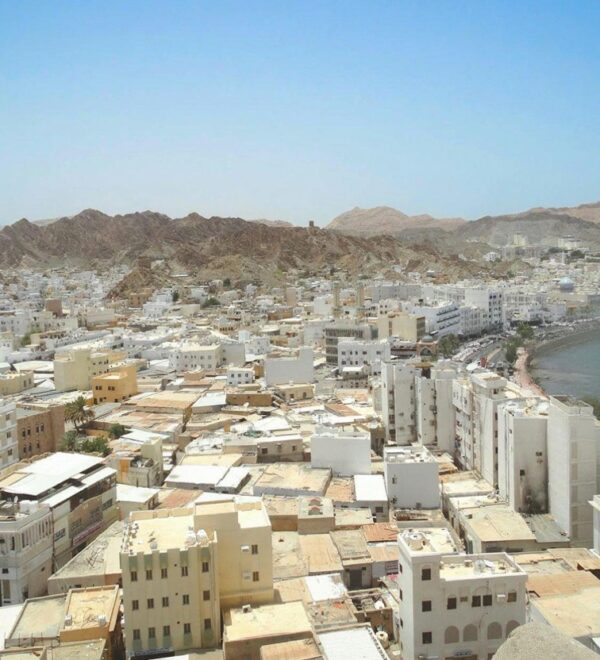
Sur is 190km east of Muscat — about 2.5 hours on a good road. The town has a traditional dhow-building yard (one of the last working ones in the region), a lagoon with old fishing villages, and a waterfront worth an evening walk. Ras al Jinz, 30km further, is where green sea turtles nest year-round on the beach of the Arabian Peninsula’s easternmost point. Both together make a solid two-day trip from Muscat, or three days if you add Wahiba Sands or Wadi Bani Khalid.
Sur: What It Is and Why the Dhow Yard Matters
Sur has been a maritime town for over a thousand years — it was the departure point for Omani traders heading to East Africa, India, and the Persian Gulf. The dhow (the traditional wooden sailing vessel of the Arabian Sea) was built here and sailed from here. At peak, Sur’s dhow industry produced hundreds of boats a year.
The dhow yard still operates, at a much smaller scale, in the harbour area near the Sur Corniche. You can walk in during working hours (roughly 7am–1pm, closed Fridays and Saturdays) and watch the builders at work — no ticket, no tour required, just walk in and look. The boats under construction range from large traditional wooden dhows to the fibreglass versions that are now the practical standard for Omani fishing. The wooden construction is increasingly heritage work rather than commercial production, but the craftsmanship is real and watching the hull-shaping and caulking process is worth 30–45 minutes.
The old fishing village of Ayjah sits across the lagoon from Sur proper, connected by a bridge. It has traditional Omani houses — square, whitewashed, with carved wooden doors — in various states of preservation and disrepair. Worth an hour’s walk in the morning. Most of Ayjah’s working population has moved to Sur, but the buildings remain and the light on the whitewash in the morning is what it is.
| Sur & Ras al Jinz Quick Facts | |
|---|---|
| Distance from Muscat | Sur: 190km (~2.5hrs). Ras al Jinz: 220km (~3hrs via Sur) |
| Ras al Jinz turtle tour | 7–12 OMR/person (£15–25 / $19–31) — must book through Ras al Jinz Eco-Resort |
| Tour times | Night tour: 9pm (nesting turtles). Dawn tour: 5am (hatchlings + departing females) |
| Turtle season peak | June–September, but green turtles nest year-round |
| Dhow yard hours | ~7am–1pm, closed Fri-Sat — walk-in, free |
| Accommodation | Ras al Jinz Eco-Resort: 95–150 OMR/night. Sur Hotel: 35–50 OMR/night |
| Road type | Tarmac throughout — standard 2WD car fine |
| Best combined with | Wahiba Sands (1.5hrs west), Wadi Bani Khalid (60km northwest) |
Ras al Jinz: The Turtle Beach Rules
Ras al Jinz is a protected scientific reserve at the easternmost point of the Arabian Peninsula, and it has one of the most significant green sea turtle nesting beaches in the Indian Ocean. Turtles come ashore year-round to nest — the females return to the same beach where they were born, hauling themselves up the sand at night to dig nests and lay 100–150 eggs. Peak season is June through September when the numbers are highest.
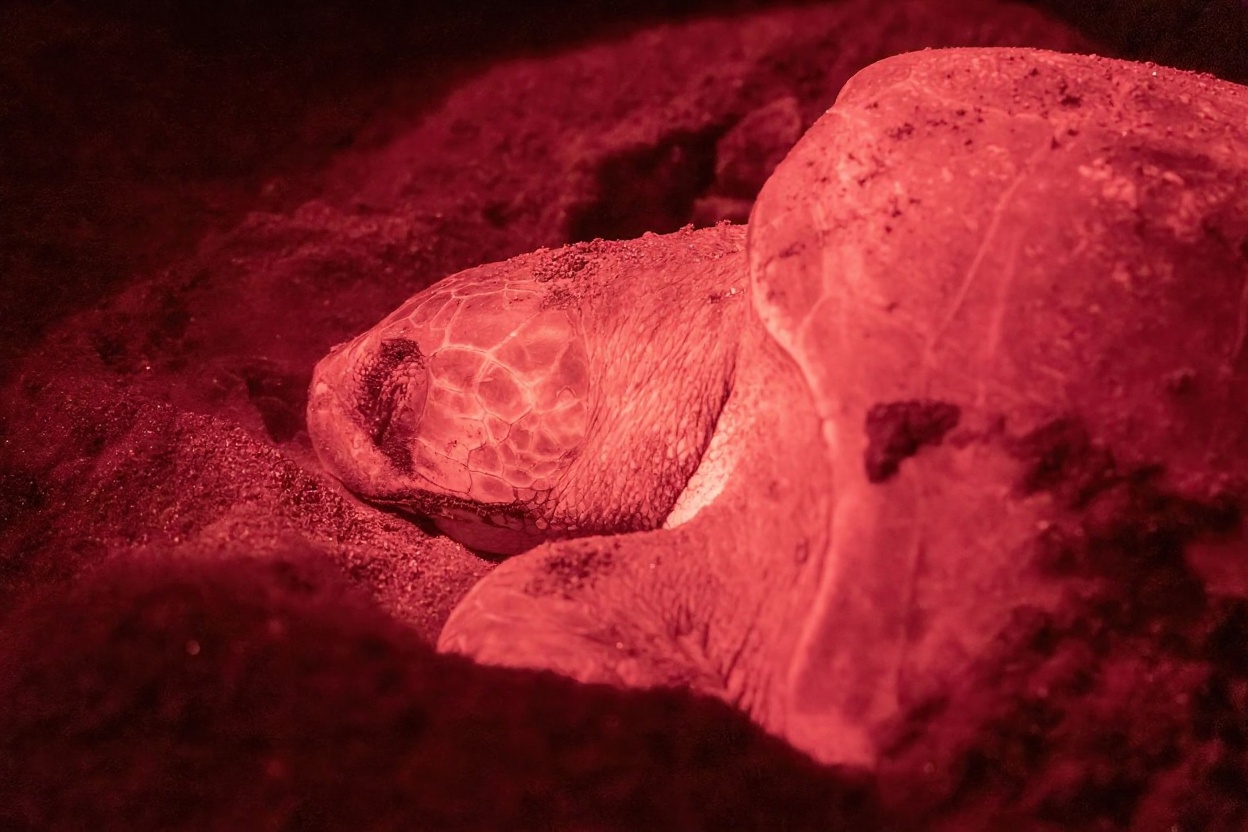
Here are the rules: You cannot access the turtle beach independently. The entire beach is within the protected reserve. Access is only permitted through organised guided tours run by the Ras al Jinz Eco-Resort. The resort operates two tours daily:
Night tour (9pm): Focuses on nesting females — turtles come ashore after dark, dig their nest, lay eggs, and return to the sea. The tour group follows a guide along the beach using red-light torches (white light disturbs turtles). You watch a nesting in progress at close range. Duration: 1.5–2 hours. Cost: 7–10 OMR/person.
Dawn tour (5am): Focuses on departing females (heading back to sea after nesting) and emerging hatchlings during peak season. Hatchlings emerge in the predawn dark and make the run to the sea — this is the scene most people have in mind when they picture turtle watching. Duration: 1–1.5 hours. Cost: 7–12 OMR/person.
Book the tour through the Ras al Jinz website before arriving. In peak season (July–August), tours fill a week or more in advance. The resort accommodation (95–150 OMR/night) includes priority tour access — if you can’t get a tour booking as a day visitor, staying at the resort solves that problem, though the room price is significant by Oman standards.
DANIEL’S HONEST TAKE: The night tour and the dawn tour are for different things. If you want to see hatchlings making the run to the sea, book the dawn tour during June–September peak season. If you want to watch a nesting female — the slow, laborious process of digging the nest and laying eggs — the night tour is more reliable year-round. I’ve done both. The dawn hatchling run is the more moving experience, but it requires June–September timing.
Getting to Sur from Muscat
The road from Muscat to Sur is the Sultan Qaboos Street heading east, becoming the coastal highway through Al Qurayat (fuel stop, 90 minutes from Muscat) and continuing to Sur. The road is well-maintained dual carriageway for most of the route. A standard saloon car handles it without issue — no 4WD required for this route.
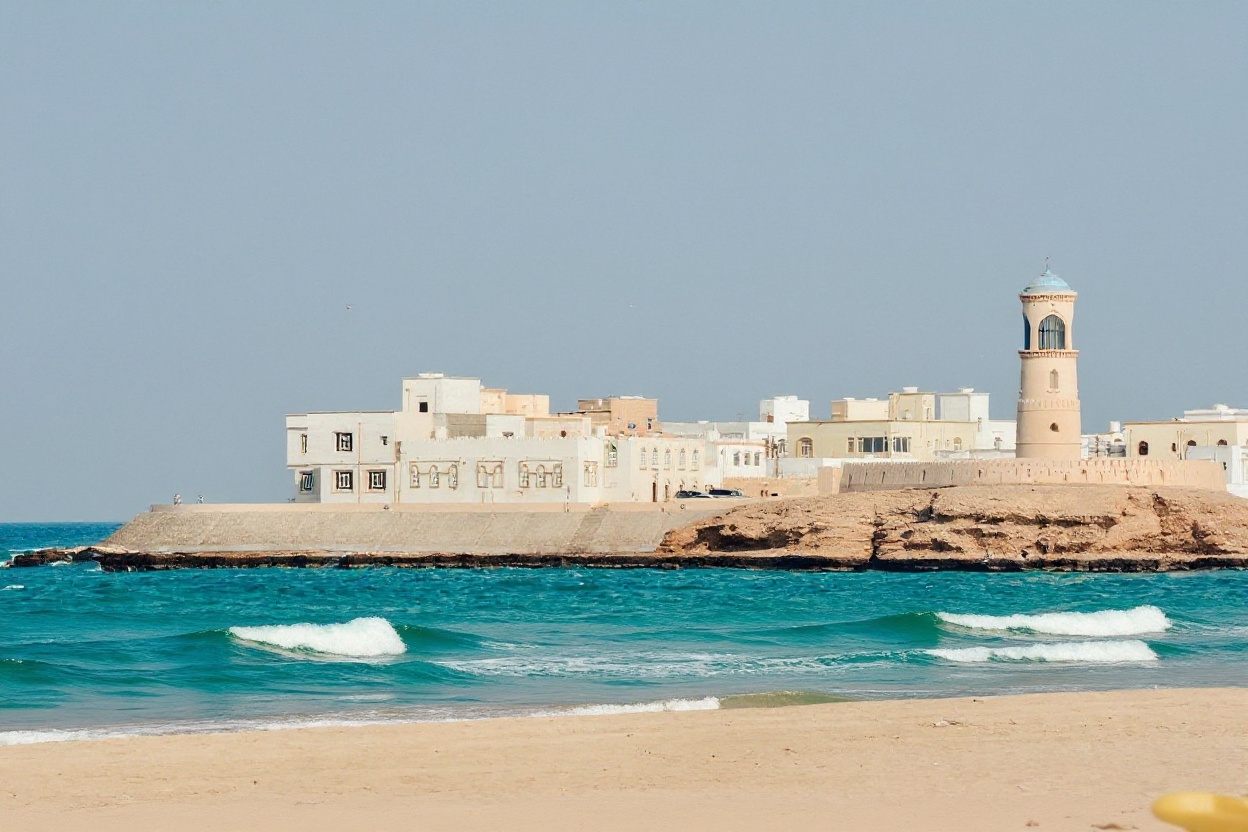
Drive time: 2.5 hours Muscat to Sur at legal speed limits. Allow 3 hours to Sur and 3.5 hours to Ras al Jinz if you’re leaving from central Muscat in morning traffic. There’s a petrol station in Al Qurayat worth using — the next reliable station after that is Sur itself.
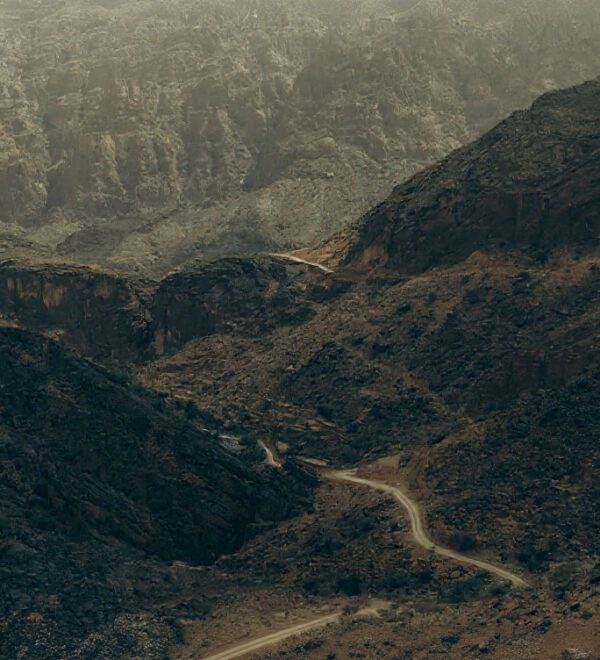
The coastal section between Al Qurayat and Sur passes through the Al Hajar mountain range where the mountains meet the Gulf of Oman — the road cuts through valleys and along cliff edges with views over the sea. This section takes longer than the distance suggests because of the road’s curves, but it’s the most scenic part of the drive. Windows down.
No public transport serves Sur or Ras al Jinz practically. Private hire from Muscat: around 35–50 OMR each way. Renting a car in Muscat (15–25 OMR/day from local agencies) is significantly cheaper for a two or three day trip and gives you the flexibility to stop at the Ayjah waterfront or the dhow yard on your own schedule.
The Three-Day Muscat Circuit
Sur and Ras al Jinz connect naturally with Wahiba Sands and Wadi Bani Khalid into a three-day circuit that covers the most distinctive landscape types in eastern Oman — desert, mountain wadi, coastal town, and sea turtle beach. The circuit works in either direction but east-to-west (Muscat → Sur → Wahiba Sands → return) gives you the turtle watching on night one and the desert camping on night two.
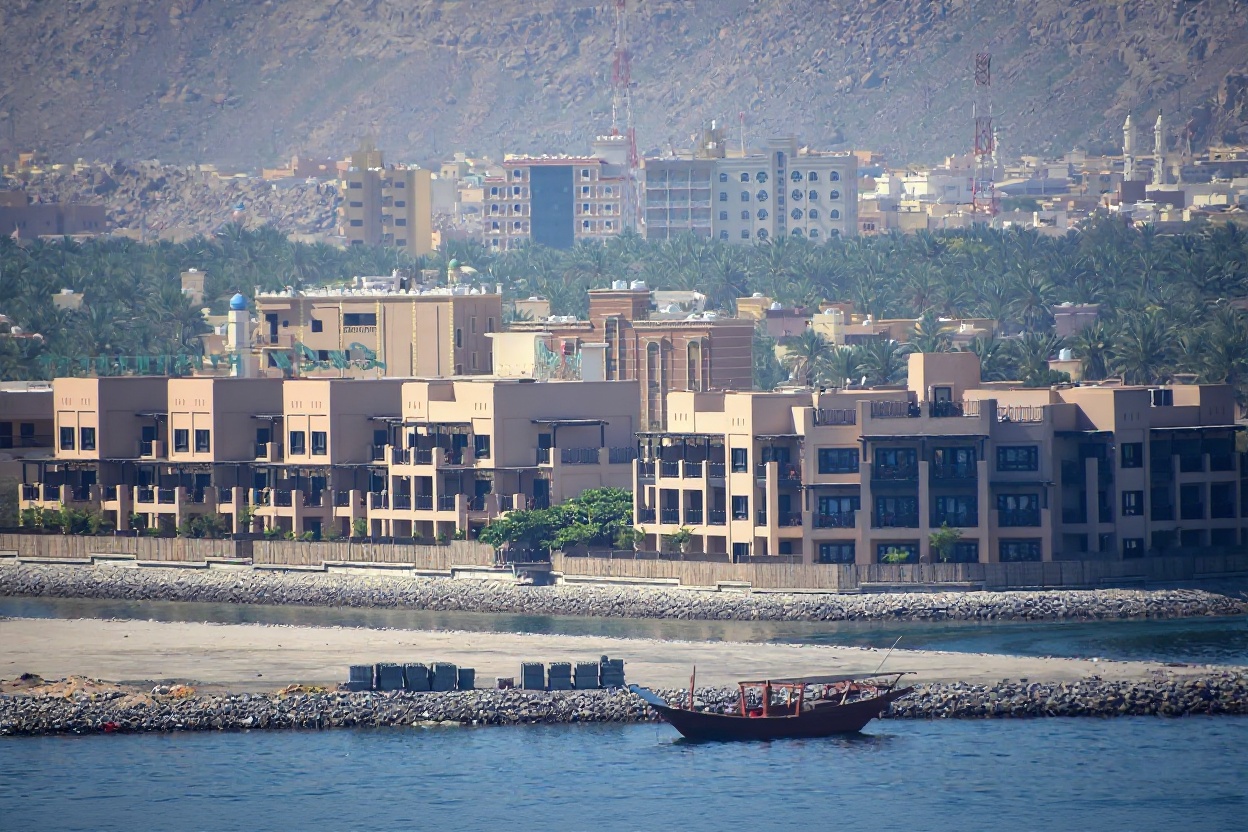
Day 1: Muscat → Sur (2.5 hrs, scenic coastal road, Al Qurayat fuel stop) → Sur Old Ayjah walk + dhow yard afternoon → Ras al Jinz for the 9pm night turtle tour → sleep at Ras al Jinz Eco-Resort or basic accommodation in Sur (30km back).
Day 2: Dawn tour at Ras al Jinz (5am, optional) → breakfast → drive west to Wahiba Sands via the internal highway (1.5 hours) → arrive Wahiba mid-morning → deflate tyres at desert edge → sand driving to camp → sunset → overnight in desert. The Wahiba Sands guide covers tyre pressure, camp booking, and what to bring.
Day 3: Sunrise in the dunes (5am) → inflate tyres → drive north via Wadi Bani Khalid (60km, 1hr from Wahiba northern edge) for a morning swim in the turquoise pools → return to Muscat by afternoon (2.5 hrs from Wadi Bani Khalid). The Wadi Bani Khalid guide covers the pools and the best time to arrive before day-trippers.
This circuit covers 600km total and three nights away. It’s the best three-day introduction to eastern Oman and requires only a standard 2WD car for the Ras al Jinz section (rent a 4WD in Muscat for the Wahiba Sands portion — non-negotiable).
Sur Corniche, Old Town, and the Lagoon
Sur is worth more than a transit point on the way to Ras al Jinz. The town has a genuine character — a working port with a real fishing fleet, a lagoon separating the main town from the old Ayjah district, and a corniche that was built with the Omani government’s typical dedication to pleasant waterfront infrastructure.
The Sur Corniche runs along the southern edge of the lagoon, facing Ayjah across the water. In the early morning, the fishing boats come in and the catch is unloaded at the dock near the dhow yard — fresh hammour (grouper), kingfish, and red snapper. If you’re in Sur for a night and want the most genuine version of the town, stand near the dock at 6am and watch the catch come in.
The lagoon itself is home to wading birds year-round — herons, egrets, and in winter, migratory species passing through. The drive around the lagoon to Ayjah (via the bridge east of the town centre) takes 10 minutes by car and adds a different angle on Sur’s geography — the old town on one side, the sea entrance on the other.
Sur’s commercial centre (the main souk area) has a well-preserved traditional Omani market with frankincense, khanjar daggers (the ceremonial curved blade of Oman), silver jewellery, and the usual tourist merchandise. The frankincense sold here is sourced from Dhofar (southern Oman, near Salalah) — buy a small amount and the shopkeeper will show you how to burn it on a charcoal brazier. This costs 2–5 OMR for a good-quality selection.
What to Eat in Sur
Sur has a smaller restaurant scene than Muscat but the quality is consistent with Oman’s generally good food reputation. The main options:
Fresh fish at the port area restaurants: The restaurants within 5 minutes of the dhow yard serve the morning catch directly. Grilled hammour with rice and salad: 3–5 OMR per person ($8–13). The freshness is genuine — the fish you’re eating was in the Gulf of Oman that morning. Eat here for lunch on your first day in Sur before driving to Ras al Jinz.
Omani halwa: The traditional Omani sweet — made from rosewater, saffron, sugar, and ghee, cooked until semi-solid and served with coffee. Sur has several halwa shops in the souk area. A box for gifts or picnic: 2–4 OMR. It’s heavy and intensely sweet, served in small portions with bitter qahwa (Omani cardamom coffee). The combination is the correct Omani hospitality format.
Shawarma and grills: The Omani-Indian restaurants in the main commercial area serve chicken and meat shawarma, biryani, and grilled meats at prices that reflect Sur’s working-town economics rather than tourist pricing. A full meal: 1.5–2.5 OMR per person ($4–6.50). Lunch, not dinner — these places tend to close early.
The Ras al Jinz Eco-Resort serves meals to non-guests (book ahead — the dining room fills with tour groups). The food is standard international resort: adequate, priced accordingly (5–10 OMR per main). Better to eat in Sur and drive to Ras al Jinz for the evening tour.
Where to Stay: Sur vs Ras al Jinz Resort
The accommodation decision for this trip is essentially one choice: stay at the Ras al Jinz Eco-Resort (expensive, convenient for both tours, guaranteed tour access) or stay in Sur town (cheaper, requires 30km drive to Ras al Jinz for the tour).
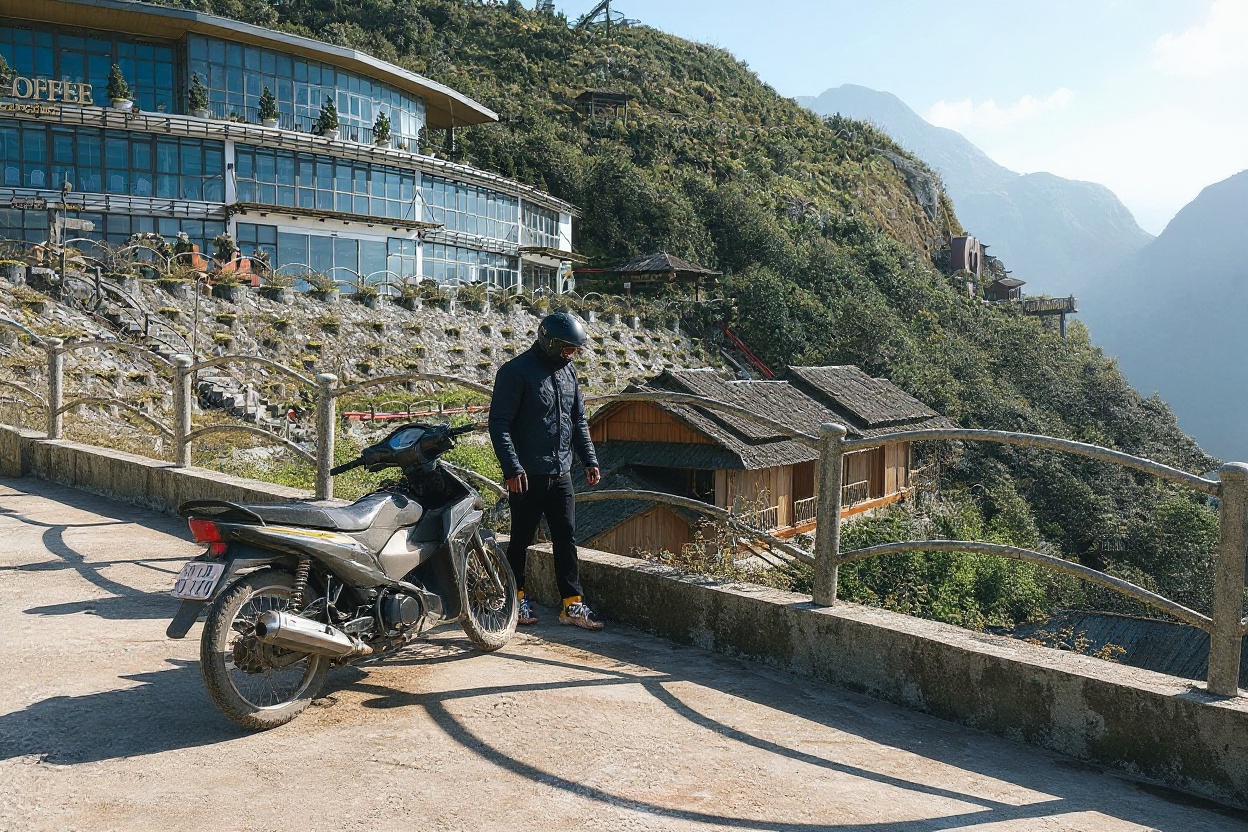
Ras al Jinz Eco-Resort: 95–150 OMR/night. Eco-cabins on the cliff edge above the turtle beach, included breakfast, priority booking for both tours. If you can afford it, this is the correct choice — waking up 200m from the turtle beach and walking down for the dawn tour without a commute is a different experience from driving from Sur. The resort is well-run and the setting is genuinely extraordinary.
Sur Hotel / Sur Plaza: 35–55 OMR/night. Basic international hotel standard, central Sur, 30km from Ras al Jinz. Fine if budget is the constraint. Book the turtle tour separately online before arriving — don’t show up expecting walk-in availability, especially in summer. Both hotels have restaurants serving Omani-Indian food at reasonable prices and are convenient for the dhow yard, the corniche, and the morning fish market. The Sur Plaza has a pool, which matters in July when daytime temperatures regularly exceed 40°C.
When to Visit Sur and Ras al Jinz
The most important timing consideration is the turtle season at Ras al Jinz. Green sea turtles nest year-round, but the numbers peak between June and September. July and August have the highest nesting activity and the highest tour demand — book ahead.
June–September: Peak turtle season. High nesting numbers, hot weather (38–42°C in Sur), the early morning hatchling season at its most active. The drive from Muscat is fine; Sur’s accommodation will be busier than usual. Book the Ras al Jinz tour at least a week ahead.
October–May: Cooler temperatures (22–30°C in Sur), turtle nesting continues year-round but at lower volume. The benefit: easier tour booking, more pleasant driving conditions, and the circuit with Wahiba Sands is significantly more comfortable in winter. November through February is the best desert camping weather — cold enough at night for a sleeping bag, dry, with clear stargazing. The Wahiba Sands guide covers the November–February desert camping window in detail.
The coastal road from Muscat is pleasant in any season but is particularly scenic in the late afternoon light of autumn and early winter. The Gulf of Oman coast has a different quality to the Arabian Sea coast further south — calmer water, lower humidity than Salalah, and the Al Hajar mountains forming a backdrop behind Sur.
The Mistake Daniel Made at Ras al Jinz
First visit to Ras al Jinz, June 2023. Booked the 9pm night tour — the nesting turtle tour. Watched a green sea turtle come ashore, dig her nest, and lay 120 eggs. The process takes 90 minutes and is genuinely extraordinary: the turtle is enormous (110kg), completely focused, and oblivious to the watching group. I watched eggs fall into the nest. I was not prepared for how moving it would be.
What I’d also expected, based on a hasty reading of the booking page: hatchlings. The 9pm tour description mentioned the possibility of witnessing hatchlings emerging. I’d read “possibility” and somehow mentally substituted “certainty.”
There were no hatchlings. The 9pm night tour is the nesting tour. Hatchlings emerge in the predawn hours — they’re the subject of the 5am dawn tour. To see both, you need to either book both tours on the same night (the resort allows this) or stay two nights. I found this out at the post-tour briefing, which I should have read more carefully.
Book the dawn tour if hatchlings are the priority. Book the night tour if watching a nesting female is the priority. Book both if you have a 45 OMR budget for one night of turtle experiences and don’t mind a 2-hour sleep between 11pm and 5am. I’d choose both. Read the tour descriptions. Carefully. Twice. That is the complete lesson of this particular mistake.
- Do I need to book the Ras al Jinz turtle tour in advance?
- Yes — especially June through September when tours fill a week or more ahead. Book online at rasaljinz.com before leaving Muscat. The Ras al Jinz Eco-Resort runs both the night tour (9pm, nesting females) and dawn tour (5am, hatchlings and departing females). Walk-in availability exists in low season (October–May) but is not guaranteed.
- What is the difference between the Ras al Jinz night tour and dawn tour?
- Night tour (9pm): Watch nesting females come ashore, dig their nest, and lay eggs. Reliable year-round. Dawn tour (5am): Watch females departing after nesting and potentially see hatchlings emerging from previous nests. Hatchlings are most common June–September. If you specifically want hatchlings, book the dawn tour in peak season.
- Can I see turtles at Ras al Jinz without a tour?
- No. The turtle beach is within a protected reserve and access without a guide is not permitted. The guided tour requirement is enforced — there are rangers on site. The tour cost (7–12 OMR) funds the conservation programme that has protected the nesting beach for three decades.
- How do I get from Muscat to Sur without a car?
- There is no reliable public transport to Sur or Ras al Jinz. Options: hire a private driver in Muscat (35–50 OMR each way), join an organised day tour from Muscat (typically 25–40 OMR/person), or rent a car (15–25 OMR/day, standard 2WD fine for Sur — rent a 4WD if continuing to Wahiba Sands). For a 2–3 day circuit, car rental is significantly cheaper than private hire.
- Is the Sur to Wahiba Sands drive possible in a day?
- Yes — Sur to the edge of Wahiba Sands is about 1.5 hours on the internal highway. The circuit Muscat → Sur → Wahiba Sands → Muscat is doable in 3 days with overnights at Sur/Ras al Jinz and in the desert. Adding Wadi Bani Khalid makes it a natural third day before returning to Muscat. See the Wahiba Sands guide for the dune driving logistics.
Sur and Ras al Jinz together make one of the better two-day trips from Muscat — the dhow yard in the morning, Ayjah in the afternoon, the turtle beach at night, the dawn tour at 5am if you booked it. Book the tours before you leave Muscat. Bring the 4WD if you’re continuing to Wahiba. Read the tour briefing more carefully than I did. Questions in the comments, I check them.
What Daniel Got Wrong at Sur
First time driving the coastal route from Muscat to Sur, I took the inland highway (Highway 15 through Nizwa and down to the coast at Sur) rather than the scenic coastal road. The inland highway is faster — 2.5 hours versus 3.5 hours for the coastal option.
The coastal road from Muscat to Sur via Al Qurayat, Bimmah Sinkhole, Fins Beach, and Wadi Shab is one of the better drives in Oman. The inland highway is flat, straight, and remarkable primarily for the distance. The 45 minutes saved on the inland route costs you the Bimmah Sinkhole (a natural limestone collapse pool, worth a 30-minute stop, 1 OMR entry), Fins Beach (arguably the clearest swimming water on the Omani coast), and the Wadi Shab turnoff (the best single day activity within reach of Sur).
The practical answer: drive the coastal road to Sur. Drive back via the inland highway if time is tight on the return. Or take the coastal road both directions and stay two nights.
Bimmah Sinkhole: The Stop Worth Making on the Way
Bimmah Sinkhole (also called Hawiyat Najm, “Fallen Star”) sits 90km southeast of Muscat on the coastal road to Sur. A circular collapse in the limestone — 40m across, 20m deep — has filled with turquoise water fed by a mixture of fresh groundwater and seawater. You can swim in it. The access is a wooden staircase from a small car park. Entry: 1 OMR (~£2.05 / $2.60). Takes 20–30 minutes. On a Sur day trip, it’s the natural first stop after leaving the Al Qurayat fuel stop.
Worth knowing: by 10am on weekends, Bimmah fills with Omani families and the pool gets crowded. On a weekday before 9am, you’ll have it largely to yourself. The water is cold enough to make the descent from the scorching limestone rim feel dramatic. Worth the 1 OMR regardless of when you visit.
Fins Beach: The Clearest Water on the Coast
Fins Beach, 30km before Sur on the coastal road, is consistently described by expats and long-term Oman residents as having the best swimming water on the Gulf of Oman coast. The cove is sheltered, the sand is white, and the water visibility is exceptional — 10–15 metres on a good day. No facilities. Bring everything. The approach road is a short track off the main coastal highway, easily marked on Google Maps.
If you’re driving the coastal road to Sur with a full day available, a swim at Fins Beach after Bimmah Sinkhole and before the Wadi Shab stopover (if you’re adding it) fills a morning better than any itinerary planner will tell you. This is the version of the drive worth doing.